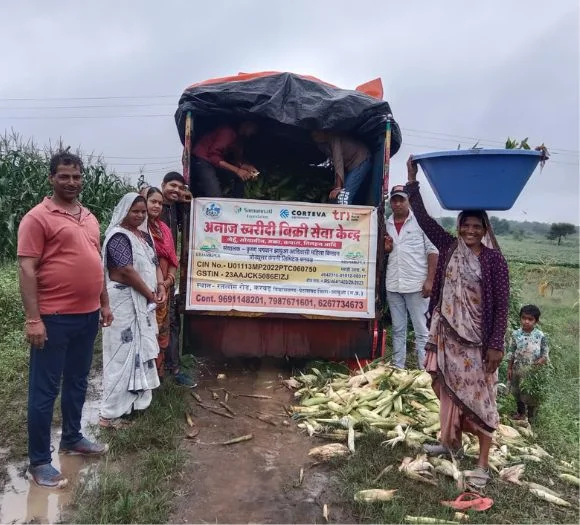
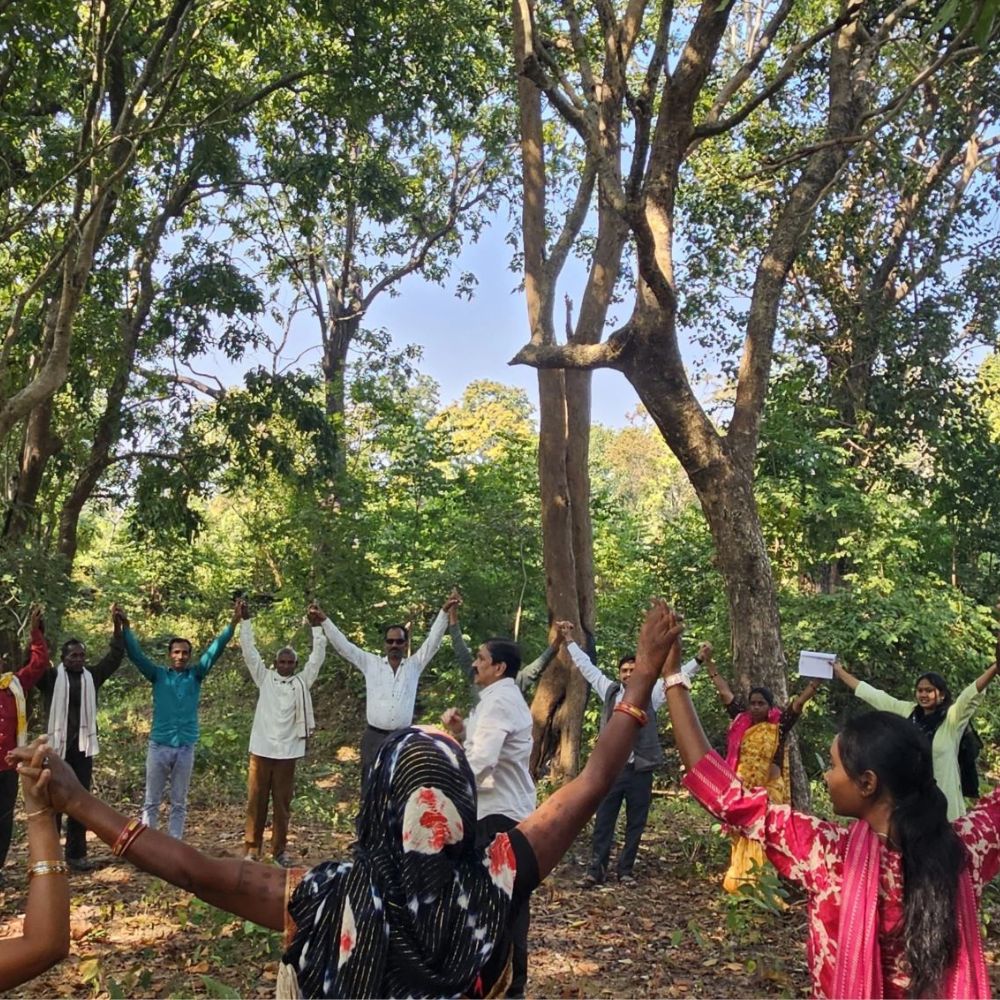
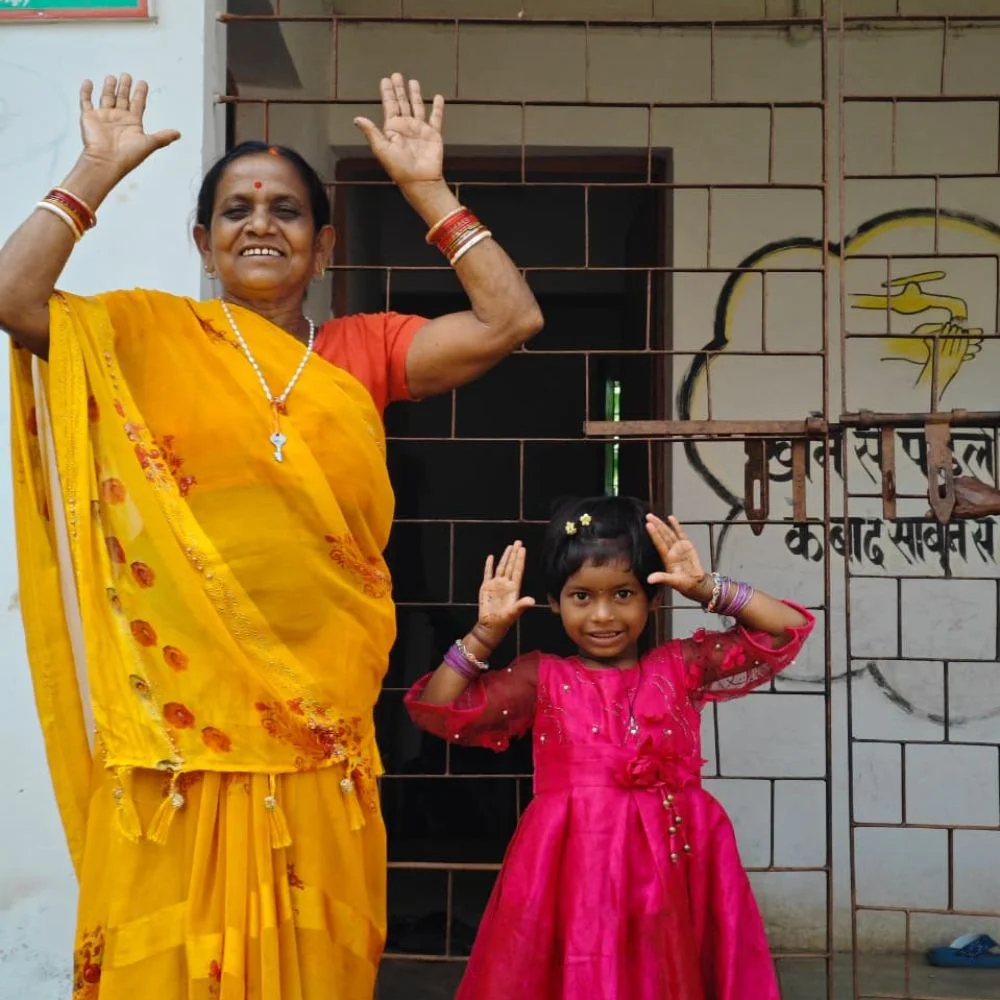
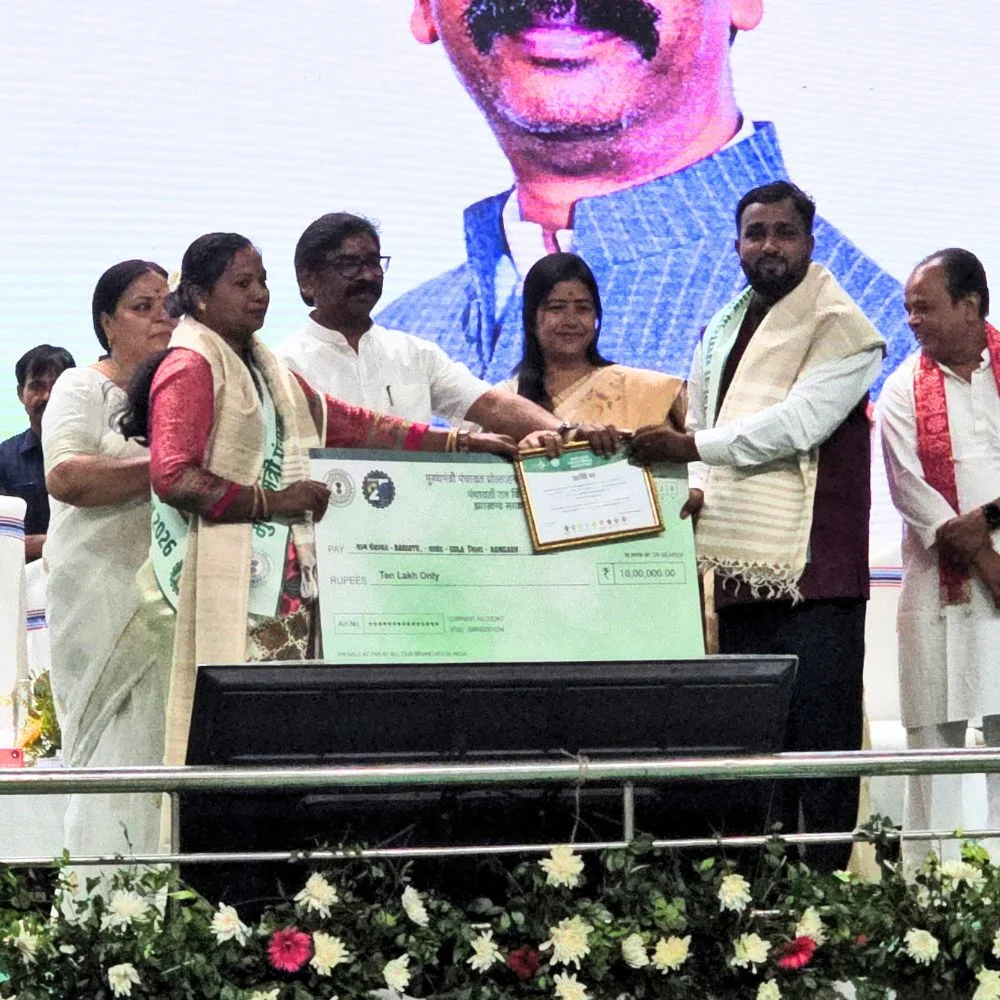
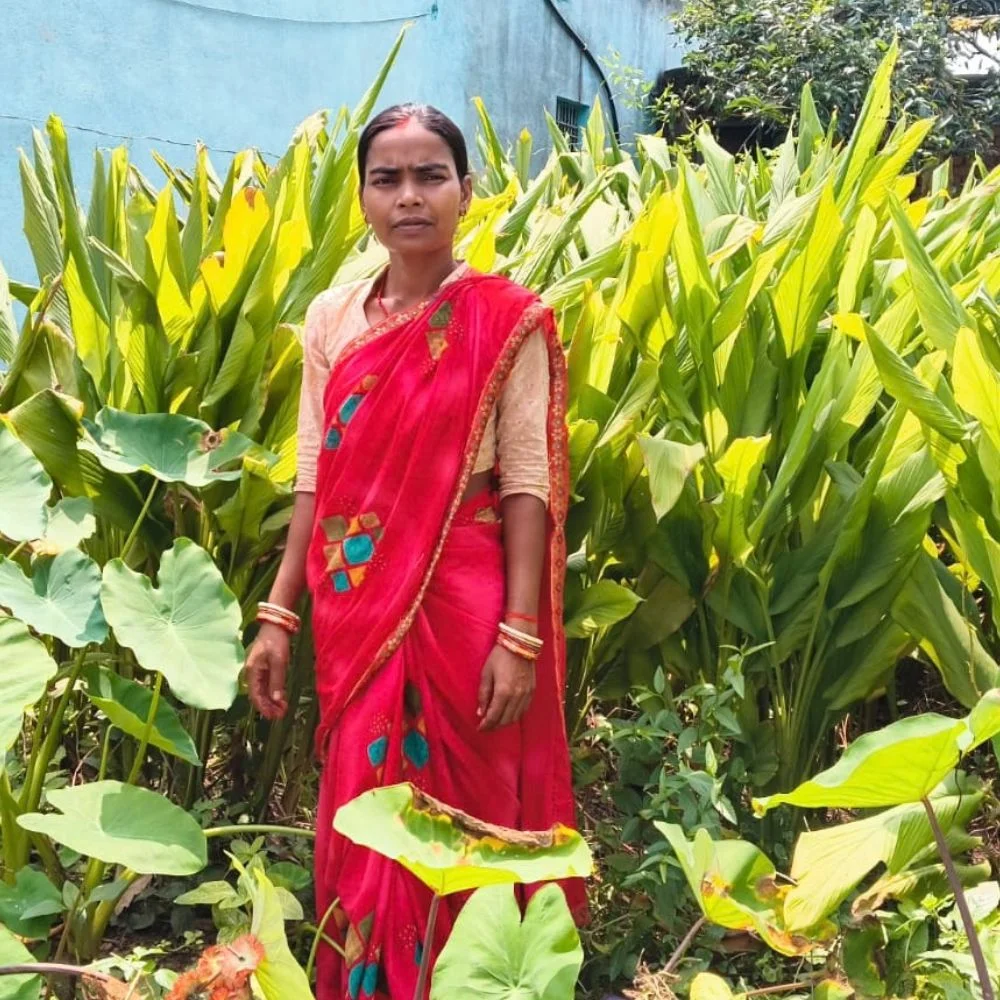
In development, we often celebrate what is visible – number of districts reached, entrepreneurs created or community members linked to job and livelihood opportunities. Yet some of the shifts remain unseen and quiet, they often create the deepest and most lasting impact. True success lies in recognising and unleashing these shifts, rather than chasing numbers that only look good on paper.
I was reminded of this early in 2025, when I attended a meeting of what was considered one of the strongest Cluster Level Federations (CLFs) in Uttar Pradesh. On paper, everything looked perfect. Full attendance, a repayment rate above 90 percent, and visible participation by women. Yet the room felt silent in an unusual way.
When I asked, “What do you want this CLF to become?” the silence deepened. Eyes dropped. A few women repeated familiar phrases. The system was functioning, but it wasn’t yet thinking or speaking for itself.
At Transform Rural India (TRI) we see moments like these not as failures, but as signals. They reveal where systems are efficient and where agency is still missing. As a team of rural development designers, we recognised that the challenge here was not one of intent or effort, it was structural. Participation had been reduced to attendance and become procedural. Meetings revolved around loans and compliance, turning transactional rather than serving as spaces for leadership or vision.
The CLF was no longer fulfilling its larger purpose as a platform for awareness, information, and aspiration. Awareness of rights—related to health, governance, and entitlements—remained limited. Aspirations stayed small, not because women lacked capability, but because the system had never invited them to imagine themselves as decision-makers.
This is a familiar tension in rural development, and it is precisely where TRI’s systems approach—what we often refer to as Thoughtful Tarakki—becomes critical. Our work rests on a simple but demanding belief: lasting change happens when communities move from participation to ownership. Our effort is to create enabling environments for large-scale, community-centred transformation.
With this lens, we were clear that solutions had to emerge from the community and be designed with them rather than for them. Our systems approach ensured that nothing was imposed. We began by engaging regularly with women and investing time in building trust. Gradually, we started seeing change. Women began articulating what they needed—sometimes through words, often through silences and small acts of courage. What emerged was not a single intervention, but an interconnected ecosystem of change built on the pillars of samaj, sarkar, and bazar. Women identified spaces like the Mahila Shakti Kendra (a Government of India scheme) as key platforms for accessing rights and services.
Collectively, the women went on to establish Jeevanshala—the Women’s Learning Centre. They envisioned it as a space where women could learn to read documents, understand schemes, discuss rights, and speak without interruption.
Through TRI’s visioning exercises and continuous training sessions, we began to see women stepping into leadership roles as Change Vectors. With health emerging as a shared priority, many chose to become Health Change Vectors, receiving TRI’s training in basic health, sanitation, and pre- and post-natal care. Awareness stopped being external advice and became peer knowledge. Trust deepened, and health conversations entered households that had never hosted them before.
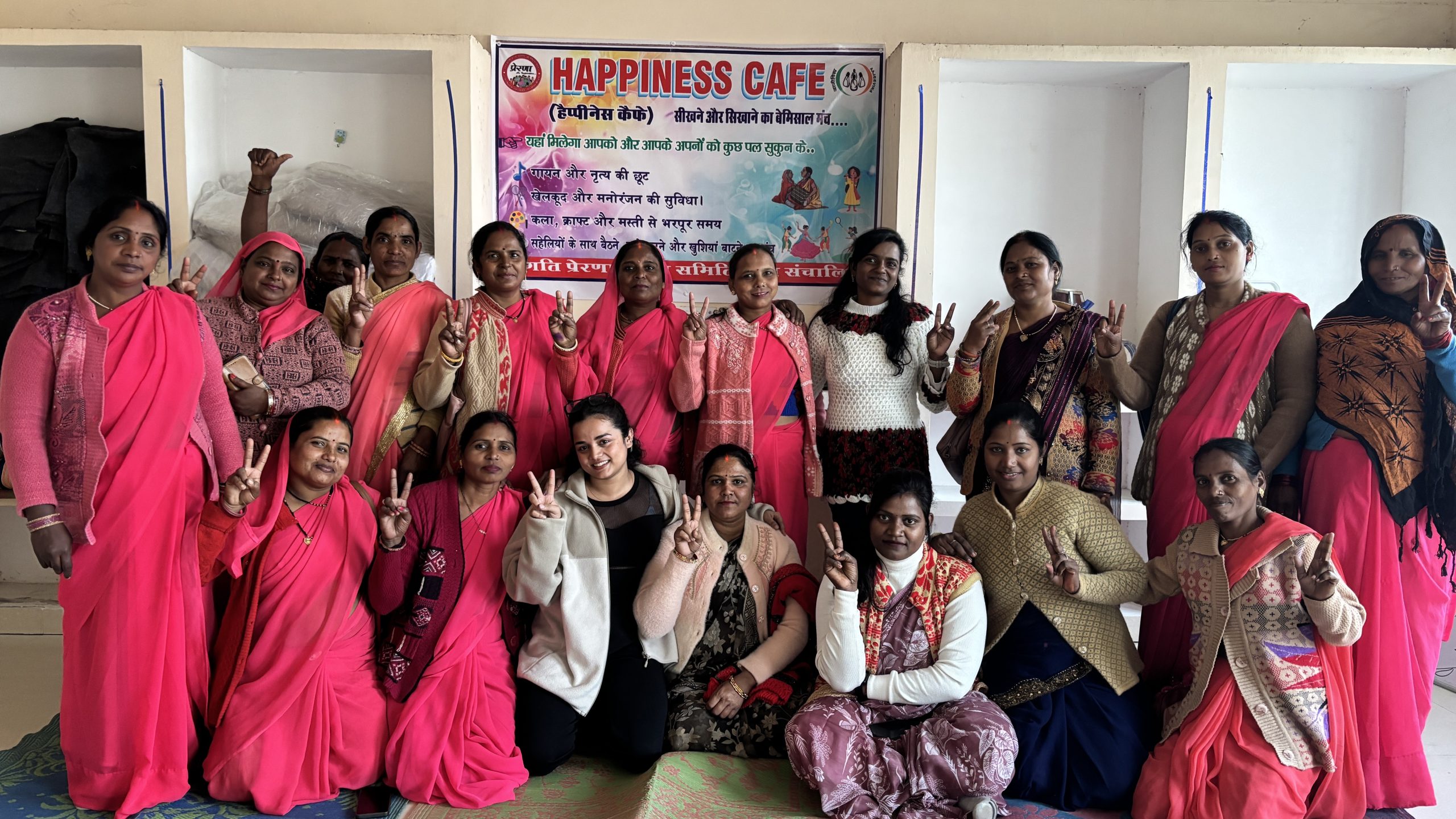
As their basic needs began to be addressed, women also started reflecting on their individual aspirations and happiness. Together, they co-created a space called the Happiness Café—a space for joy, rest, and free will. For many rural women, leisure is often seen as an indulgence. The Happiness Café challenged that belief. It offered tea, laughter, music, conversations on mental health, and permission to pause. I watched women say, “This time is mine,” without guilt. Joy, we learned, is a powerful tool for resilience.
Finally, Executive Committee members of the CLF began questioning, challenging, and actively engaging across governance platforms.
CLF meetings are no longer a chorus; they are conversations. Women attend not merely to access financial support, but with a sense of purpose. For a team that has worked alongside them for over a year, the shift from beneficiaries to owners is no longer abstract—it is clearly visible.
This year reaffirmed a truth we return to often at TRI: empowerment is not an outcome; it is a process. Our vision is a rural India where everyone has an equal opportunity to thrive. By putting communities first and deploying innovation across public and private systems, we work to build flourishing localities. We believe in the Thoughtful Tarakki approach rooted in systems thinking, that enables communities to become resilient, self-directed, and sustainable.
As we move into 2026, the task is to deepen this shift—from participation to leadership, from access to authorship. Each time I walk into a CLF meeting now and see hands rise before a question is even finished, I am reminded that the most powerful transformations do not announce themselves. They take shape quietly, when people realise they no longer need permission to speak and begin shaping the systems around them.