“I just want to serve my people. Please support me.”
Jageshwar Pradhan, the Mukhiya of Khinda Panchayat of Jharkhand, said this to me early in our engagement. There was no performance in his words—only honesty. At that moment, I was reminded that rural development is rarely about perfect plans or polished language. It is about intent, trust and the willingness to act collectively.
As I look back at 2025, this sentence stays with me because it captures the nature of the year. Change did not arrive loudly. It unfolded quietly, in conversations that challenged assumptions, in relationships built slowly, and in moments that required unlearning as much as learning.
The year was shaped by lived experiences—professionally and emotionally. There were days of deep hope, when communities surprised me with their resilience, and days of quiet exhaustion, when systems felt heavy and resistant. Yet working closely with women and young people—listening to their struggles and aspirations—reaffirmed why this work matters. What guided me was the belief system of Transform Rural India (TRI), which is rooted in the thoughts that lasting change begins when we stay close to lived realities.
Some of the most defining moments came from difficult conversations with local leaders. With Jageshwar Pradhan, trust grew through shared intent and consistent engagement. Over the year, I saw him step more confidently into governance spaces—engaging in Gram Panchayat Coordination Committee (GPCC), processes, leading Yuva Sabhas, and thinking beyond his Panchayat. He began bringing line departments and NGOs onto a shared platform, practising convergence not as coordination, but as collective problem-solving. This is how systems begin to shift—not through policy alone, but through people who believe collaboration is possible.
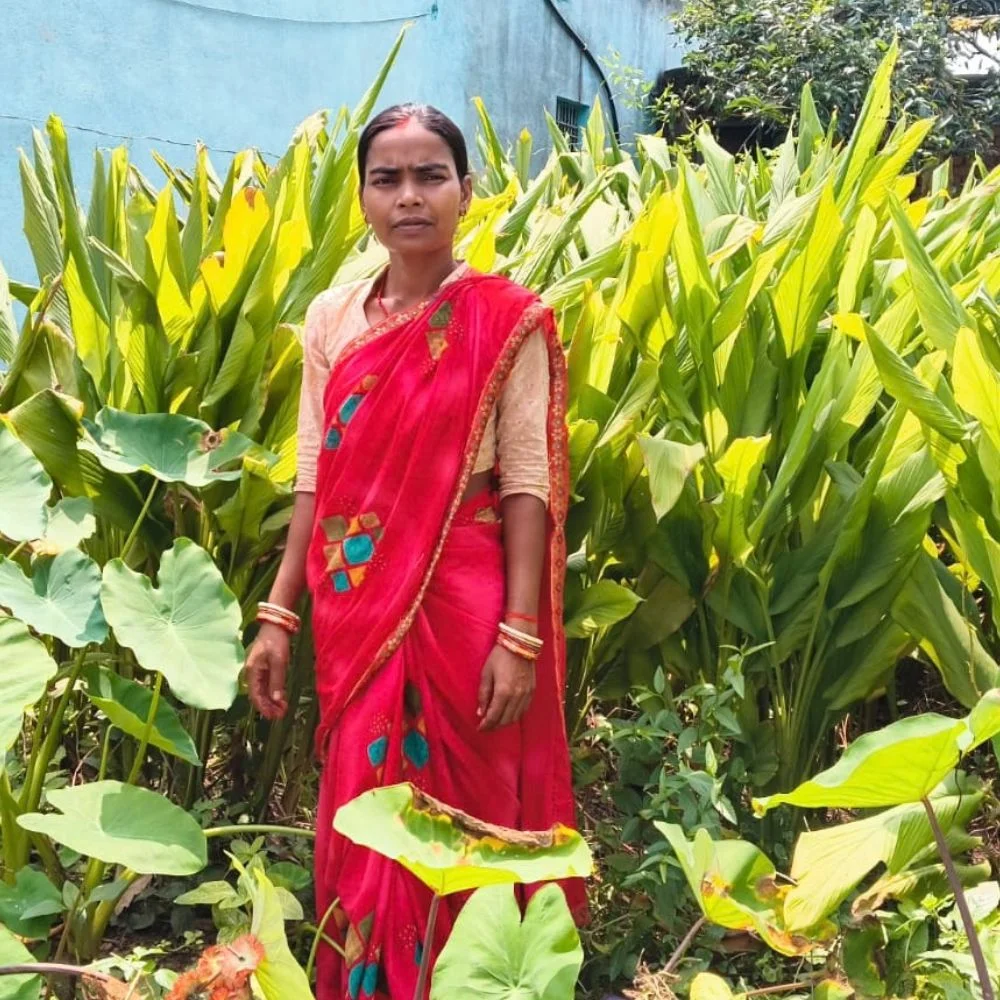
A similar shift is visible in Gariyajor Panchayat under the leadership of the village head Pratiba Kujur. Her work spans health, sanitation, and education, even as she navigates persistent constraints such as delayed road construction. Despite these challenges, she stood firmly with education initiatives and youth engagement. She shared that the Yuva Sabha was the first space created exclusively for young people—one where they were listened to, their aspirations acknowledged, and their potential recognised. Her commitment to incorporating youth priorities into the GPDP marked a quiet but significant shift: youth being seen not as beneficiaries, but as stakeholders in governance.
What changed this year was not only programmes, but perspectives. Local leaders began engaging with root causes rather than surface-level symptoms. Young people found spaces to articulate aspirations rather than wait for schemes. Panchayats started viewing convergence not as an option, but as a necessity. Most importantly, trust between institutions and communities deepened.
As rural development designers at TRI this year reinforced a lesson we return to often: solutions are strongest when they are co-created, tested, adapted, and shaped by communities themselves. Our role is not to accelerate change artificially, but to create enabling environments where agency can take root and systems can respond. This is the essence of Thoughtful Tarakki—designing for transformation that is resilient, contextual, and owned by the people it serves.
Looking ahead to 2026, I hope these quiet shifts deepen—stronger youth collectives, more confident Panchayats, and systems that respond faster and fairer. But more than outcomes, I hope we continue to hold space for uncertainty, emotion, and learning. Because real rural transformation is not only structural; it is profoundly human.
And each time I hear someone say, “I just want to serve my people,” I am reminded that systems change does not begin with scale. It begins with trust—and with people who are willing to step forward, even without a script.