The moment did not feel extraordinary at first. A group of women sat around a table at Transform Rural India’s (TRI) Petlawad office in Madhya Pradesh, discussing block-level coordination meetings they had recently attended. But as the conversation unfolded, something became clear—these were no longer stories of representation, but of participation with power. The women spoke about questioning service delivery gaps, flagging governance bottlenecks, and raising concerns around gender-based violence and scheme access. The confidence in their voice showed that they are here not just to speak but to act.
This scene is not common in rural India. What is far more familiar is the opposite—women sarpanchs being overshadowed by sarpanch patis, limited participation of women in decision-making at the family, community, or village level, and even their votes often being decided by men in their households. So, changes such as women convening meetings, stepping into leadership roles, and demanding what is rightfully theirs signal a deeper transformation in how power, voice, and accountability are being reconfigured at the local level.
As we step into 2026, I believe these shifts not only defined our work in 2025 but will also serve as our stepping stones for the year ahead. They capture why the work of organisations like TRI matters in rural India. As a team of development designers committed to transforming 100,000 languishing localities into flourishing communities, our resolve and sense of purpose have only deepened over the past year.
We have also learned that development is not shaped by quick wins or isolated interventions, but by local innovation, strategic partnerships, and a growing belief in communities as co-designers of their own development.
Throughout 2025, alongside our partners across government and the private sector, we had the privilege of working with diverse communities through our three core practices – Community Action Lab, Public Policy in Action, and Bending Markets for Flourishing Localities.
At TRI, we recognise that inequity is shaped by multiple, overlapping factors. Meaningful rural development, therefore, cannot be approached through a single lens or sector. This is precisely what our Thoughtful Tarakki approach seeks to address. Rather than working within isolated themes, we bring together teams of specialists who anchor seven key areas critical to rural transformation: climate action; gender and inclusion; employment and entrepreneurship; farm prosperity; primary education; health and nutrition; and local governance. Through this work, we aim to create multidimensional change rooted in local contexts, while actively engaging both public and private ecosystems.
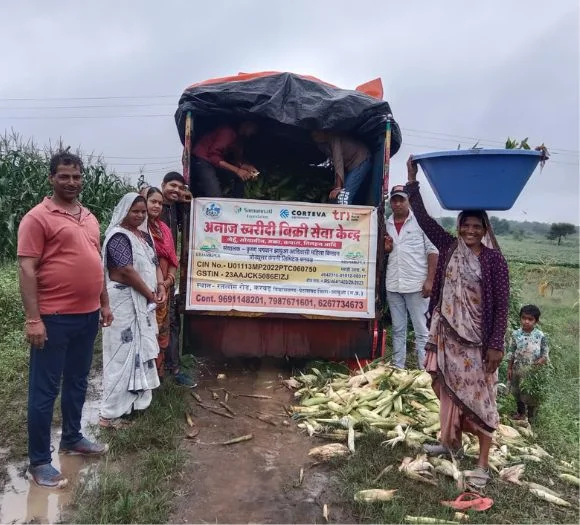
Madhya Pradesh, as a region, demonstrated strong and encouraging results. Throughout the year, in collaboration with the Ministry of Rural Development and the Ministry of Panchayati Raj at both the central and state levels, our team experimented with a range of community-led innovations. Gram Panchayat help desks were set up to facilitate scheme access through a saturation approach. Panchayat-level safety audits were conducted to identify and respond to gender-based violence and related vulnerabilities. Climate action initiatives were piloted in the Bijadandi and Rajpur blocks. Across these efforts, community engagement moved beyond consultation towards genuine co-creation of solutions.
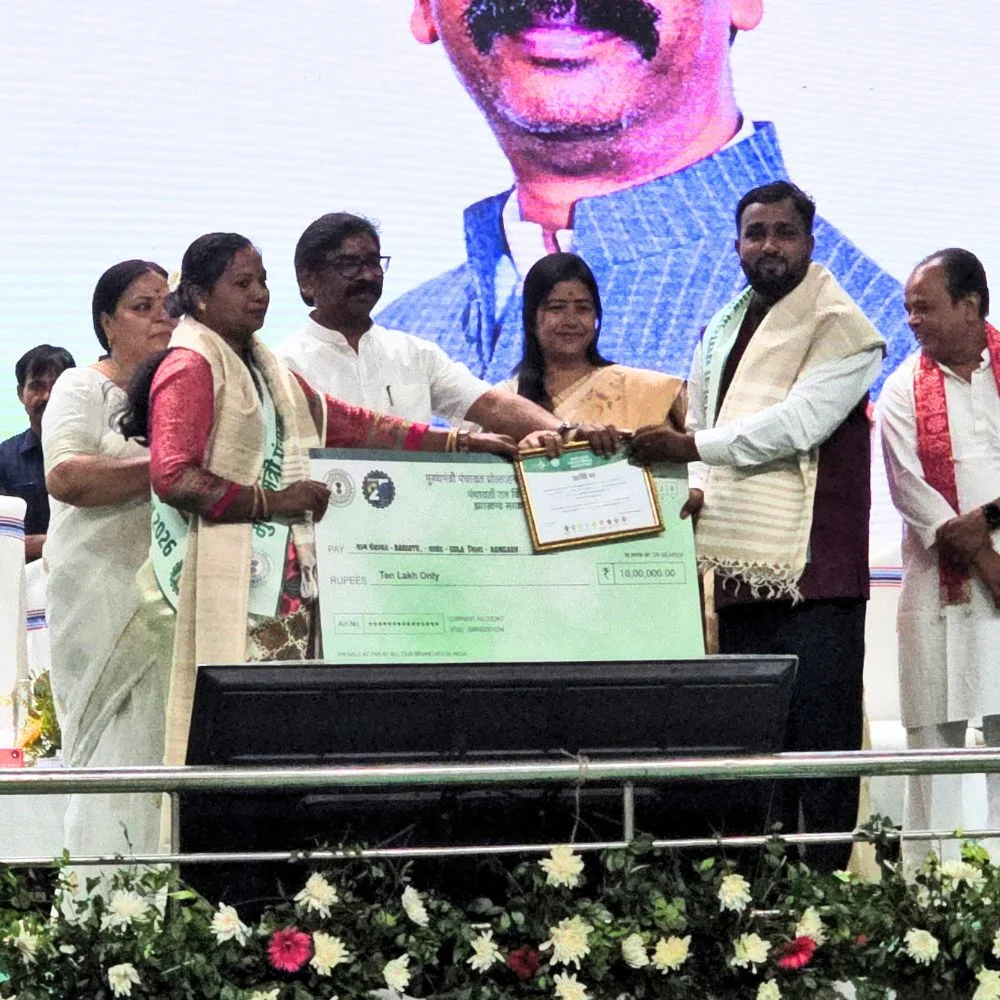
A common thread ran through this work: a sustained focus on women’s rights, economic and social empowerment, and the pursuit of dignified livelihoods. This emphasis was not limited to ideas; it began to translate into practice. In Gram Panchayat Development Plans (GPDPs), women’s priorities increasingly found formal expression. Panchayats across geographies started positioning themselves not merely as implementing bodies, but as leaders—designing, convening, and anchoring multi-stakeholder action.
We also ensured that our on-ground experiments were strengthened through academic research, enabling insights that can inform other institutions and practitioners in the field. An action research initiative on strengthening the agency of elected women representatives—undertaken in collaboration with Stanford University, the Institute of Financial Management and Research, Inclusion Economics India Centre, and IIT Gandhinagar, reinforced what we were observing on the ground. The findings were clear: enhanced agency translated directly into improved governance outcomes. Women leaders demonstrated greater confidence and legitimacy in challenging entrenched norms, contributing to meaningful shifts in practices related to early marriage and gender-based violence.
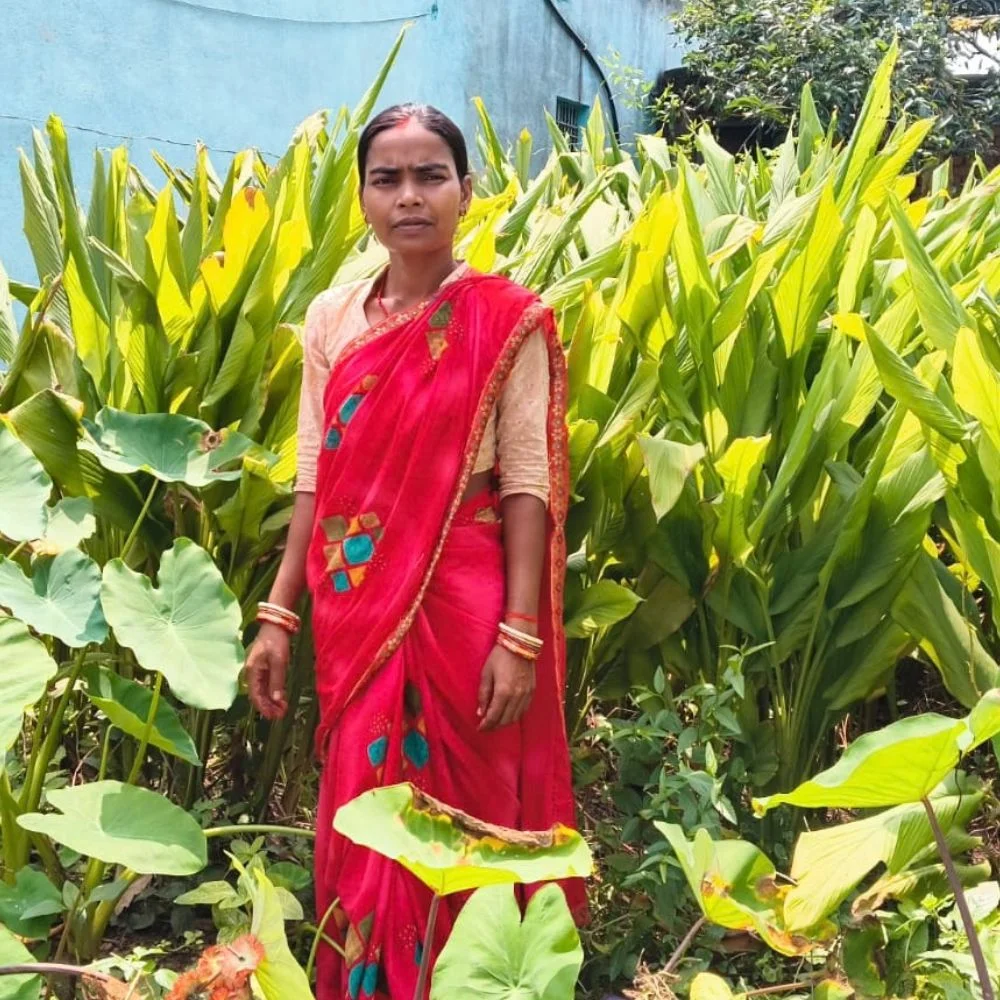
One such example is Reshma Ninama, Sarpanch of Asaliya village in Madhya Pradesh, who has helped make Asaliya a gender-sensitive Panchayat. Giving new meaning to the idea of “3D” by working to curb the scourge of three Ds: domestic violence (by restricting access to liquor that enables it), dowry practices, and loud DJ music that adversely affects the health of pregnant women.
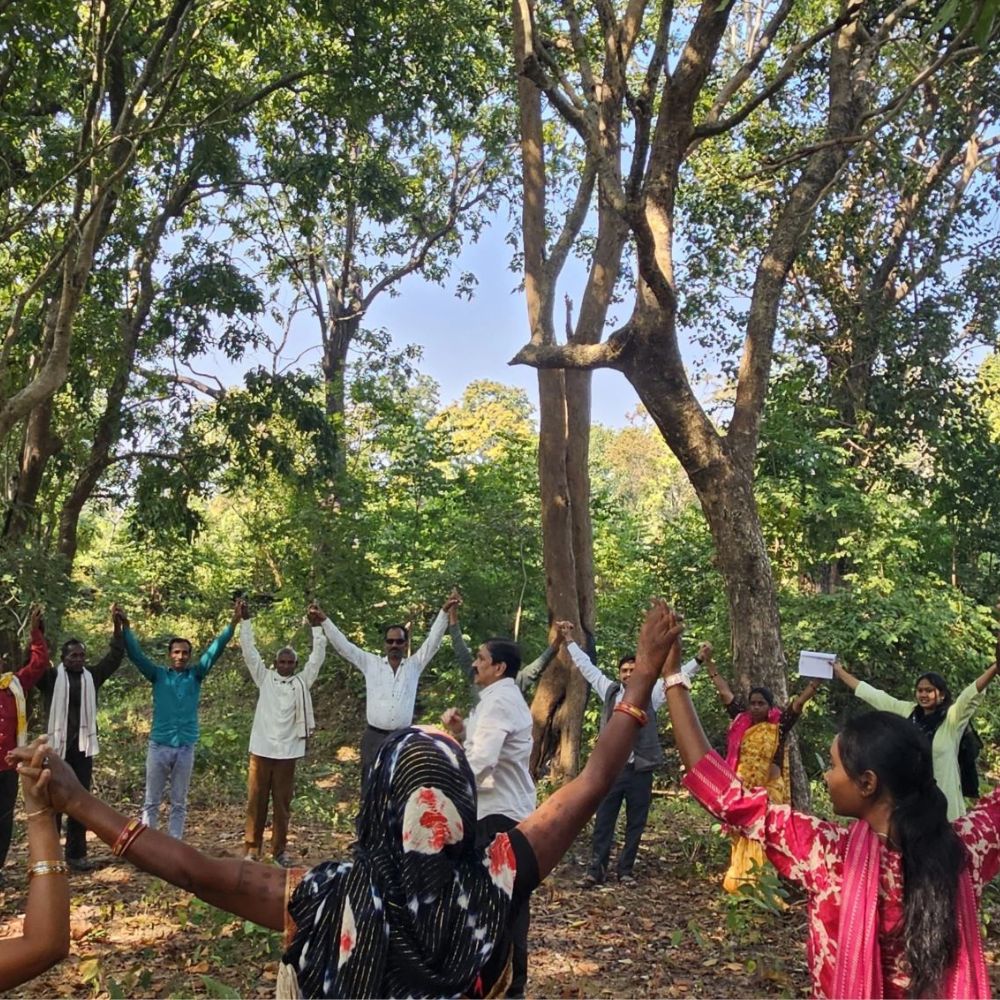
At the community level, Panchayati Raj Institutions, community-based organisations, and local administrations worked in concert to respond to people’s aspirations. At the same time, TRI’s nudge cell engaged closely with the state and district administrations—shaping policy guidelines, informing training and capacity-building frameworks, and facilitating structured citizen–government interfaces. Consultations on Provisions of the Panchayats (Extension to the Scheduled Areas) Act, Natural Resource Management, and the Provisions of the Panchayats (Extension to the Scheduled Areas) Act created spaces for dialogue across civil society and government, with the expectation that these conversations will translate into policy and practice.
Encouraging signals emerged through responsive government counterparts, partnerships with organisations such as SafetiPin, Anvaya, Water Resources Institute, and APF, and a growing sense of community ownership. At the same time, the year underscored the need to plan proactively for emerging challenges—particularly around climate action, gender equity, local governance, and the complexities of scale.
TRI’s new Theory of Change articulates clear strategic pathways for the future. Realising them will require deeper partnerships and sustained investment in local institutions such as Panchayats and CLFs—not just as delivery mechanisms, but as enduring anchors of development.
As 2025 closes and a new year begins, one lesson stands out clearly: meaningful scale will not come from replication alone. It will emerge through shared ownership, strong local institutions, and locally grounded development blueprints—co-created with communities and administrations—that allow systems to respond, adapt and endure.