In water-stressed regions, the success of large government programmes often hinges not just on policy design or financial allocation, but on what unfolds at the village level. In eastern Uttar Pradesh, recurring water scarcity, fragmented landholdings, and complex documentation processes have long shaped how farmers engage with public schemes. The experience from Arajiline block in Varanasi offers a clear example of how last-mile facilitation and trust-building can determine whether planned entitlements actually translate into real benefits for rural households. In the Arajiline, the Department of Land Resources, Government of Uttar Pradesh selected 74 villages facing acute water scarcity under the Watershed Development Component of Pradhan Mantri Krishi Sinchayee Yojana 2.0 (PMKSY 2.0). The initiative was designed to address water scarcity and land degradation, strengthen climate resilience, and improve rural livelihoods through integrated watershed management.
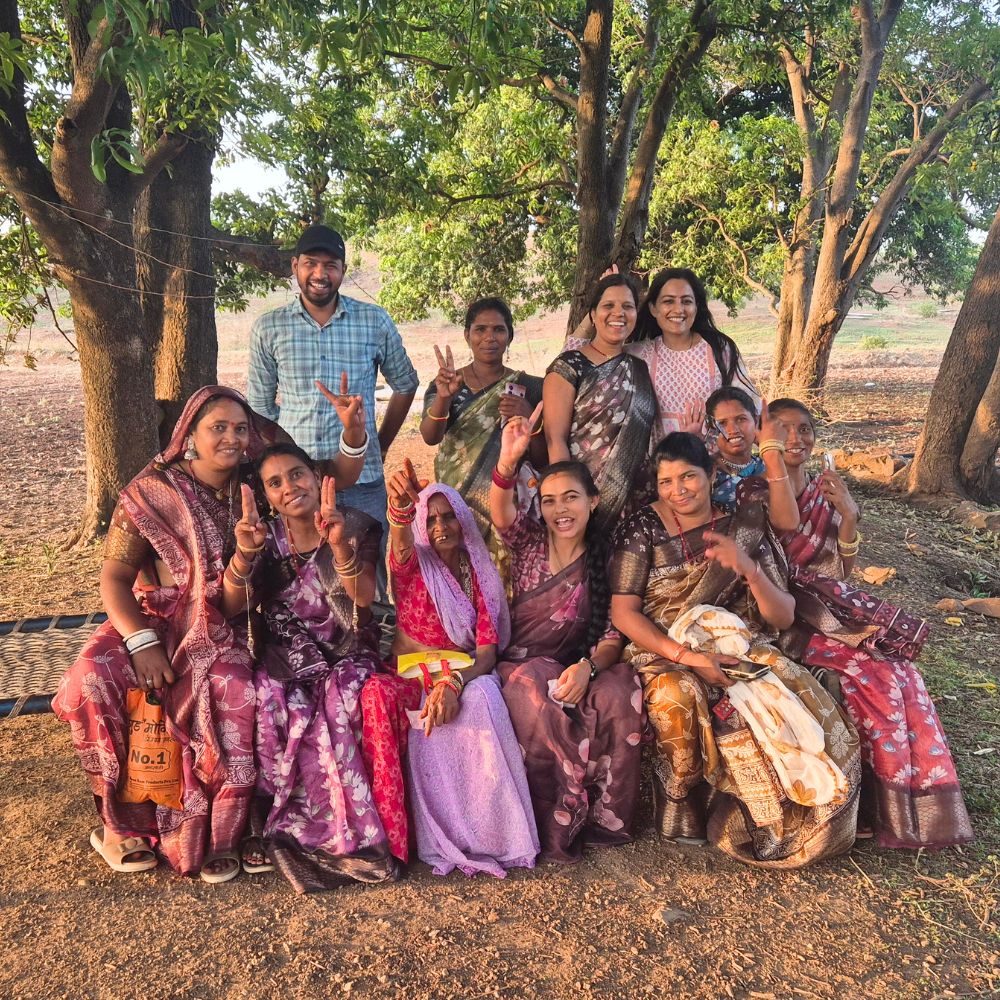
At its core, the project aimed to improve the productive potential of rainfed and degraded land, strengthen community-based local institutions for livelihood promotion and watershed sustainability, and improve the efficiency of watershed projects through cross-learning and incentive mechanisms. It was intended to support small and marginal farmers living in degraded land areas and strengthen communities dependent on agriculture for income and food security. It also aimed to empower Self-Help Group women members by enabling their active participation and leadership in agriculture-based livelihoods.
From 15 June 2025 to 31 March 2026, multiple components will be rolled out across the selected villages. These include crop demonstrations, vegetable production, organic farming through NADEP, soil health cards, improvement of existing horticulture, new horticulture, floriculture and value addition, floriculture, dairy-based farming, livestock-based farming systems, apiculture, fisheries-based farming systems, installation of individual sprinklers and HDPE pipes, and distribution of agricultural equipment.
A total target of 865 beneficiaries was set, with a budget allocation of ₹86.59 lakh. So far, 134 targets have been completed and ₹25.74 lakh has been utilised. Yet, as implementation moved forward, a major gap became visible at the field level. Many beneficiaries were hesitant to submit their khatauni (land records). This hesitation directly affected access to scheme benefits. Even when components were available, the process could not move forward for families who did not submit documents. As a result, benefits remained out of reach for several households and the allocated funds remained underutilised.
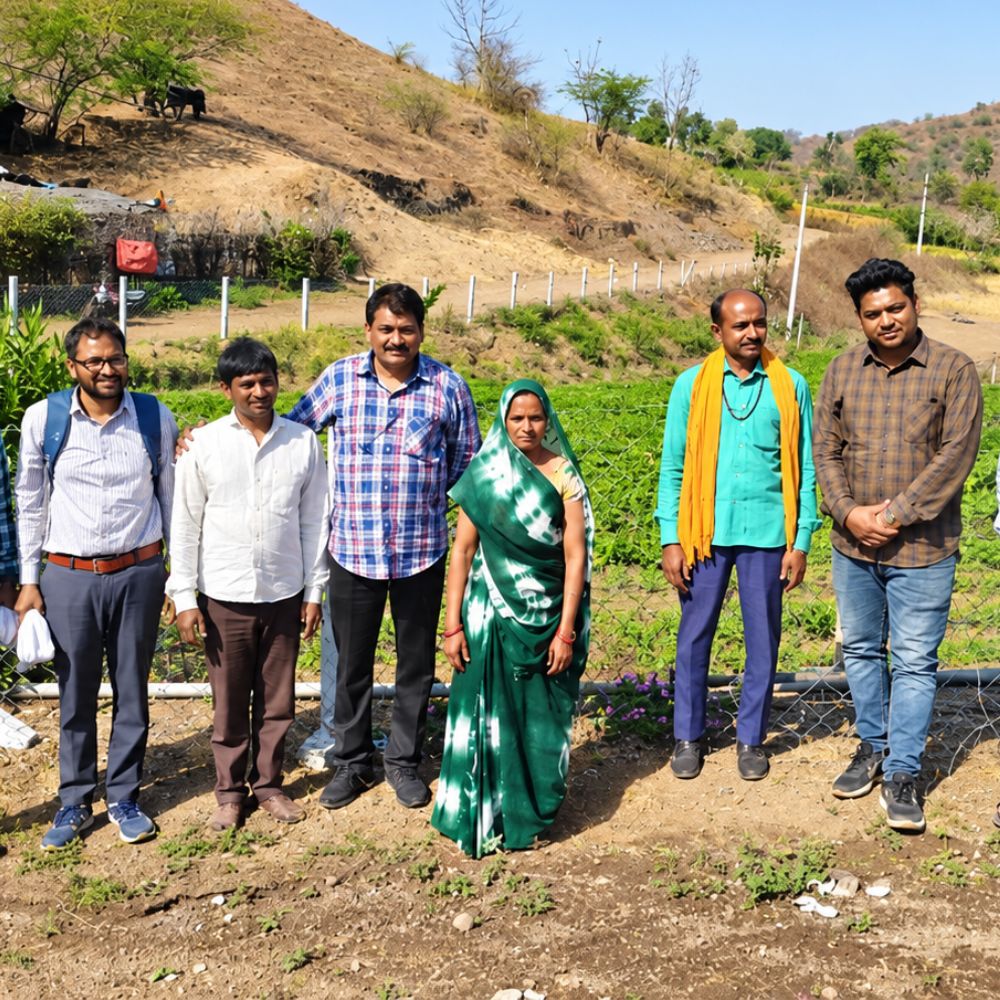
This was the point where Transform Rural India (TRI) played a bridging role. TRI worked with beneficiaries by explaining the entire process, engaging consistently in the field, building trust, and motivating beneficiaries to submit their documents. This last-mile facilitation helped beneficiaries complete the required documentation and successfully access scheme support.
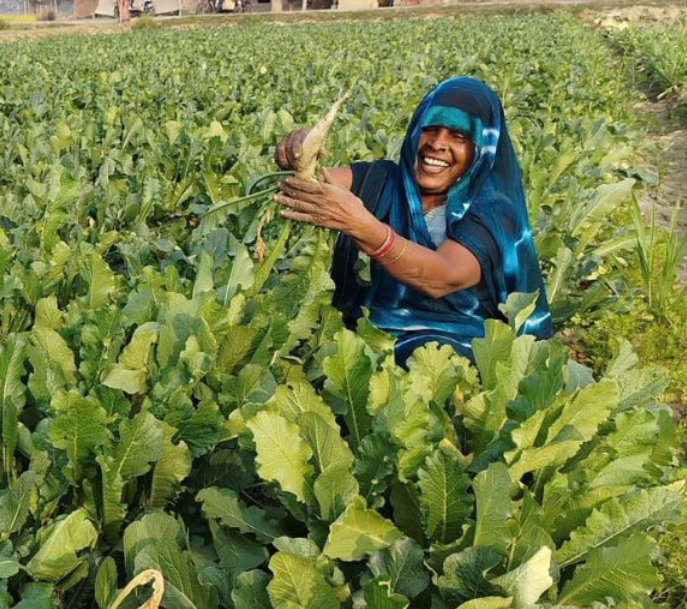
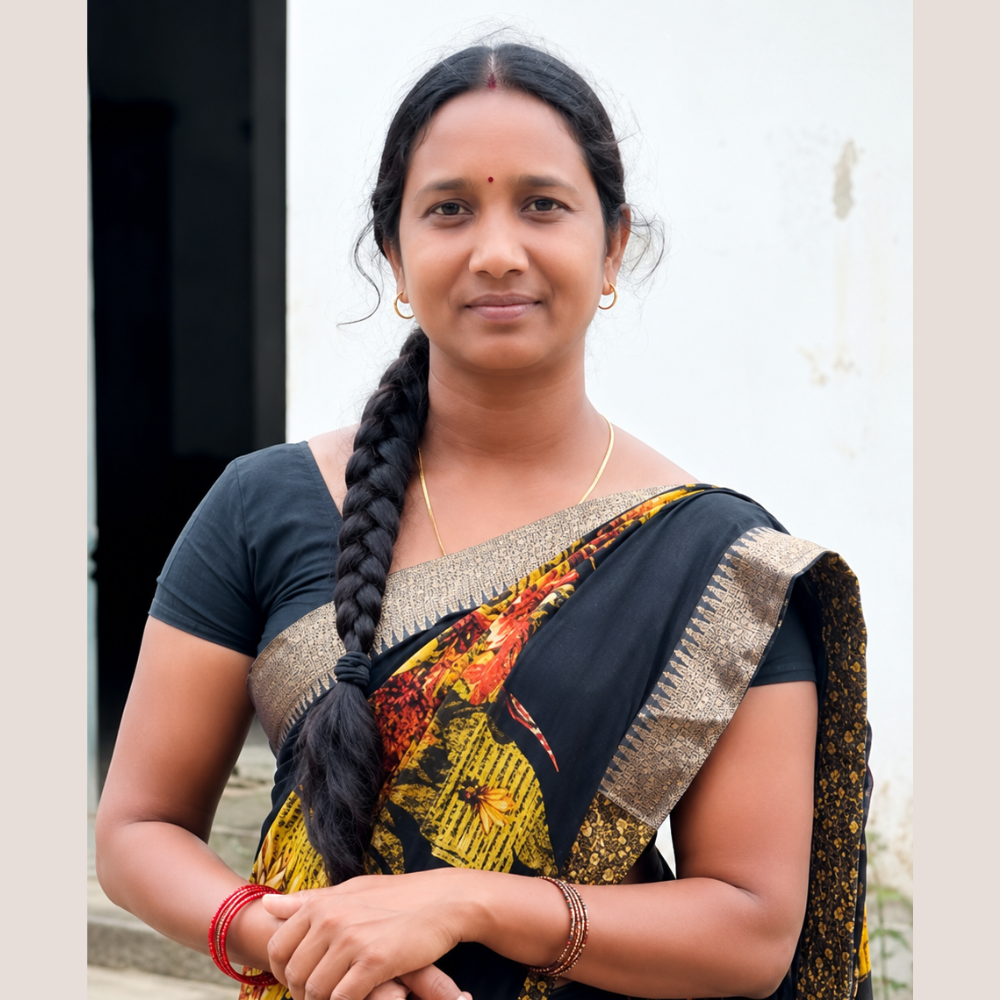
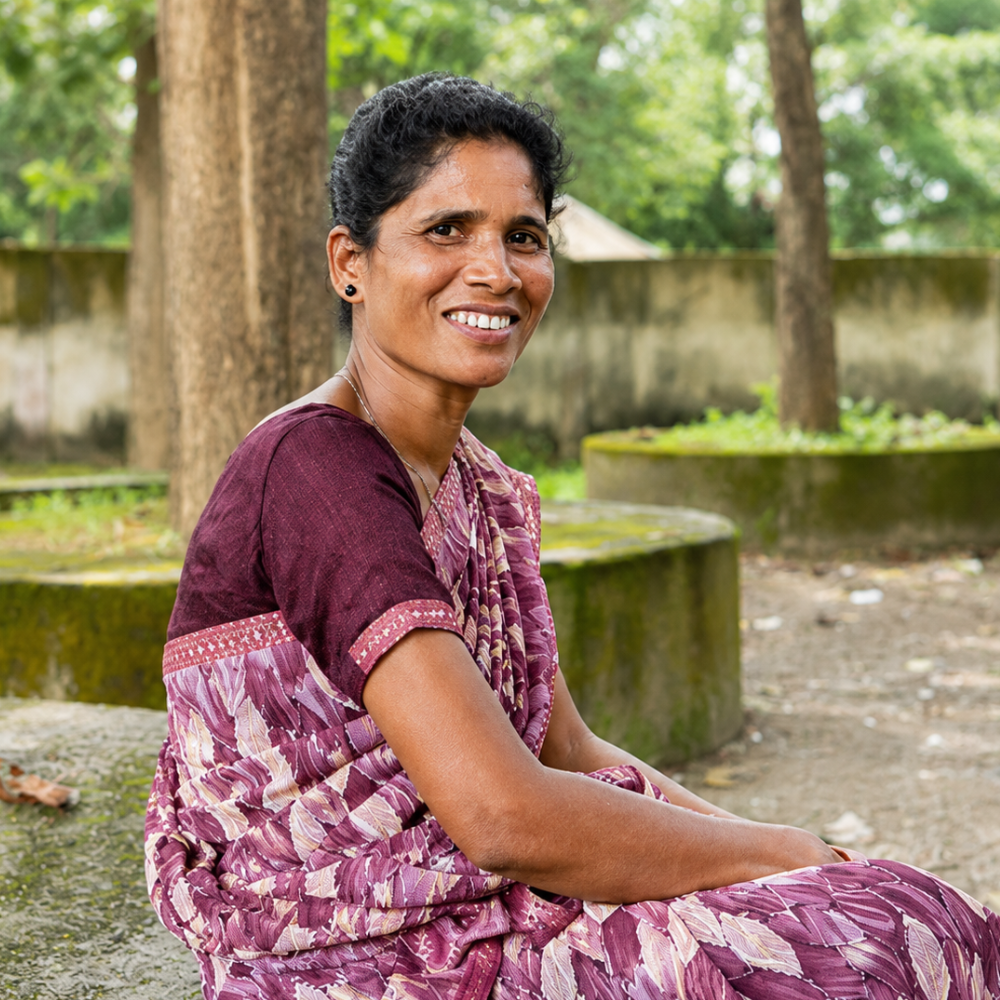
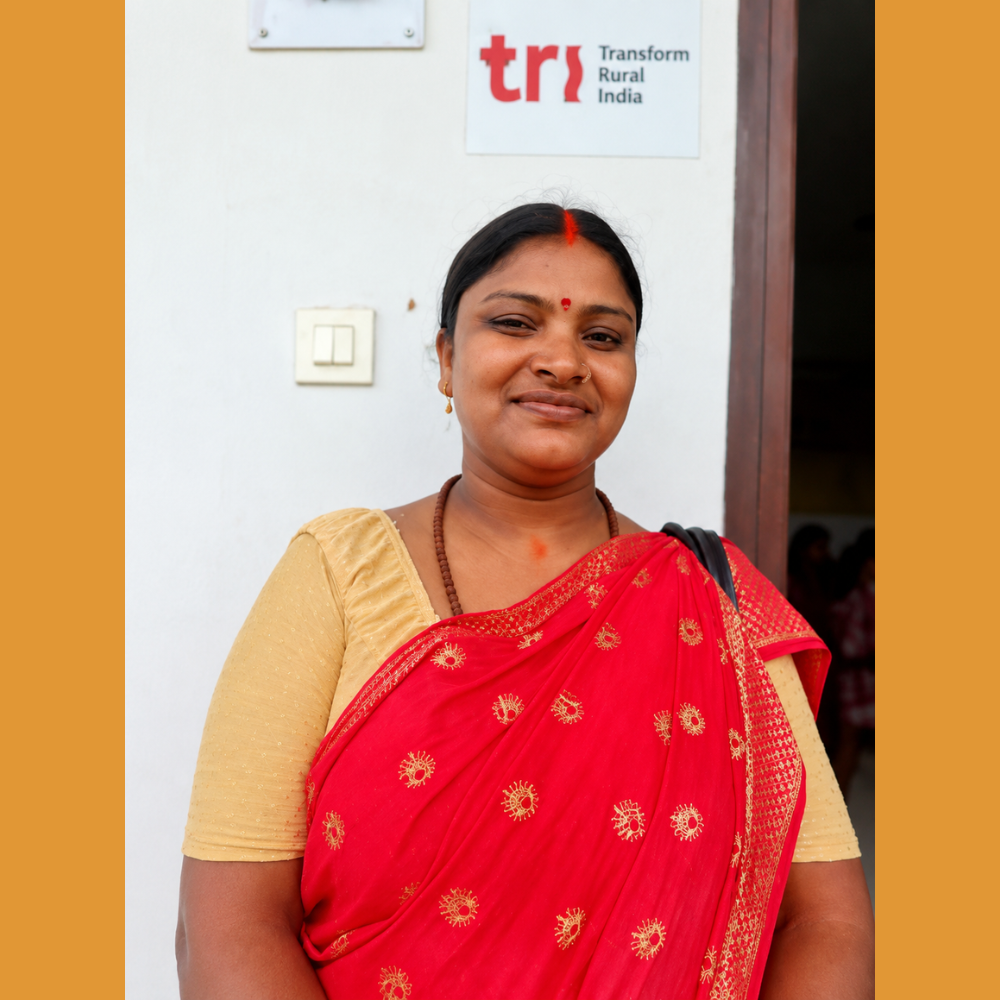
A key achievement from this engagement was seen under the new horticulture component. Ten beneficiaries completed documentation and received scheme benefits. This included beneficiaries such as Shashikala Devi (wife of Mahendra Kumar) from Kallipur and Phulpati (wife of Rajendra Prasad) from Kallipur Panchayat.
The initiative involved the Uttar Pradesh State Rural Livelihood Mission (UPSRLM). The experience from Arajiline highlights how implementation depends not only on scheme design, components, and budgets, but also on whether communities can navigate documentation requirements with confidence. In this case, sustained field engagement helped convert planned entitlements into accessed benefits, and moved stalled implementation forward.