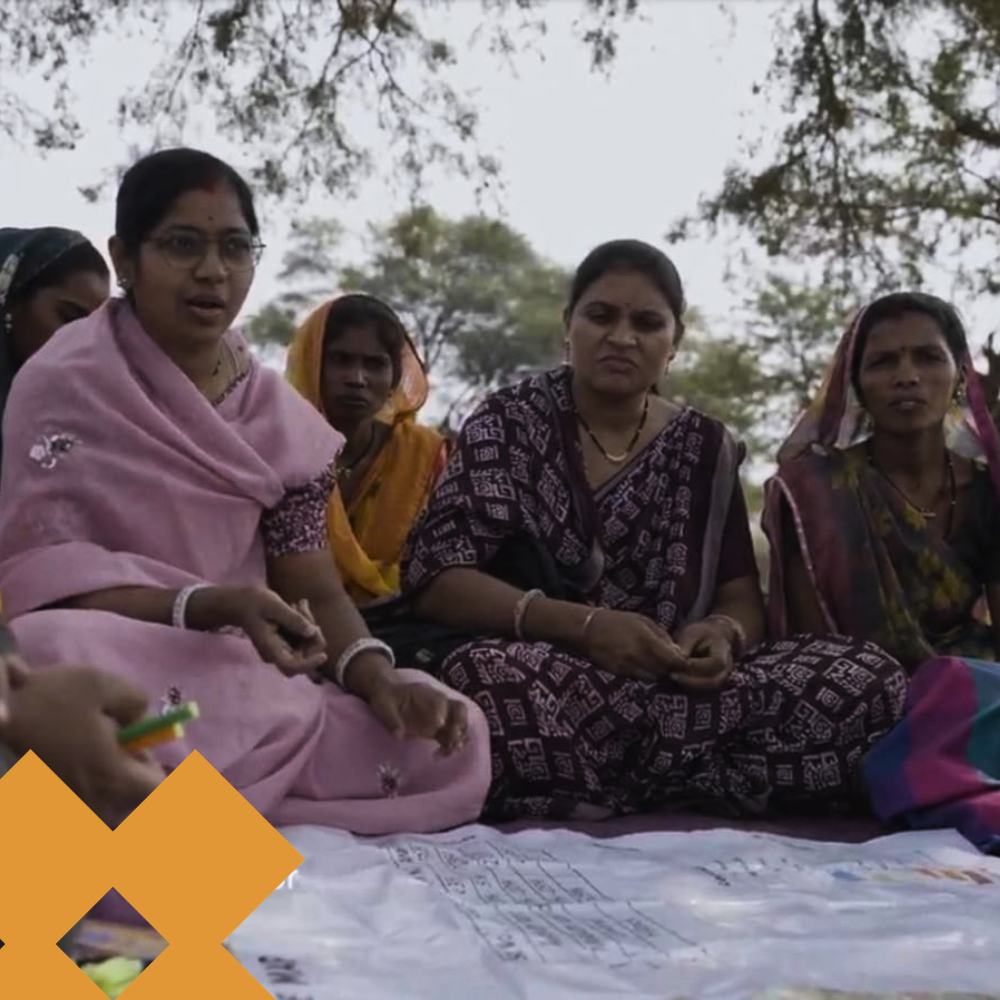
On a sweltering afternoon, a group of women are doing something that would have been unthinkable a few years ago in Badgaon Charbatha, a village in Chhattisgarh.
They are not walking to fetch water. They are planning where it should go.
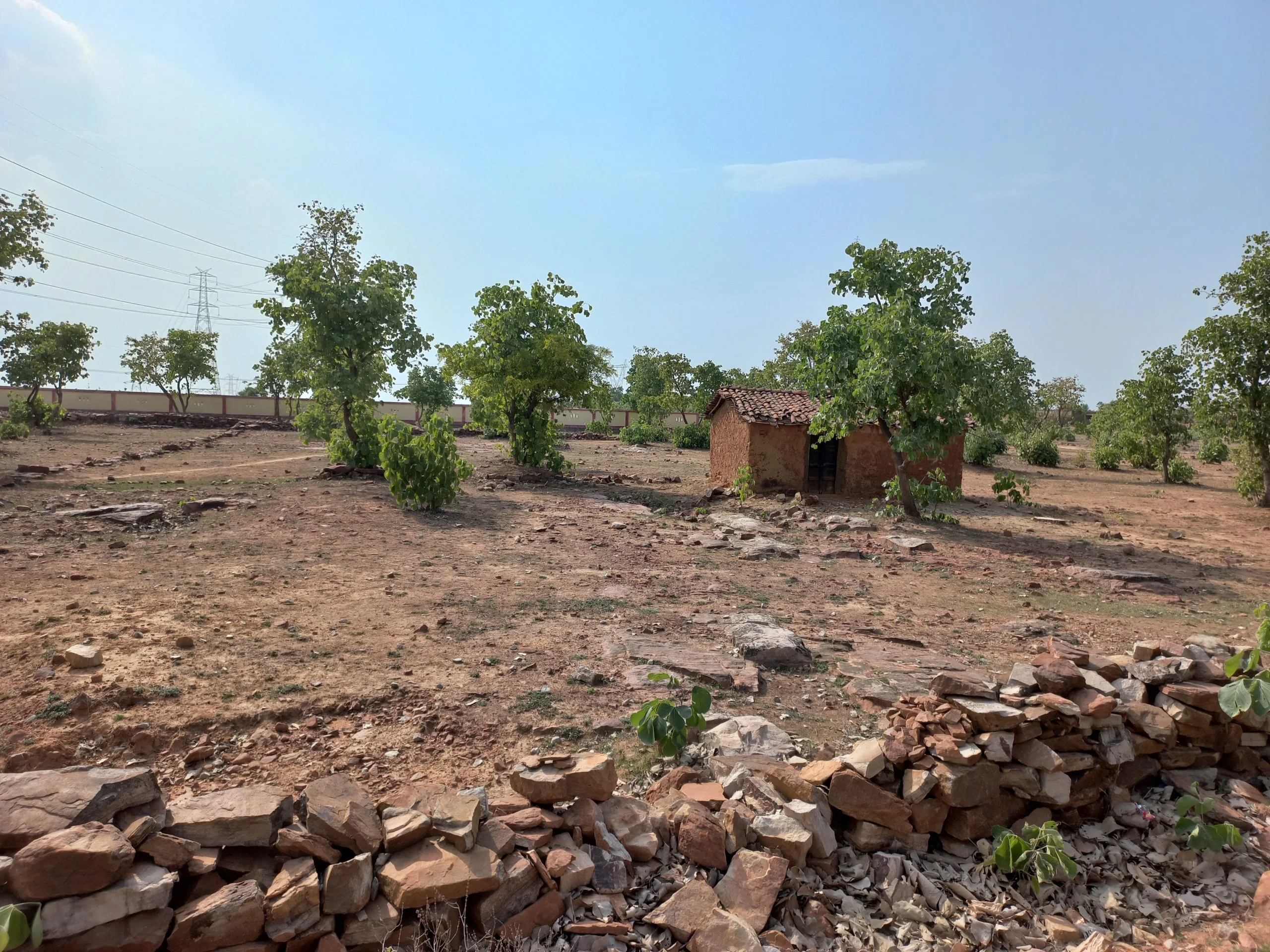
Until recently, the women of Badgaon spent up to three hours a day sourcing water, walking nearly 10 kilometres to distant rivers, or waiting for private tanker trucks, managing the arithmetic of survival that comes with living in a water-stressed region.
“अब हमें समझ में आया कि पानी को रोकना भी विकास है। जब योजना गाँव ने बनाई, तो काम भी पूरे मन से हुआ।”
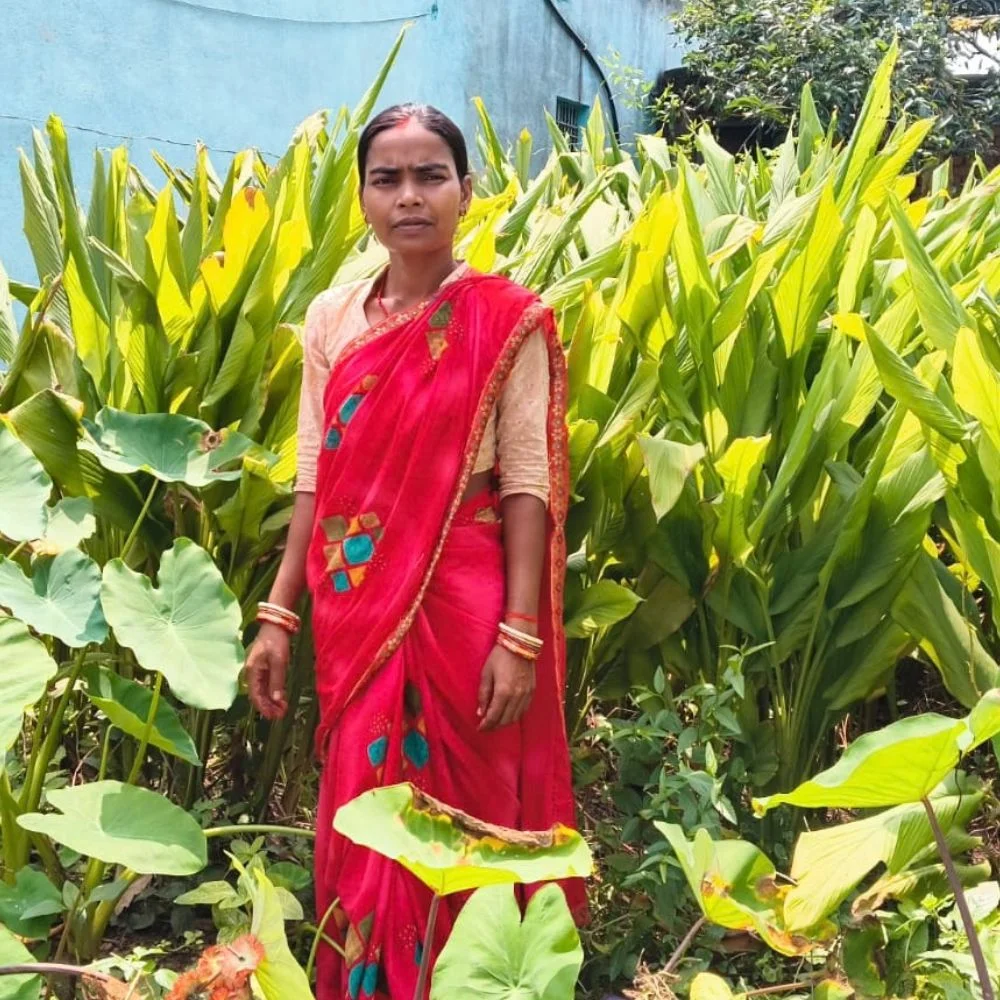
(Now we understand that conserving water is also development. When the village made the plan, the work was done with full ownership.) said Amroutin Halba, member of a Self-Help Group (SHG) in Badgaon.
In early 2024, they accepted that the water crisis was more than just an issue of availability and access. Shifting rainfall patterns, rising temperatures and more frequent extreme weather had been quietly reshaping their lives for years. Hours were spent each day managing this reality, often at the cost of health, safety, education, and income opportunities.
But they had also always understood water in ways that no outsider could. They knew which sources dried up first, which land held moisture the longest, which months were the most precarious. This knowledge, intimate and hyperlocal, built over generations, was never written down, never formally counted.
The gap between knowledge and authority is the central paradox of water governance in rural India. The people with the most granular understanding of water are often absent from the spaces where decisions about it are made. Women, despite being the default water managers of rural households, have historically had little say in how water systems are planned.
This is not just inequitable. It is a design flaw. And it is one that Transform Rural India (TRI), in collaboration with the Hindustan Unilever Foundation (HUF), set out to correct. What followed in Badgaon Charbatha was not a project in the conventional sense. It was a shift in who plans, and how.
The water crisis was brought into the Gram Sabha, where it was discussed openly and collectively. With facilitation support from TRI teams and partners, a joint platform emerged—bringing together Self-Help Group (SHG) women, Village Organisation (VO) leaders, Panchayati Raj Institution (PRI) representatives, and other community members. Decisions began to move closer to those most affected.
Instead of starting with solutions, the process began with understanding. Through the Integrated Natural Resource Management (INRM) framework, communities were supported to map their own landscape. Using GIS-based tools alongside their lived knowledge, they began to see patterns more clearly—how water flowed, where it collected, where it escaped, and where it could be held.
TRI’s team of development designers, along with support from HUF, enabled this combination of community knowledge and technical evidence to translate into a realistic, context-specific, and implementable water conservation plan, strengthening both ownership and long-term sustainability.
Based on the INRM planning process, Badgaon Charbatha adopted a balanced mix of traditional practices and technical water conservation measures to address the drinking water crisis.
As a result, across the village, 2,000 Soil Conservation Trenches (SCTs) were constructed to slow down runoff and improve soil moisture. Seven dabris, or farm ponds, were created and began holding rainwater. Plantation efforts were initiated, with 350 saplings already in the ground and plans to scale up to 2,000, strengthening both ecological balance and future livelihoods.
The work was carried out through convergence with the Mahatma Gandhi National Rural Employment Guarantee Act (MGNREGA), ensuring both scale and local participation. Community members were not just labour contributors, but active planners, monitors, and custodians of the process.
Over time, the impact has begun to reflect across sectors. Improved water retention and reduced runoff have strengthened local water security and enhanced groundwater recharge potential. The immediate burden of water collection has eased, particularly for women and children.
Plantation efforts, designed around fruit-bearing, seed-producing, and flower-bearing species, are creating pathways for livelihood diversification, especially for SHG women through forest produce and allied activities. At the same time, governance processes within the village have become more participatory and aligned. The Gram Sabha is playing a central role in decision-making, while coordination between Panchayati Raj Institutions (PRIs) and community-based organisations (CBOs) has improved, leading to more effective planning and execution.
What is emerging in Badgaon Charbatha is a model that extends beyond immediate crisis response. By combining community-led planning, the Integrated Natural Resource Management (INRM) framework, GIS-based evidence, and convergence with public systems like MGNREGA, the village is building a foundation for long-term, climate-resilient water management. This approach is already demonstrating strong potential for replication in similar geographies, where water stress is shaped by both ecological and governance challenges.
Badgaon Charbatha’s experience shows that sustainable water security is not just about creating assets, but about strengthening institutions, enabling informed decision-making, and placing communities, especially women, at the centre of planning and action.