“अब घर-घर हैंडपंप और कई घरों में सबमर्सिबल पंप हैं।” (Every household now has a handpump and many have submersible pumps.)
“कुआँ, तालाब, नाला, नहर सब सूख रहे हैं।” (Wells, ponds, streams and canals are drying up.)
“जंगल काट-काट कर खेत और बस्ती बना रहे हैं।” (People are clearing forests to create farms and settlements.)
“पहले गाँव हरा-भरा लगता था, अब नहीं।” (The village used to feel green and abundant. It does not anymore.)
“पहले जीव-जंतु दिखते थे, अब नहीं दिखते।” (We used to see birds and wild animals regularly. Now we rarely do.)
“पत्थरीली जमीन भी बोने योग्य हो गई है।” (Even rocky land has become suitable for cultivation.)”मिट्टी की खुशबू में बदलाव आया है।” (The smell of the soil has changed.)
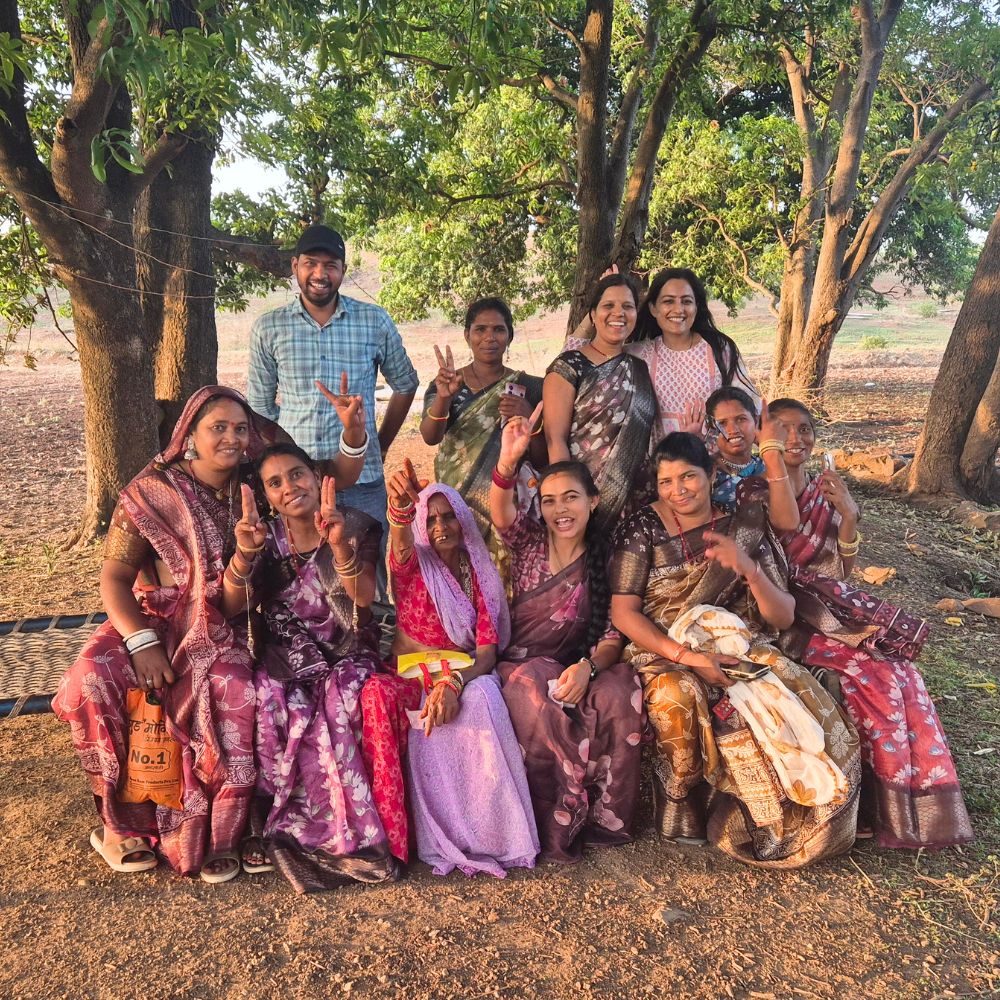
These are not excerpts from a climate report or findings from a scientific study. They are memories and observations shared by residents of Belhat and Devghat Gram Panchayats in Koraon Block, Prayagraj, Uttar Pradesh reflecting on how their landscape has transformed over the last two decades.
For the first time in Aspirational Block Koraon, communities were invited to collectively examine the changing character of their landscape through a Landscape Character Assessment (LCA). Rather than relying solely on statistics or sectoral indicators, the exercise drew upon community memory, lived experience, and local knowledge to understand changes in water, forests, agriculture, biodiversity, livelihoods, culture, and governance.
What emerged was far more than a landscape assessment. It became a community-led account of climate change, environmental transformation, and rural development, told through the voices of those who experience these changes every day.
Reading Climate Change Through Community Memory
The Landscape Character Assessment brought together women, youth, senior citizens, and mixed community groups to discuss changes across eight themes of village life and landscape. Through memory mapping, timelines, and system visualisation exercises, villagers collectively reconstructed the story of their surroundings over the last twenty years.
The discussions revealed that community members were not only able to describe what had changed, but also explain why these changes were occurring and what they might mean for the future.
Women, in particular, emerged as keen observers of environmental change. They spoke about wells that once held water throughout the year but are now drying up, shrinking ponds and streams, increasing dependence on handpumps and submersible pumps, changes in water quality, and even differences in the smell of soil.
“मिट्टी की खुशबू में बदलाव आया है,” (Even the smell of the soil has changed,) one group observed.
Others spoke about changing rainfall patterns and extreme weather events. Unseasonal rainfall, prolonged dry spells, rising temperatures, and hailstorms damaging crops were recurring themes. For many participants, climate change was visible in their fields, water sources, forests, and daily lives.
A Landscape in Transition
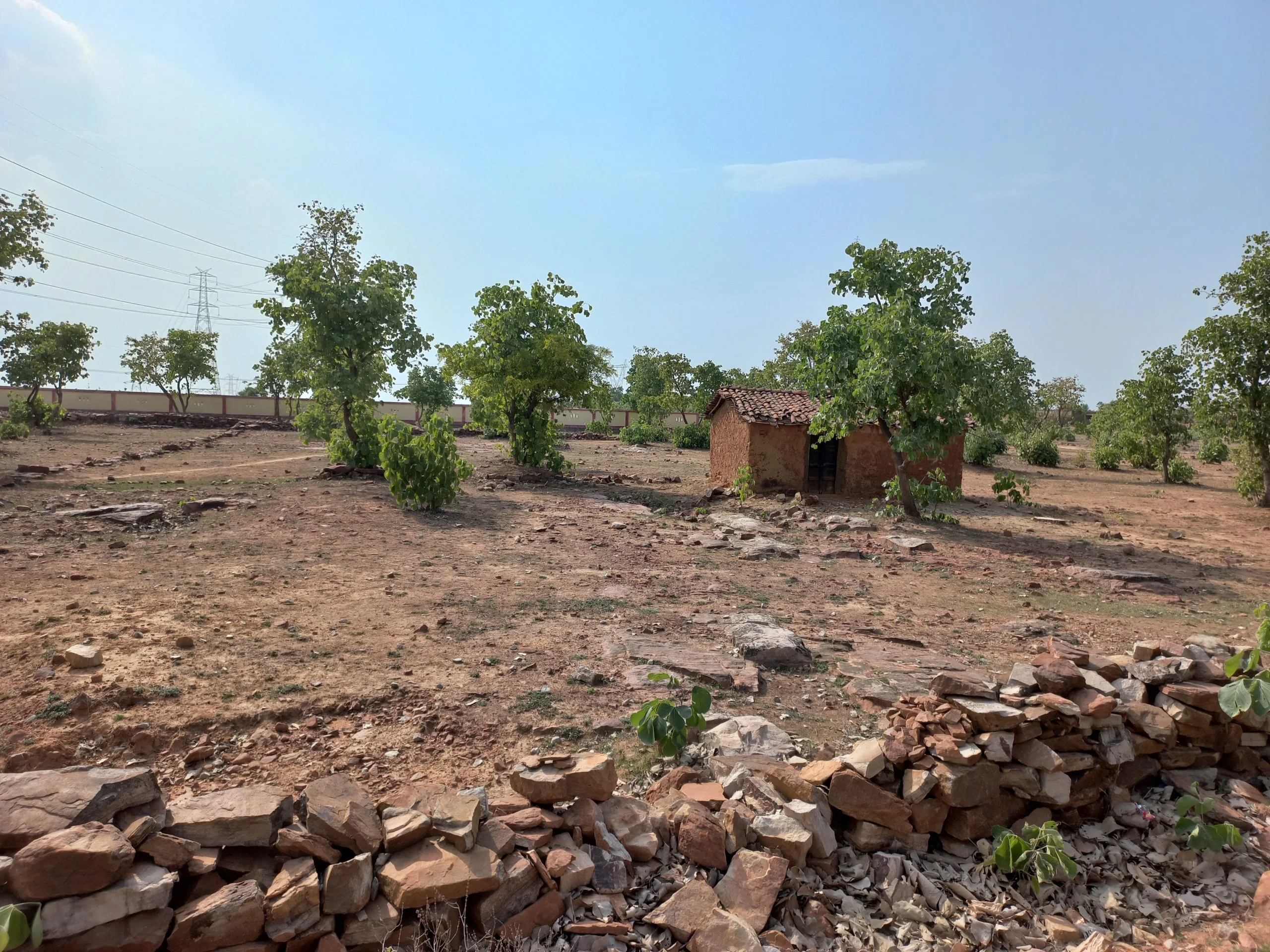
Over the last two decades, forests, rocky terrain, and uneven land have increasingly been converted into agricultural fields, roads, institutions, and settlements. Infrastructure, irrigation, transportation, schools, housing, and public services have expanded.
Many villagers viewed these changes positively. Land once considered unsuitable for cultivation is now producing crops. Roads have improved connectivity and access to markets. Education levels have increased, particularly among women and girls. Access to government services, welfare schemes, and public infrastructure has also improved.
“पत्थरीली जमीन भी बोने योग्य हो गई है,” (Even rocky land has become cultivable,) villagers observed with pride.
For many households, these changes represent progress and opportunity.
The Ecological Costs of Change
Community members repeatedly linked shrinking forest cover with rising temperatures, water scarcity, and changing rainfall patterns. Women described drying wells, ponds, canals, and streams. Older residents recalled greener landscapes, denser forests, and more predictable seasons.
The village’s biodiversity has also changed significantly. Birds and wild animals that were once commonly seen have become increasingly rare. Participants attributed this decline to deforestation, habitat loss, and changing land-use patterns.
“पहले जीव-जंतु दिखते थे, अब नहीं दिखते।”
As natural habitats shrink, wildlife increasingly enters agricultural fields and village spaces, creating new challenges for both people and ecosystems. The discussions revealed a growing awareness that environmental degradation directly affects agriculture, livelihoods, water availability, and future well-being.
Development and Environment: Not a Choice Between One or the Other
One of the most striking findings was that communities did not view development and environmental conservation as competing priorities.
Villagers celebrated improvements in roads, irrigation, electricity, housing, education, and governance while expressing concern about groundwater depletion, biodiversity loss, soil degradation, pollution, and increasing climate uncertainty.
Development has improved lives, but the landscape is under stress.
This dual understanding emerged most clearly when communities reflected on the interconnectedness of Jal (Water), Jungle (Forest), Jameen (Land), Jeev (Living Beings), and Jan (People).
Changes in forests affect water availability. Water scarcity influences agriculture. Agricultural practices affect soil quality. Biodiversity loss impacts ecological balance. Governance and infrastructure shape how communities respond to these challenges.
The Landscape Character Assessment helped make these relationships visible. Communities were able to see the village as a living system where environmental, social, economic, and cultural changes are deeply interconnected.
From Community Memory to Climate Resilience
By bringing together local memories, observations, and experiences, the exercise transformed community knowledge into evidence for future planning. It demonstrated that communities possess a rich understanding of environmental change.
As Gram Panchayats strengthen their development plans and begin shaping Locality Compacts, these insights can help inform more climate-resilient, community-led approaches to development.
The findings point towards a balanced pathway that improves livelihoods, infrastructure, education, and public services while investing in water conservation, forest restoration, biodiversity protection, and sustainable land management.
In Koraon, climate change was not first described through temperature records or rainfall graphs. It was described through drying wells, changing soil, disappearing birds, shrinking forests, and memories of seasons that no longer arrive as they once did.
The Landscape Character Assessment gave these observations a platform. In doing so, it transformed community memory into evidence and community voices into a foundation for building a more resilient future.