Since childhood, I have been empathetic and inclined to help others. However, due to limited resources, I was not always able to act on this desire. Even then, I carried a quiet dream that one day I would have a role where I could support and uplift people in need.
After completing my graduation in management, I consciously chose a path that would allow me to feel like a true change-maker. Looking back, this is how manifestation worked in my life—the path unfolded gradually, step by step. I chose to build my career in the development sector so that I could work closely with marginalised communities and contribute in a way that felt meaningful and real.
Joining Transform Rural India (TRI) became a turning point in this journey. It taught me that even small, intentional actions, when driven by purpose, can create lasting impact. I also learned that development is deeply subjective. My understanding of rural development in India evolved to recognise that equity matters far more than equality, and that empathy is the first and most crucial step towards sustainable change.
While working in the field, I discovered true gems within communities—people who continuously surprise me with their strength, insight, and resilience. This is especially true when it comes to women and girls. I often reflect on the immense potential they carry and how often it goes unseen, not due to a lack of capability, but because access and autonomy are taken away too early in life. When opportunities are denied at the right time, a girl slowly begins to believe that her dreams are too big for her world.
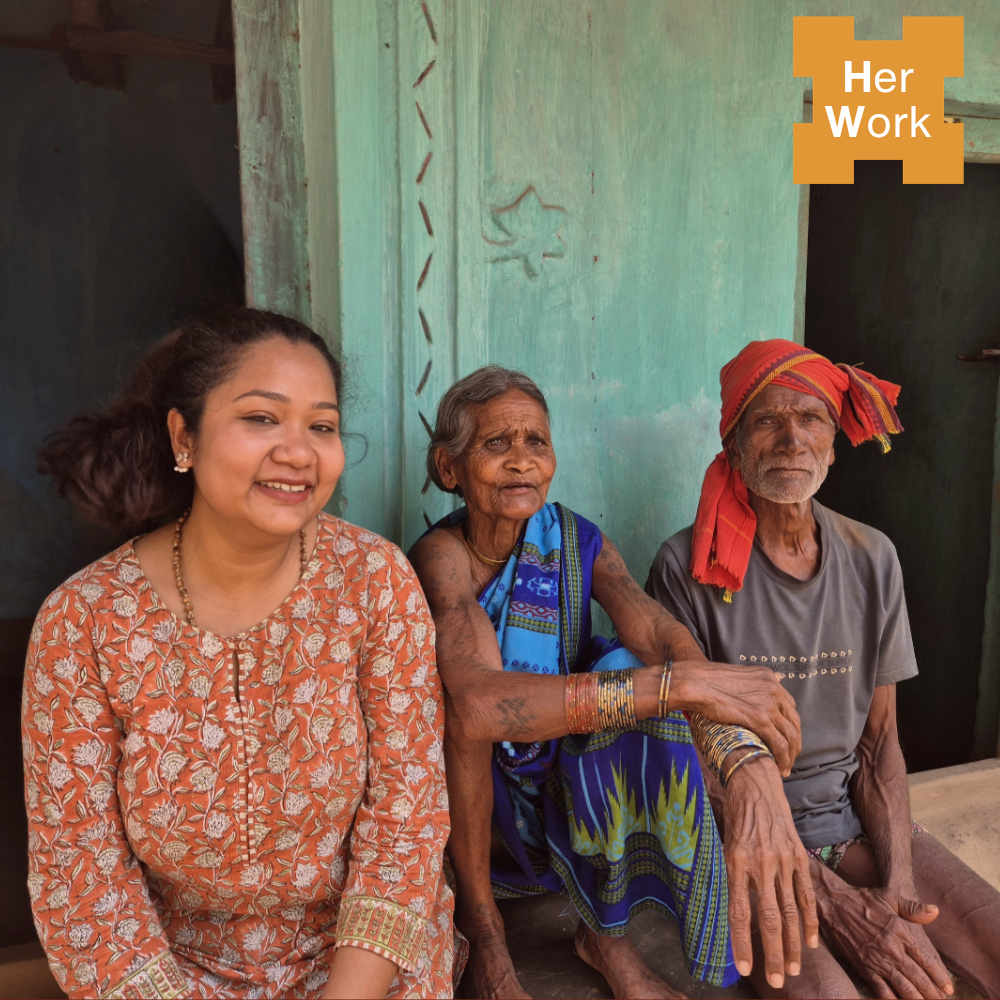
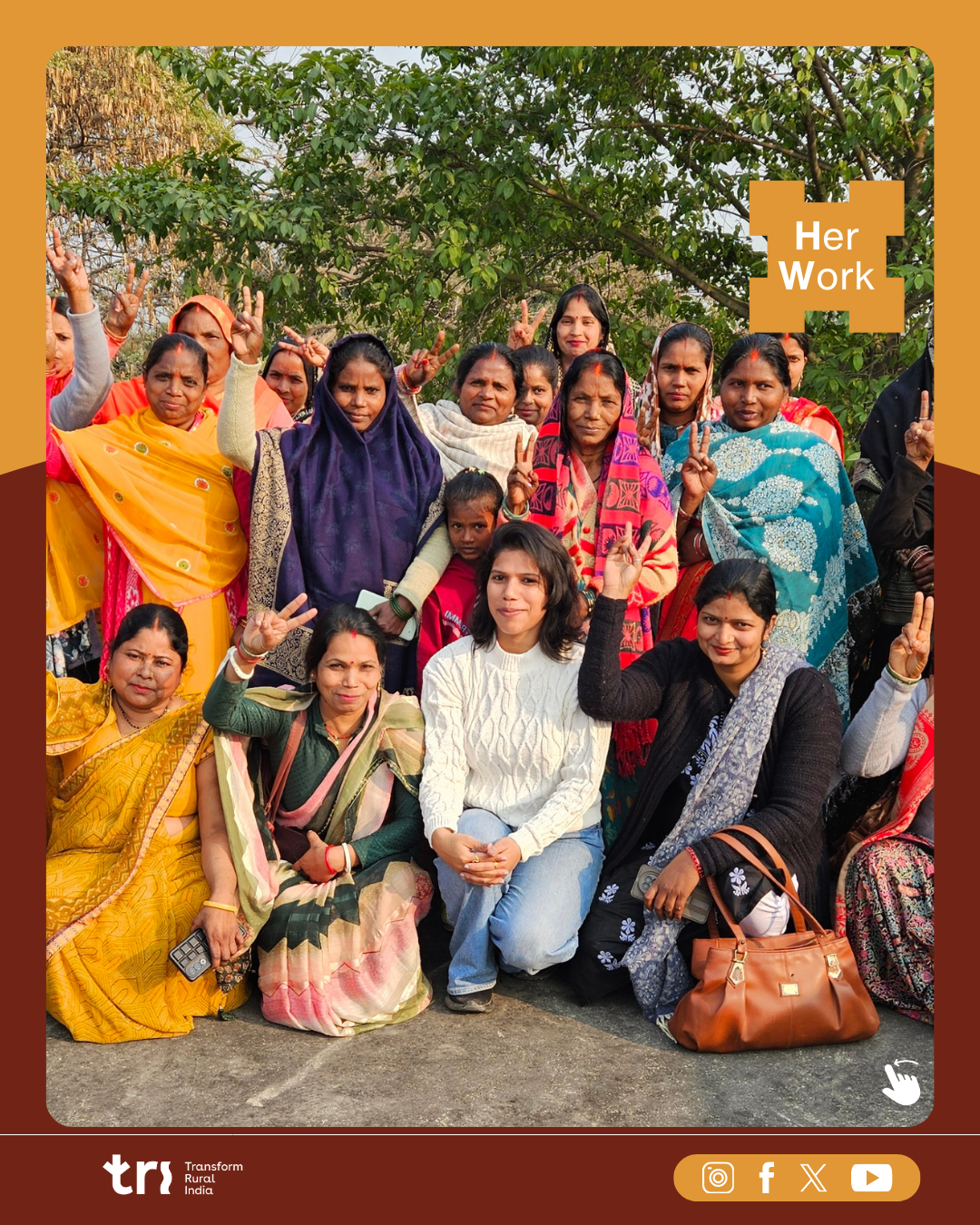
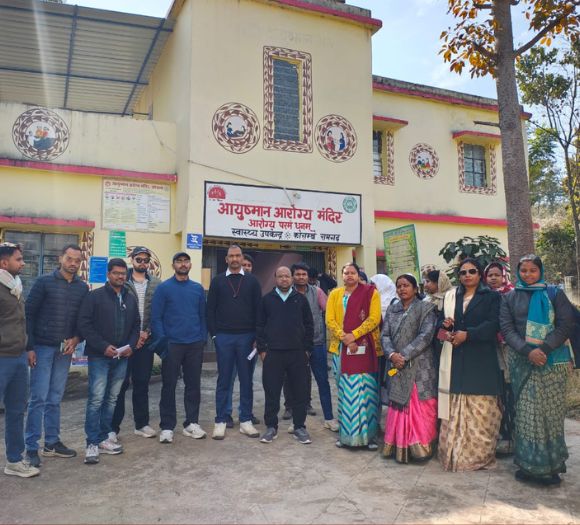
My experience in Bankati has been especially close to my heart. The women there welcomed me with immense love and openness, making the place feel like family. Their constant encouragement often makes me wonder whether such deep human connection exists in any other sector. Many women tell me that they appreciate the way I communicate and help them understand, and moments like these make my work deeply meaningful.
The women of Bankati are hardworking, determined, and full of zeal. They want to grow, do something meaningful, and create a better future for themselves and their families. My interactions with them move me deeply. In the middle of simple conversations, their thoughts and ideas often stop me in my tracks. Many didis open their hearts and share their stories of sacrifice, silent struggles, and unwavering courage.
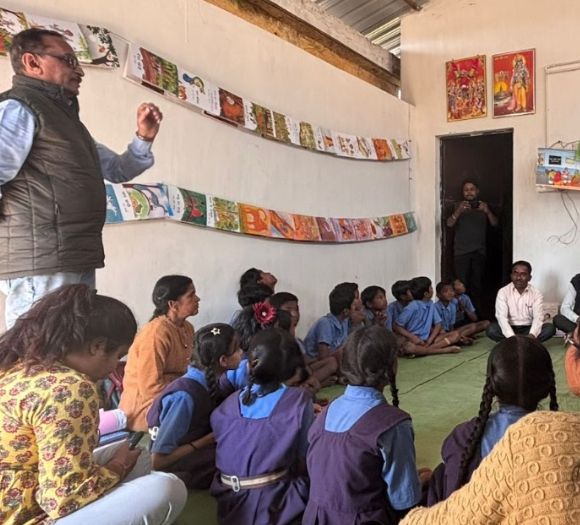
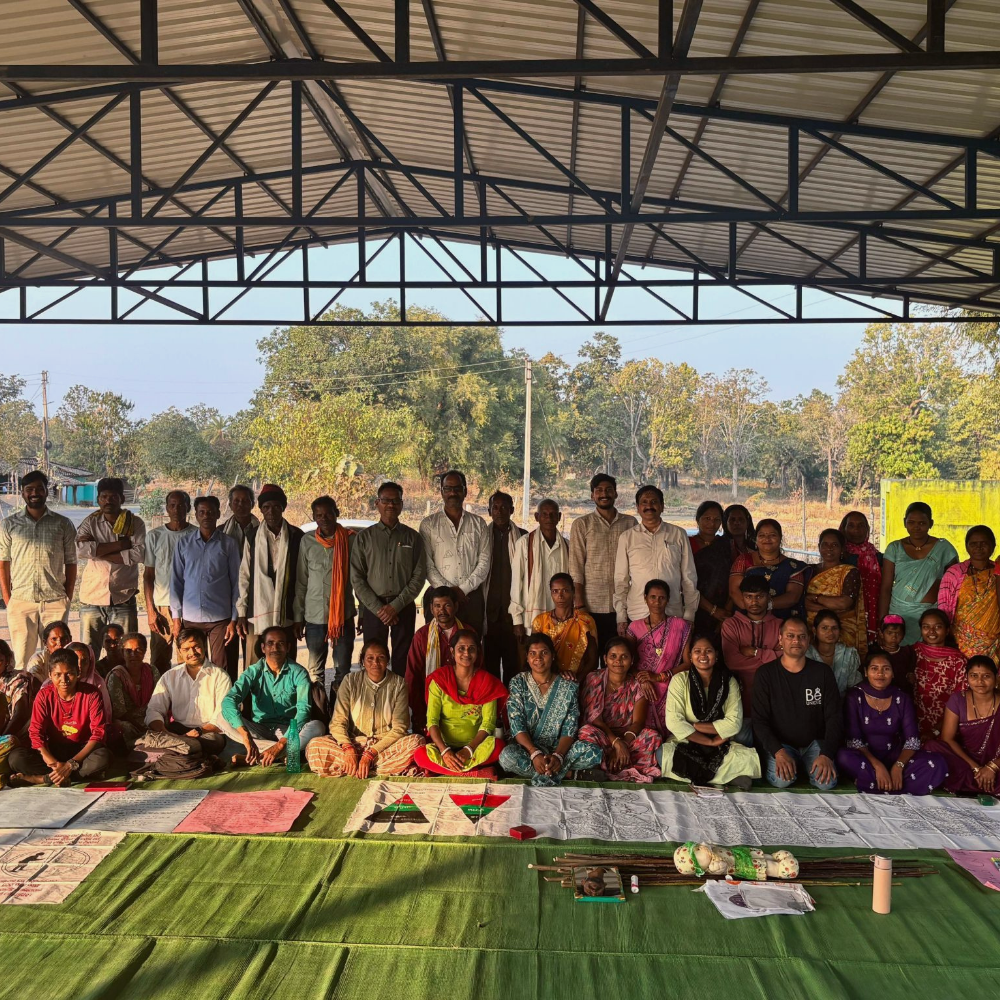
One such experience has stayed with me. During a visit to the panchayat for a focus group discussion as part of the community need assessment under Neighbourhood of Care, we asked whether families treat boys better than girls. In response, one woman said:
“जितना दर्द बेटा पैदा होने में होता है, उतना ही दर्द बेटी पैदा होने में भी होता है, तो हम भेदभाव नहीं करते।” (It hurts just as much to give birth to a son as it does to give birth to a daughter, so why should we discriminate.)
Her words surprised and deeply moved me. They reflected a clarity of thought and a sense of equality that often goes unacknowledged. This was not an isolated moment. There have been many such conversations where women have surprised me with their wisdom, sensitivity, and progressive perspectives—reminding me that powerful change already exists within communities, waiting to be heard and recognised.
I have seen women start their day before the world wakes up—managing homes, caring for families, and then stepping out to work in fields or as daily wage workers. Even with tired bodies, they still show up for meetings and discussions. What moves me most is their care for their families, neighbours, and community. These women lead quietly, build strength every day, and inspire through their actions. They lead without titles, inspire without applause, and teach through what they do.
My journey with the Change Vector approach began with curiosity, and as I experienced it firsthand, my understanding deepened. Seeing women actively care for their neighbourhoods and take initiative for community well-being reinforced my belief in community-led change. Their sense of responsibility helped me truly appreciate the strength and value of this approach.