In the village of Badlipada in the Petlawad block of Jhabua district, Madhya Pradesh, the local primary school was struggling to meet the learning needs of its students. With only two teachers responsible for teaching nearly 100 children across multiple classes and subjects, the school was stretched thin. Alongside their teaching responsibilities, the teachers were also required to handle various administrative and government-related tasks. With so many responsibilities, it became difficult to give individual attention to each child.
Over time, the impact began to show. Many children were struggling to keep up with their schoolwork, and the overall level of learning in the village was declining. For the people of Badlipada, this was deeply concerning. They believed that if children’s education was suffering, it was not only the school’s problem but something the entire community needed to address.
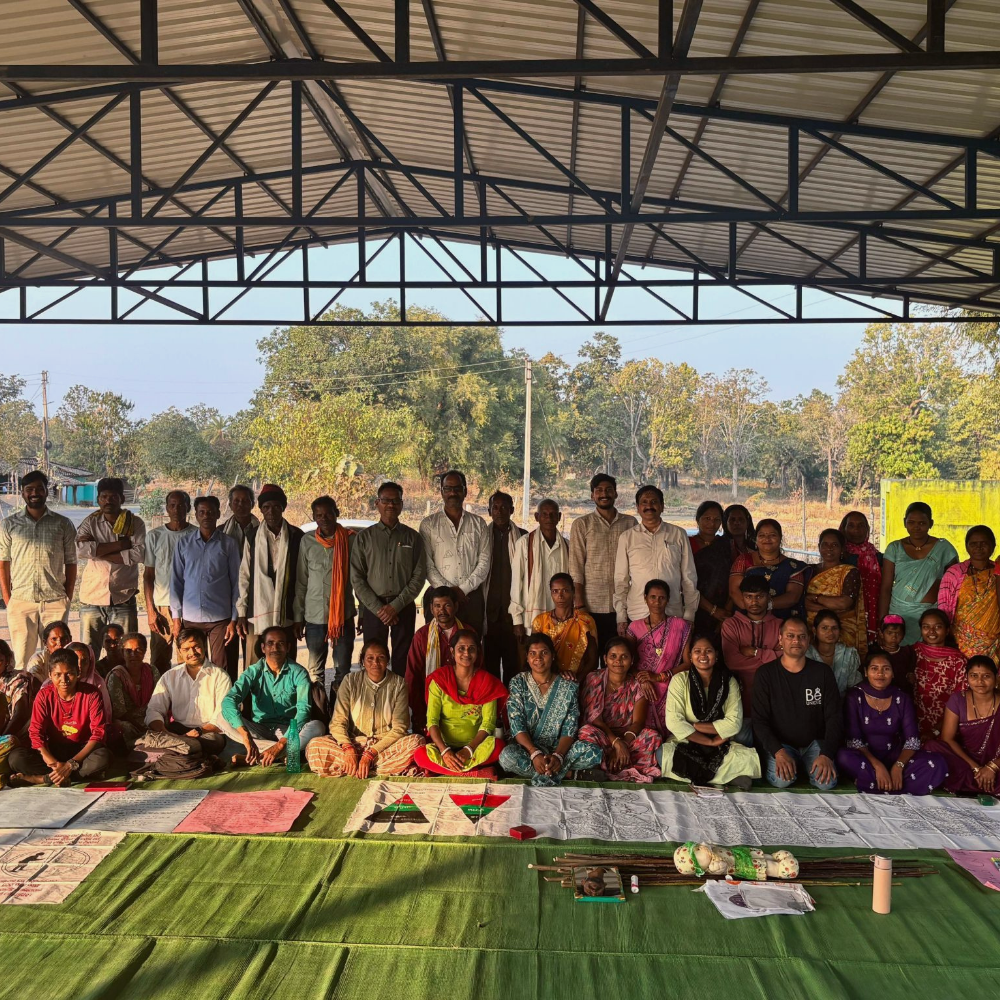
The turning point came when education began to feature in discussions during meetings organised by the Gram Panchayat Child Committee. Panchayat representatives, members of the Village Organisation, Badlav Didis ( or Change Vector – women trained by Transform Rural India to lead change in their village) and other villagers gathered to talk about the challenges children were facing in school. As the conversations continued, a shared understanding began to emerge. Improving education could not rest solely on the shoulders of teachers, it required the collective involvement of the community.
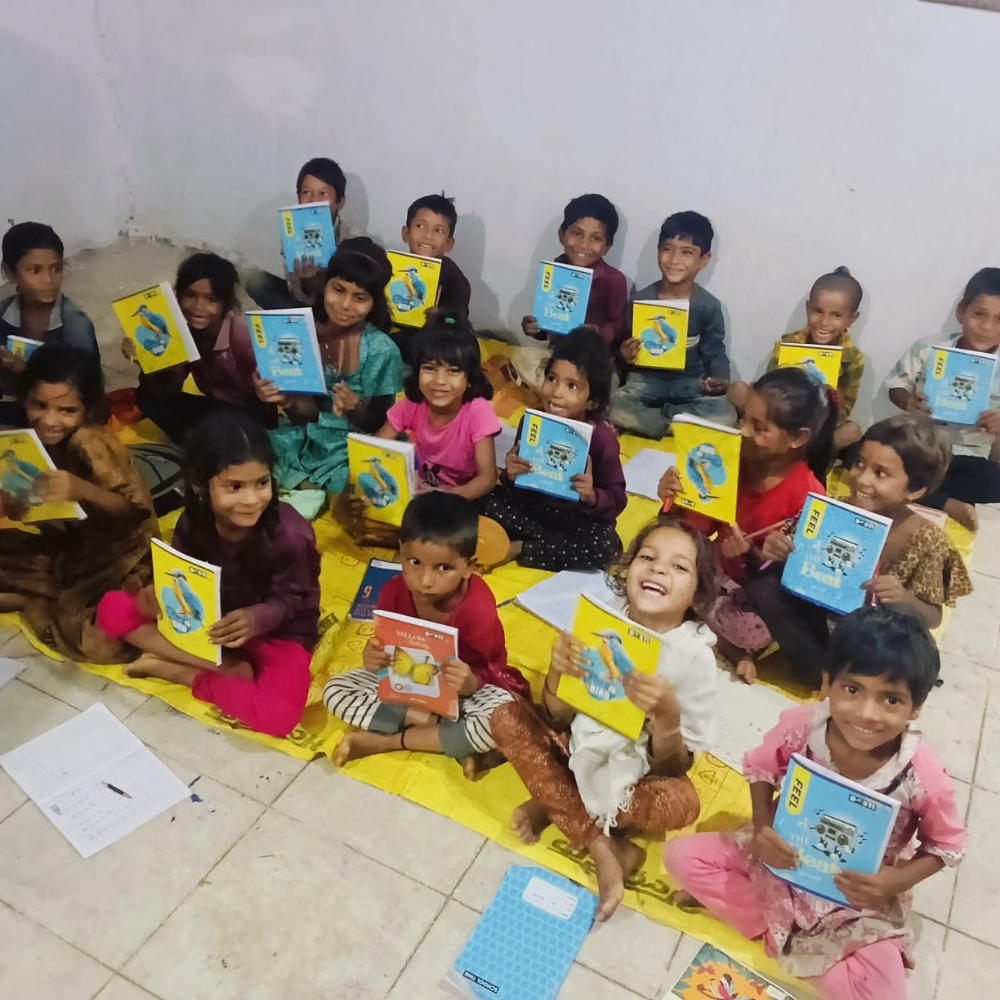
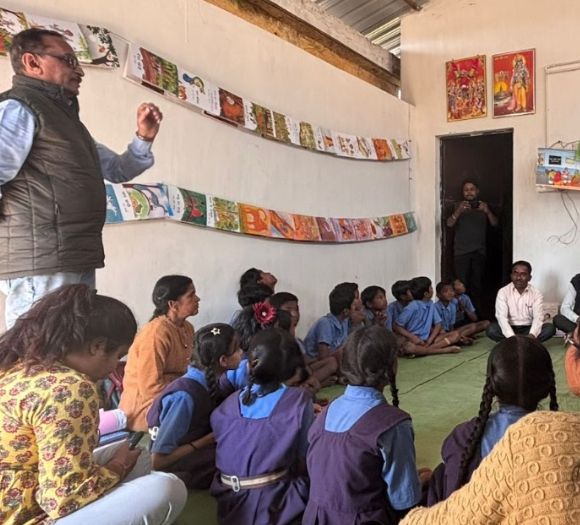
Out of these discussions, the idea of starting an Education Learning Centre in the village began to take shape. The centre would provide children with a space where they could receive additional academic support after school and strengthen their foundational learning.
Transform Rural India (TRI) team of development designers supported this process by working closely with the community to strengthen local capacity and encourage collective problem-solving. TRI trained Badlav Didis to better understand issues related to education and the ways in which communities can play a role in improving learning outcomes. Through regular engagement and facilitation, TRI also supported community discussions where villagers could openly reflect on the challenges facing their children and explore possible solutions together.
These conversations helped build a stronger awareness within the community about the importance of education and its connection to the future development of the village. More importantly, they encouraged people to see themselves not just as observers of the problem, but as active participants in creating change.
Once the community decided to establish the learning centre, the Gram Panchayat stepped forward to support the initiative. The Sarpanch ensured that the centre had basic materials required for teaching and learning. The Panchayat provided items such as a blackboard, chalk and markers, demonstrating its commitment to strengthening education in the village.
Women leaders in the community also played an important role in making the initiative possible. Munni, the President of the Village Organisation, offered a room in her home for the learning centre to operate free of cost. For her, supporting children’s education was an investment in the future of the village.
Badlav Didis such as Gavra and Dhulki worked actively to mobilise families. They visited homes, spoke with parents about the importance of education and encouraged them to send their children to the centre. Their efforts helped build trust among families, and gradually more children began attending the centre.
The village youth also stepped forward to support the effort. They formed a Youth Committee that took responsibility for strengthening the functioning of the learning centre. The committee began collecting small contributions to support the centre’s needs and volunteered their time to teach children after school. They helped students practise reading, writing and other foundational skills, ensuring that children received the additional attention they needed.
To sustain the initiative, the Youth Committee decided to meet every month. During these meetings, they reviewed how the centre was functioning, discussed any challenges they were facing and explored ways to improve the learning experience for the children.
Today, the Education Learning Centre has become an important space for the children of Badlipada. It provides them with additional academic support and helps build their confidence as learners. At the same time, the initiative has brought the community together in a shared effort to strengthen education. Panchayat leaders, women’s groups, youth and other villagers are all contributing in their own ways.
Through its engagement, TRI helped strengthen community awareness and supported local leadership to take collective action. What began as a concern about children struggling in school has gradually evolved into a community-led effort to improve learning opportunities in the village.
The story of Badlipada is a reminder that meaningful change often begins with conversation and collective resolve. When a community comes together to invest in the education of its children, it does more than improve learning outcomes, it builds a stronger and more hopeful future for the entire village.