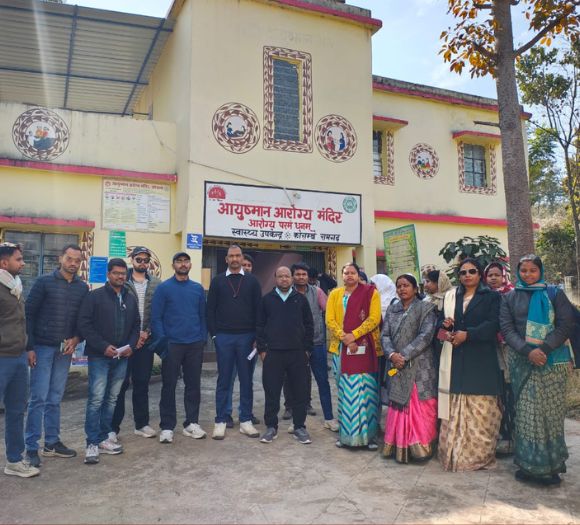
In Mandri village of Kanker district, the agricultural calendar has quietly expanded. For the first time, farmers are not stopping with one harvest. Maize now grows in what was once an off-season, marking the village’s entry into a second cropping cycle powered by community-managed solar lift irrigation.
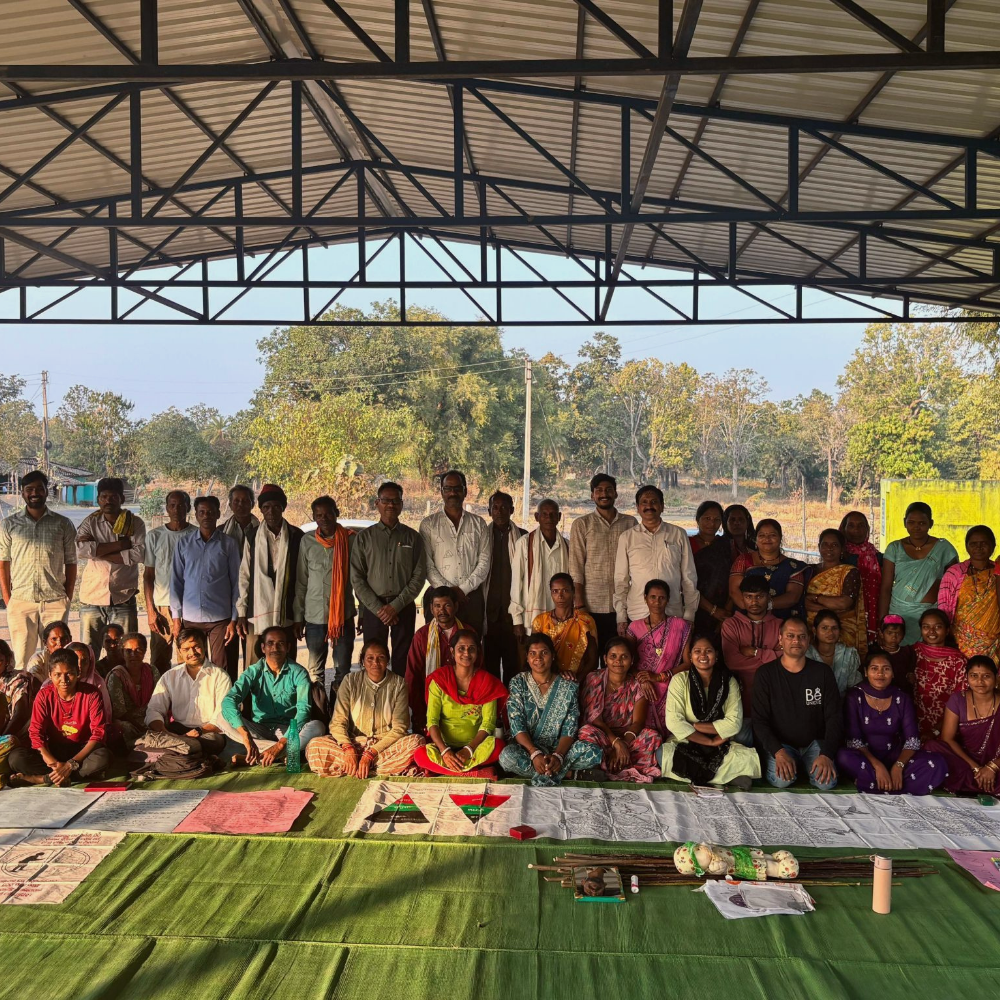
Between 19 and 21 January 2026, an intensive three-day capacity-building workshop was conducted to strengthen 10 Community Managed Solar Lift Irrigation (CMSLI) sites across the region. Mandri is one of these sites. For its farmers, and for those across the other nine solar irrigation locations, this was also their first direct experience with climate-smart agriculture in practice, not theory.
The focus was on sustainability. Infrastructure alone does not endure unless the community that uses it can also govern it.
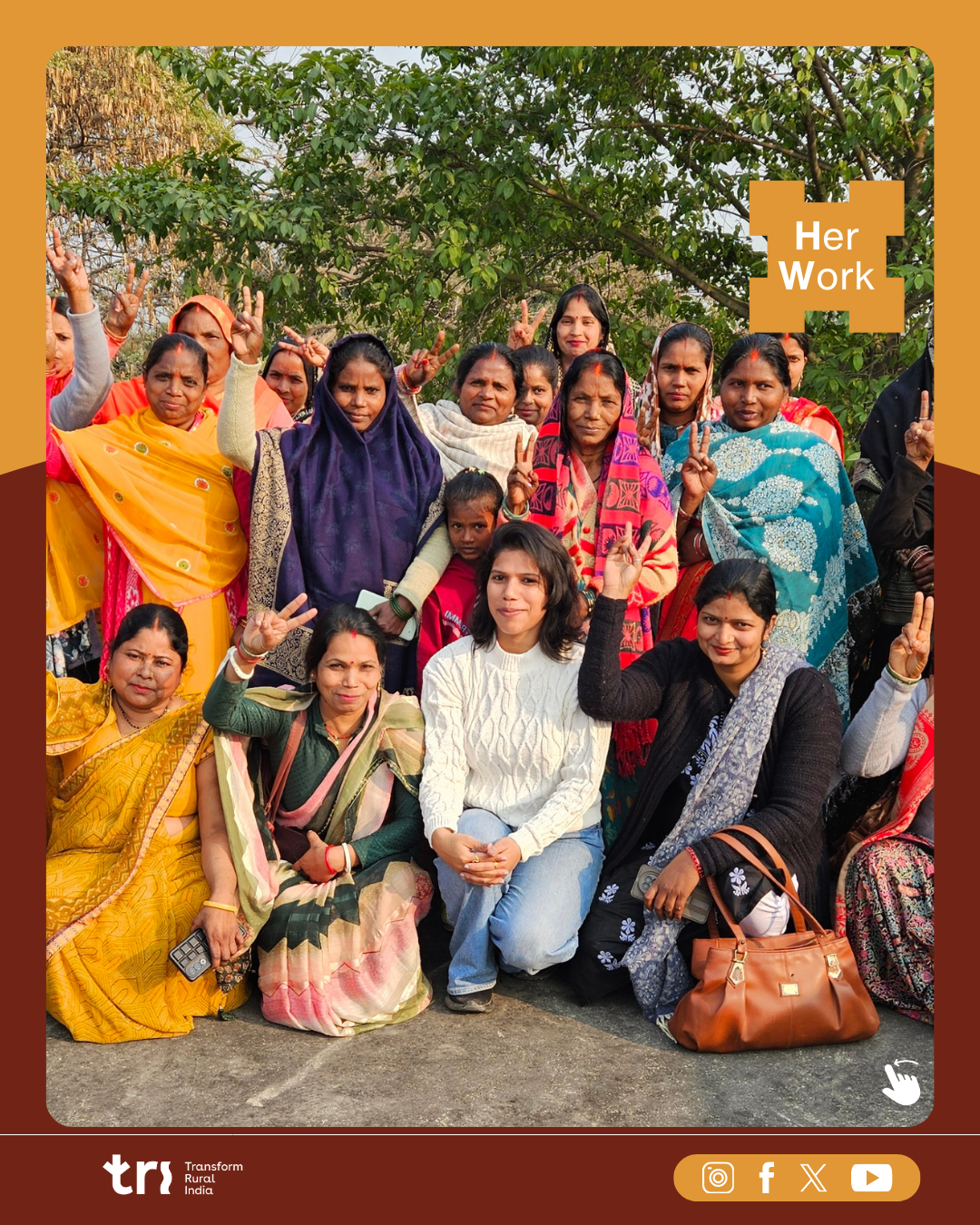
To that end, Water User Groups (WUGs) from the CMSLI sites came together to build the technical and managerial capacities required to operate and maintain their systems independently. The training was led by National Resource Person Sanjay Ray, who structured the first two days around practical learning rather than abstract instruction.
Complex technical concepts were broken down through interactive, game-based learning, while hands-on maintenance sessions familiarised participants with solar modules, high-efficiency motors, and controllers. Preventative troubleshooting was emphasised to reduce system downtime and ensure reliable water flow throughout the cropping season.
By the third day, the conversation had shifted. With support from TRI’s team of development designers, the focus moved beyond keeping the pumps operational. The discussion turned to income, cropping intensity, and long-term planning. Farmers and facilitators explored strategic crop diversification, income-enhancement pathways, and collaborative roadmaps between Cluster Level Federation (CLF) members and technical professionals. The aim was explicit: increasing cropping intensity by up to 300 per cent where local conditions permit.
What emerged was a shared understanding that community-managed irrigation is not merely a technical intervention. It is an institutional one.
By equipping Water User Groups with the skills and authority to manage their own solar utilities, organisations like Transform Rural India are supporting a shift from dependency to ownership. When communities can operate, maintain, and plan around shared infrastructure, irrigation schemes are more likely to remain functional, economically viable, and resilient over time.
As Mandri enters its second cropping season, the change is not only visible in the fields but also in the confidence of the farmers who now manage their own systems.