“Those days, rice was sweeter than it is today.”
For the older residents of Chokad village in Jharkhand, memories of the past often begin with the smallest things: the taste of rice, the songs sung together or the trees that once lined the village. These recollections hold more than nostalgia. They offer glimpses into how people lived, worked and came together, and how their surroundings have changed over time.
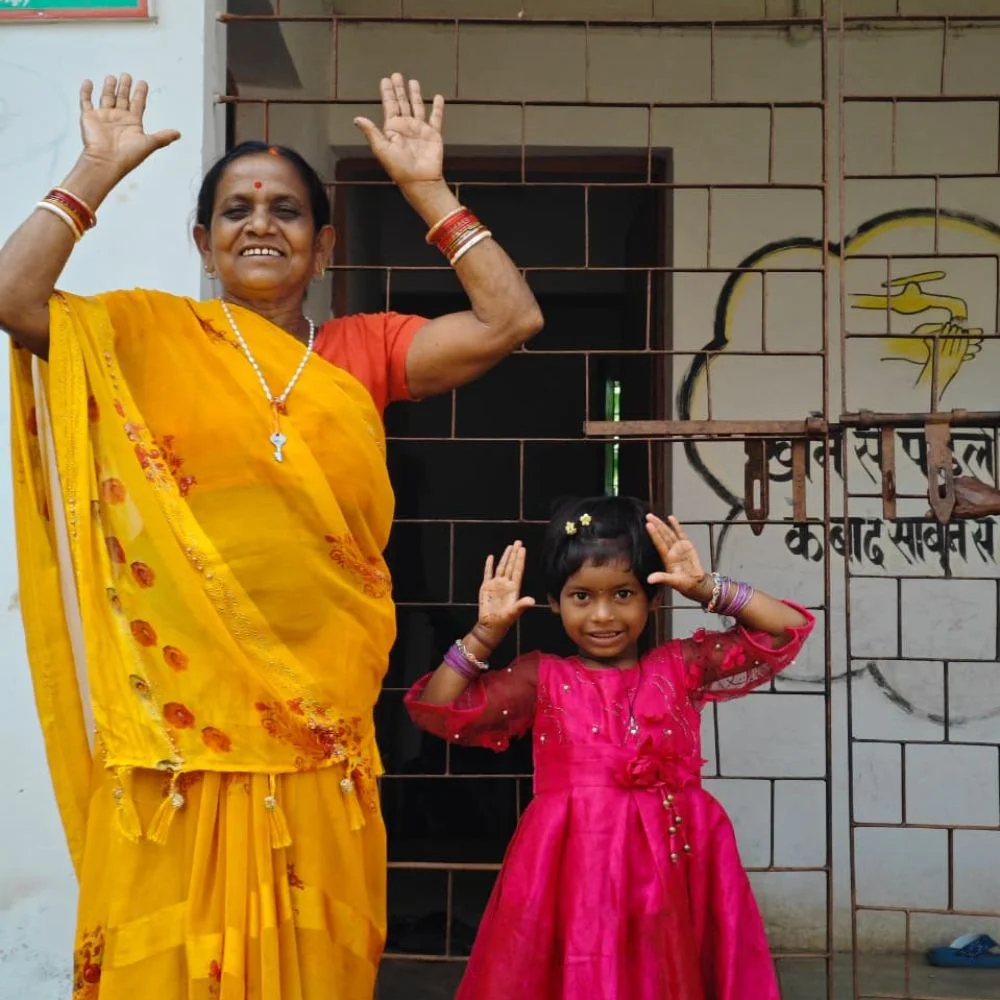
On the International Day of Older Persons, these memories found a shared space at the village Anganwadi, where Transform Rural India (TRI), alongside Anganwadi workers and local volunteers, brought older residents and children together for a day of interaction and storytelling.
The gathering was an opportunity to celebrate older people not only for the lives they have lived, but also for the knowledge, experiences and traditions they continue to carry.
Stories that bring generations together
The celebration began with a traditional Jharkhandi song, setting a familiar tone for the gathering. Through songs, conversations and shared activities, older participants had an opportunity to revisit memories and share them with younger generations.
“We used to sing Jhumar together,” recalled one participant, referring to the traditional folk dance and music form associated with the region.
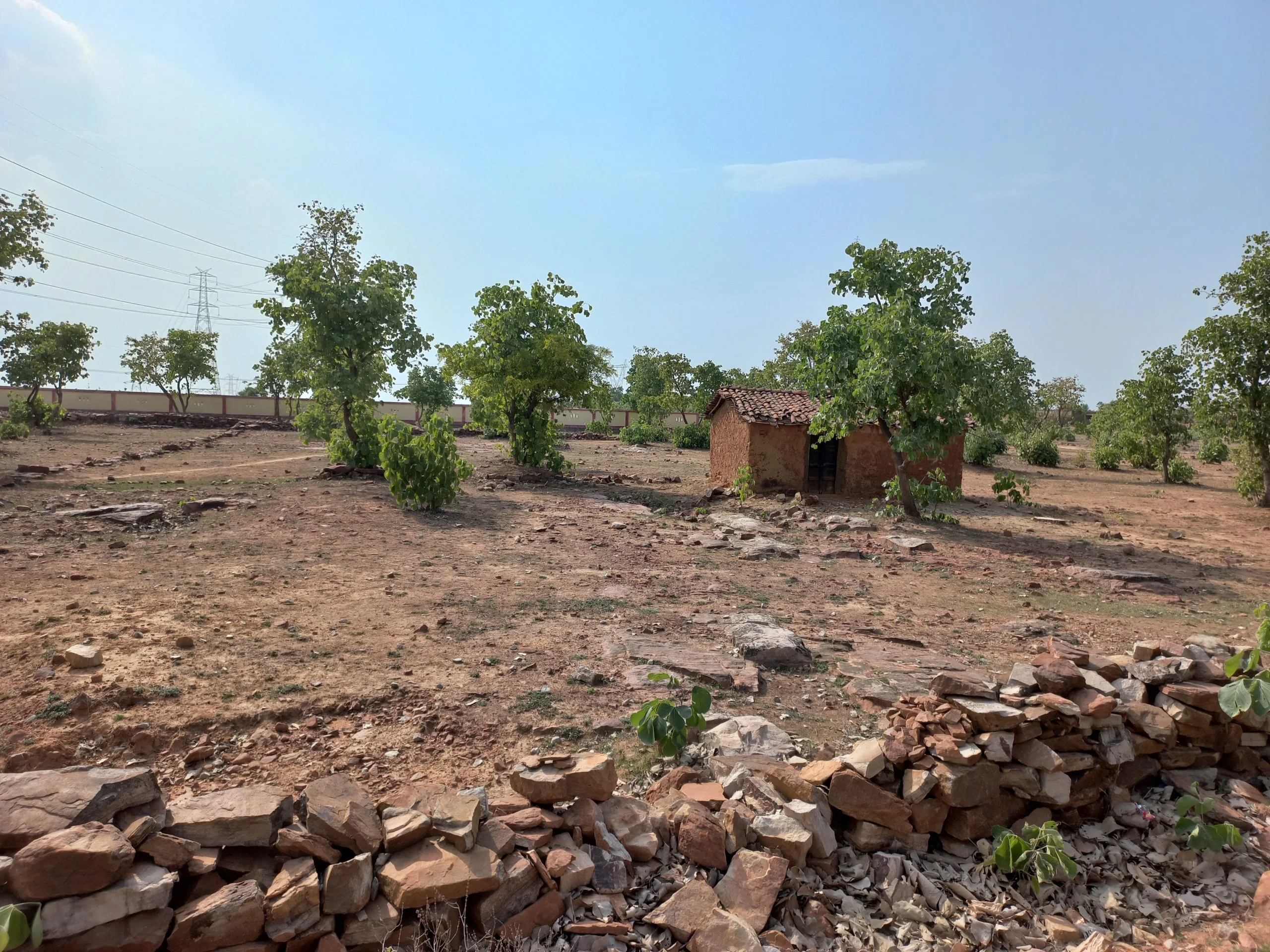
Another remembered a landscape very different from the one around them today: “There were so many trees in the village then.”
These recollections opened a window into the community’s collective memory. Songs brought back moments of celebration and togetherness, while memories of trees evoked a changing relationship with the local landscape. Everyday observations became ways of reflecting on the transformations that villages experience across generations.
Other memories spoke of personal milestones and changing opportunities. “I bought a pair of gold earrings when I joined the SHG,” one participant shared, recalling a significant moment in her life linked to participation in a self-help group.
Together, these stories reflected different dimensions of rural life: its cultural traditions, changing environment and the opportunities that can shape women’s lives.
The gathering also created opportunities for children and older people to interact through collaborative activities and informal exchanges. Such encounters allow children to engage with local histories and traditions beyond what they encounter in classrooms, while giving older people a space to share their experiences and remain active participants in community life.
Care that begins close to home
As India’s rural communities navigate changing family structures, livelihoods and living environments, ensuring the well-being of older people requires attention beyond medical care alone. Social connection, community participation and access to supportive local institutions are also important dimensions of a caring environment.
This broader understanding of care informs TRI’s Neighbourhoods of Care (NoC) model, a community-led public health approach that seeks to bring care closer to where people live. Rather than relying solely on centralised, hospital-dependent systems, the model focuses on building local networks that connect communities, frontline workers, public institutions and health services.
Community self-help groups, local change-makers, Panchayati Raj Institutions and frontline health systems can each play a role in making care more accessible and responsive to people’s needs. The approach also recognises that health is shaped by everyday circumstances, relationships and the social and ecological environments in which people live.
The gathering at Chokad’s Anganwadi offers a complementary perspective on this idea. A familiar community space became a setting for older residents to share their experiences, for children to encounter local traditions and for different generations to spend time together.
While a celebration cannot address the full range of health and care needs that accompany ageing, it can create opportunities for interaction and strengthen the social relationships that are an important part of community well-being.
Building a culture of care across generations
The stories shared in Chokad were personal, but they also spoke to a collective experience. The memory of singing Jhumar together recalled a culture of shared celebration. The recollection of a village with more trees pointed to changes in the surrounding landscape. The memory of buying gold earrings through SHG participation connected an individual milestone with a wider institutional journey.
Listening to these experiences is one way communities can recognise older people as contributors to village life, rather than viewing them only through the lens of age or care needs.
For Neighbourhoods of Care, the larger opportunity lies in building on such community relationships while strengthening the connections between households, local institutions and public health systems. Care becomes more responsive when communities have spaces to participate, local actors can help identify needs and institutions work together to support people’s well-being.
In Chokad, the gathering brought generations together through something simple yet meaningful: the sharing of memories. It was a reminder that building caring communities involves not only making services available, but also creating opportunities for people to be heard, valued and connected.
After all, a village’s well-being is shaped not just by the services it provides, but also by the relationships its people sustain across generations.