In Delhi, reform is measured in numbers: schemes launched, crores disbursed, targets met. In a village, it is measured far more simply. Did the pension arrive this month? Does the handpump work? Is there a teacher in the classroom this morning? For twelve years, India has counted its reforms from the top down. This October, a cluster of villages set out to count them from the ground up, and then to decide what should come next.
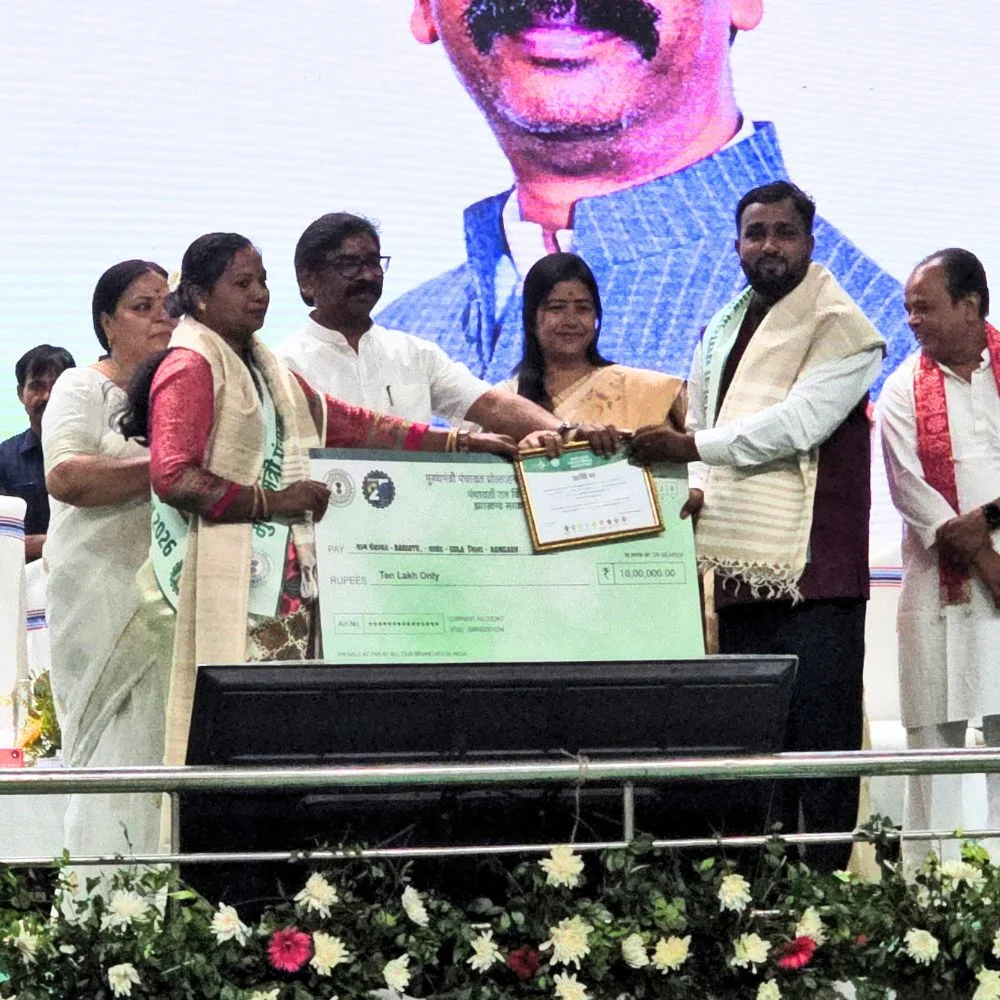
The moment could not have been better chosen. On 2 October, the birthday of the man who believed India’s democracy should be built upward from the village, the Prime Minister inaugurated Reform Utsav, a nationwide celebration of twelve years of governance. Every central ministry came together with the states and Union Territories to organise it, through participative sessions in which beneficiaries told the story of reform in their own words. Gandhi saw the Gram Sabha as the foundation of self-rule, not the final stop on a government’s itinerary. Yet it would have been easy to treat Reform Utsav as one more Delhi programme with the village added as an afterthought. The Community Action Lab (CAL), a practice of Transform Rural India where local innovations are tested alongside communities, chose to read it the other way round.
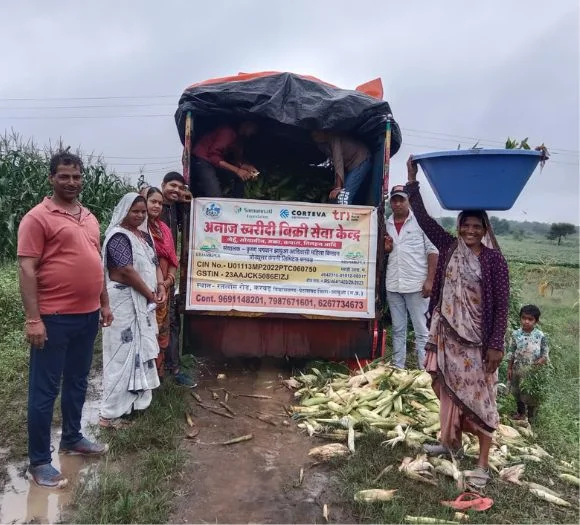
For CAL, that reversal was the whole opportunity. Across eight blocks in Jharkhand and many in Uttar Pradesh, Reform Utsav unfolded not as a session where villagers sat and listened, but as a structured exercise in which they led. Gram Sabhas gathered in Joteya, Gua and Kotgarh in Nowamundi; Dhawadih, Bakori and Bori in Satbarwa; Khinda and Kurdeg in Kurdeg; Kersai and Kenkel in Kersai; Hesarboda, Purbodhi and Korambe in Gola; Basaria Kala, Tala Bhabandi and Burabir in Chainpur; Nawagarh, Hesel and Getalsud in Angara; and Ita in Beor.
Each day began with a blank wall. On the Reform Idea Wall, citizens stepped forward and said, in their own words, what needed to change and how it should change. No official script was read out and no ready-made story was handed down. From there, the community moved to a Village Reality Check, where those ideas met the ground: residents named their own development gaps and spelled out what they actually needed.
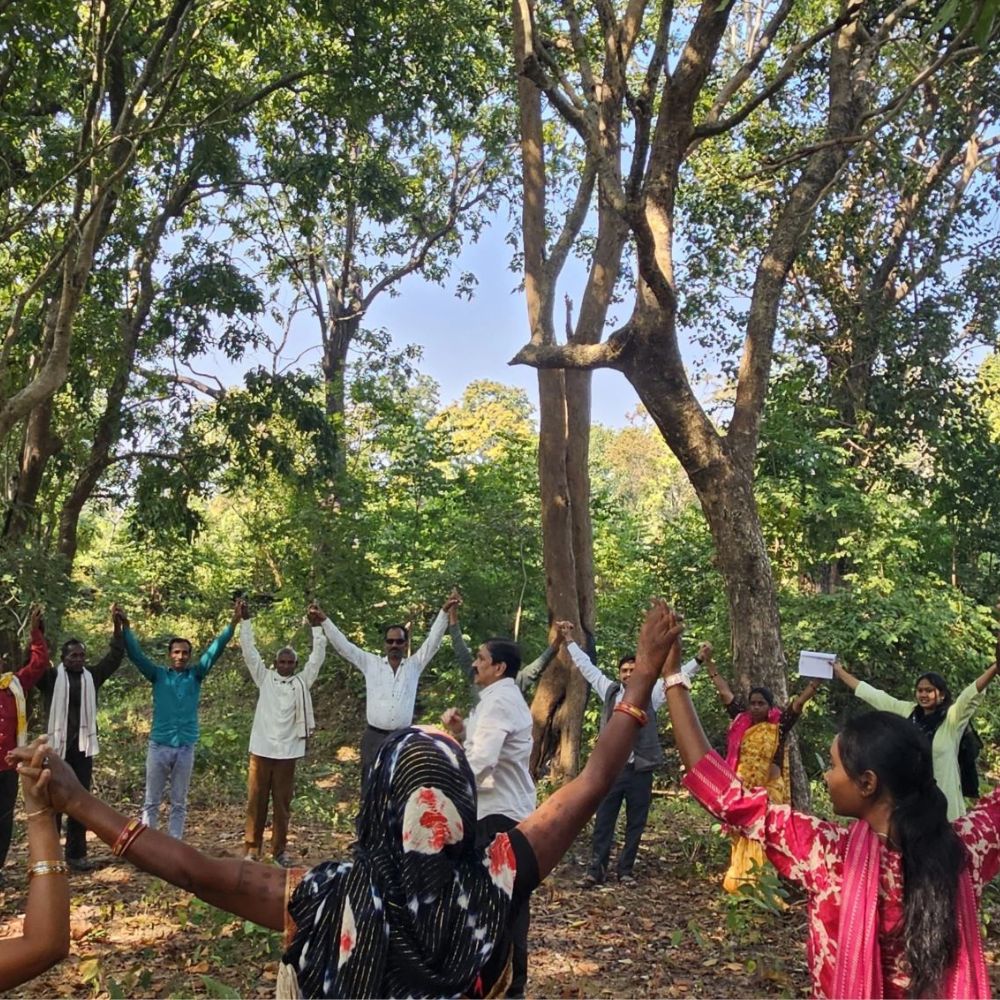
Then the circle widened. In the Citizen Voice Circle, women, young people, elders, Self-Help Groups and marginalised families spoke for themselves rather than through someone who claimed to represent them. It is often the quietest voices in a village that know most precisely where a system is failing, and this part of the day was designed to make sure they were heard.
Aspiration then turned into accountability. Through a Service Dialogue and a Scheme and Entitlement Check, each village set what it was owed against what it had actually received, scheme by scheme and entitlement by entitlement. Everything gathered through the day then flowed straight into setting priorities for the Gram Panchayat Development Plan. This is what kept Reform Utsav from becoming a parallel event, forgotten by November. Instead, it became the doorway into this year’s GPDP (Gram Panchayat Development Plan). The day closed with a People’s Commitment, a Public Reform Charter that the community signed itself. It was a pledge the village made and intends to keep, not a photograph taken for a file.
Seen this way, Reform Utsav was never a rival to CAL’s Locality Compact initiative. It became an official, ready-made platform for it. The danger was never that the government’s event would drown out the community’s work. The real opportunity lay in borrowing that event’s legitimacy and its timing to do what CAL has always known needs doing: turning what citizens say into what communities prioritise, and turning those priorities into a plan the community owns.
On Gandhi’s birthday, India celebrated twelve years of reform. In these villages, the celebration did something more lasting. It handed the pen back to the people.