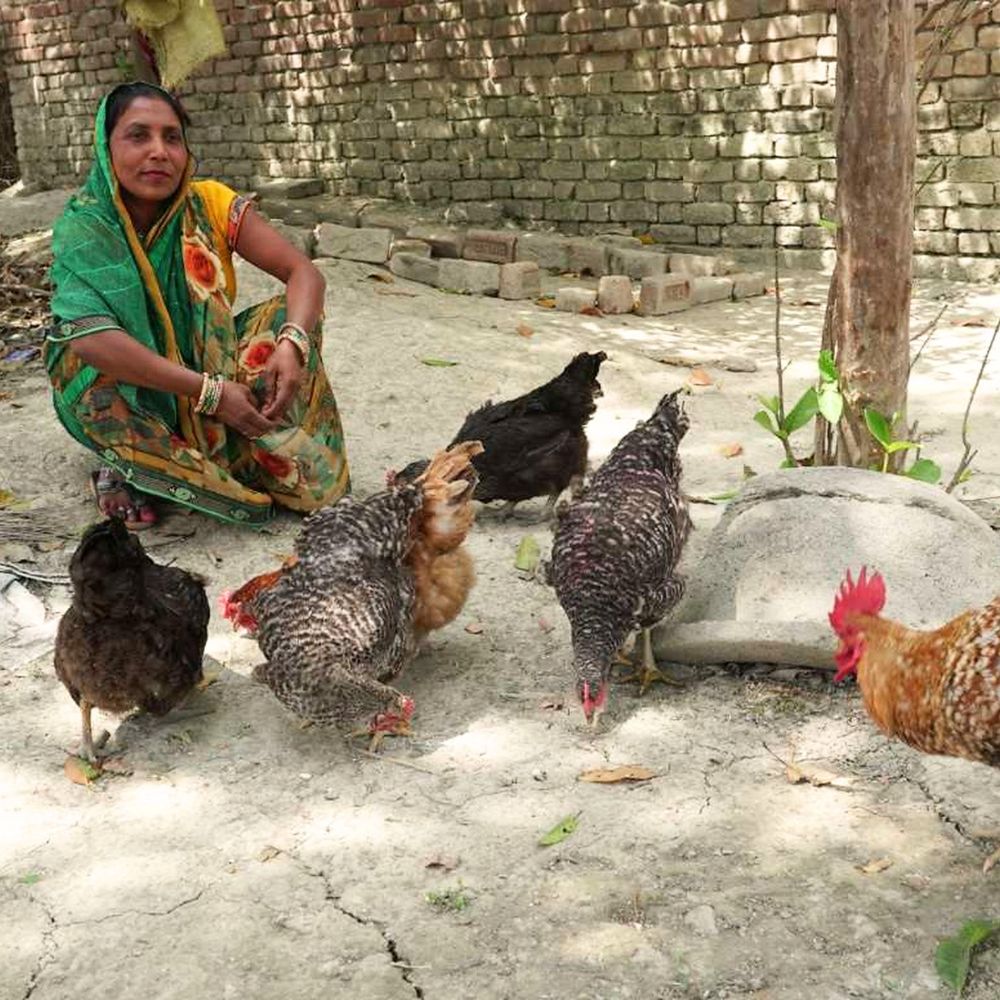
Women do much of the work on India’s farms, yet they are seldom treated as farmers. They sow, weed and harvest, but the training, the information about new seeds and methods and the decisions about what to grow and where to sell usually pass them by. Without that knowledge, a woman’s labour on the land rarely turns into an income she controls, let alone a role in shaping how her village farms.
Meera Devi set out to change that, beginning in her own village of Belranya in the Nighasan area of Lakhimpur Kheri. Today people across Nighasan know her as the “Mushroom Lady”, but the name was earned over years of steady work that started when she was an ordinary member of a self-help group (SHG).
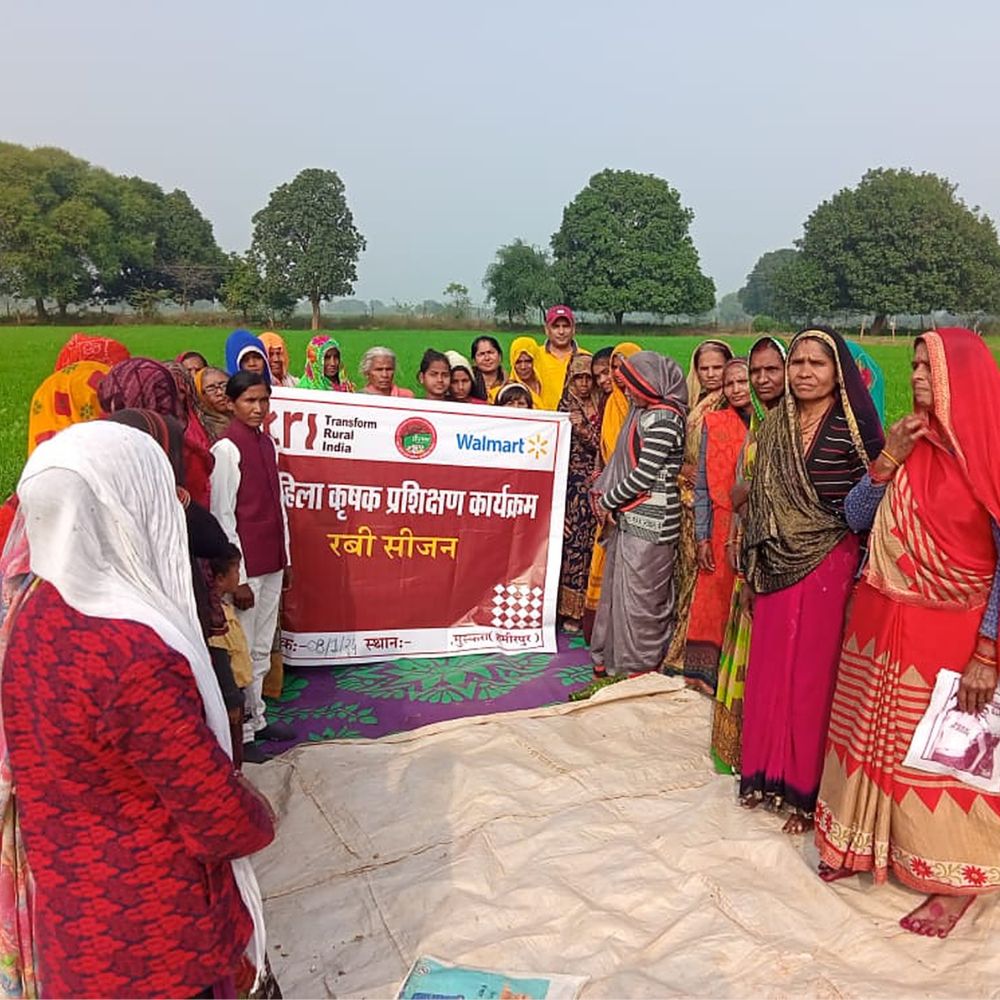
Through the SHG she trained as a Krishi Sakhi, a community resource person who supports other women farmers. The role took her from village to village, where she helped women understand better farming practices and learned the finer points of agriculture herself. Transform Rural India (TRI) supported her along the way, building her capacity through training, keeping her informed about seeds, crops and new technology and helping her connect to markets. The more she taught, the more confident she became.
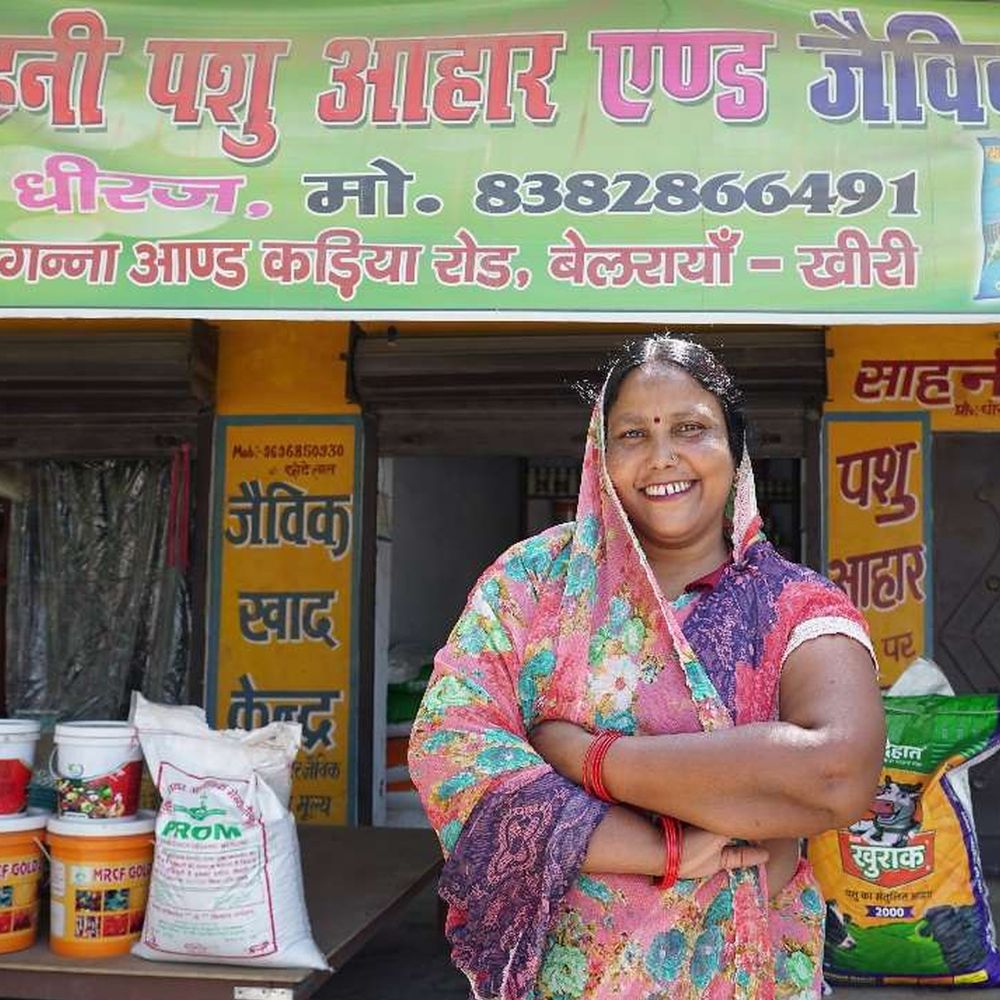
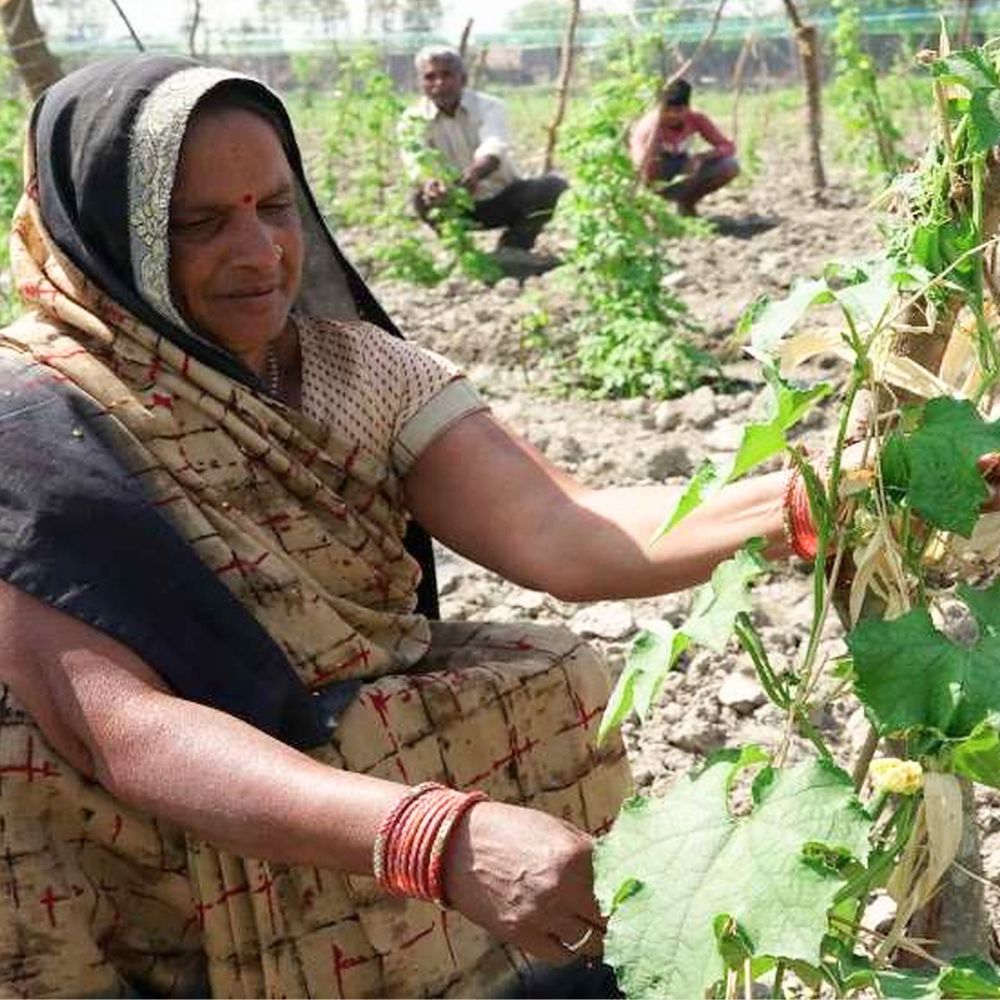
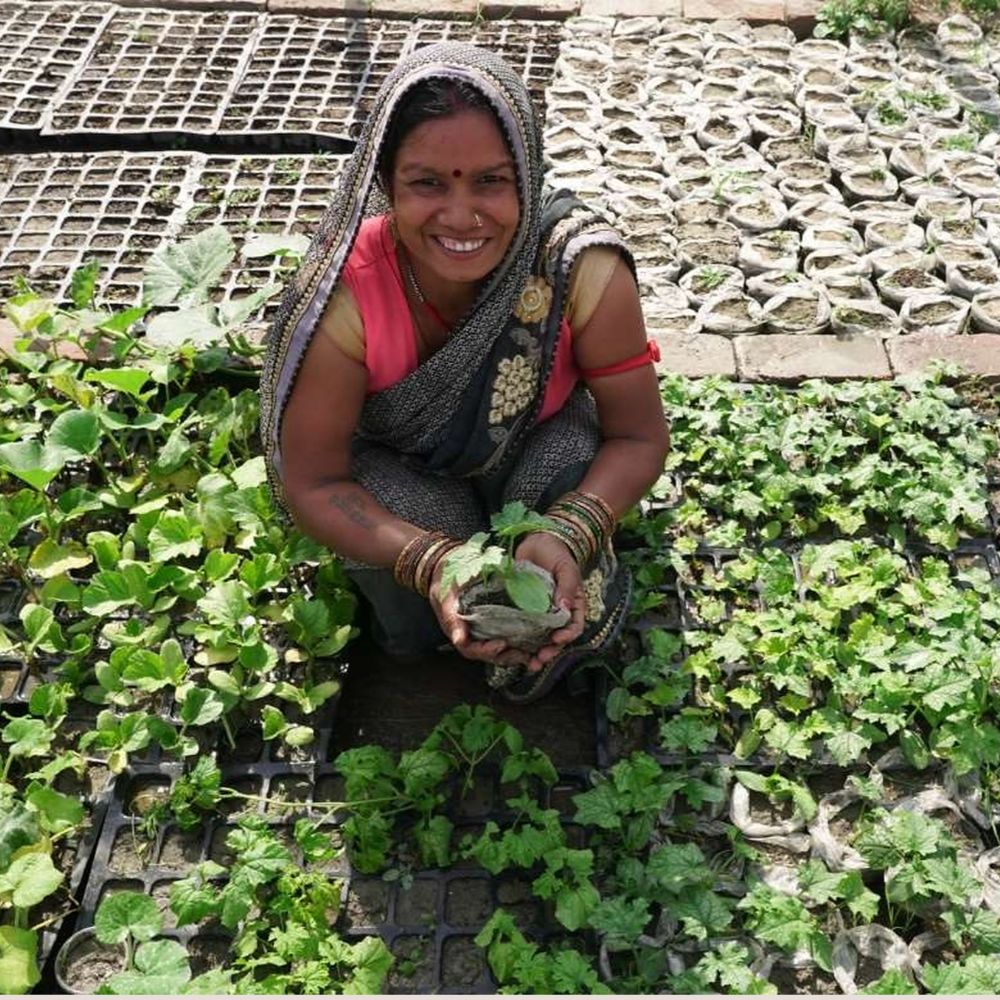
As her knowledge grew, Meera began experimenting on her own account. She took up fish farming, grew vegetables and other crops, started making organic manure and eventually opened a seed shop. Each of these began as a small venture, and over time they became steady sources of income that no longer depended on a single crop or a single season. The Krishi Sakhi had become a Krishi Udyami, an agricultural entrepreneur.
Her growing reputation brought bigger responsibilities. Meera became a director of a farmer producer organisation (FPO), helping to steer a collective of farmers who buy and sell together. She is also an office-bearer of the Bhuswamini Kisan Sangathan, a Cluster Level Federation (CLF) that brings together women’s groups from across a cluster of villages.
These roles have changed what her success means. Meera no longer earns only for herself and her family, because through the FPO and the CLF she is now helping to open up better incomes for 1,300 other women. Many of them stand where she once did, willing to work hard but without the knowledge and connections to make their farming pay.
Her journey shows how a woman who is given the right training and information can move from learning to earning and then to leading. Each step built on the last, and each one widened the circle of women who benefit from her work. As more women farmers in Nighasan follow a similar path, from SHG member to resource person to entrepreneur, the change she began in Belranya can spread far beyond a single village.
For Meera, the journey is far from over. Having seen how far knowledge and hard work have taken her, she now wants to scale up her enterprises and help many more women farmers find their own way forward.