For a small farming family, depending on a single crop is a gamble played out every season. The money comes in once or twice a year, if the harvest is good, and in between the household has to stretch whatever is left to cover food, school fees and every unexpected expense. When the harvest disappoints, there is no other income to soften the blow.
Krishna Devi knew that uncertainty well. A member of a self-help group (SHG) in Chheduipattiya village in the Nighasan area of Lakhimpur Kheri, she had watched her family struggle for years. Their land earned very little, and running the household had become a daily worry. Rather than accept that this was how things would always be, she and her husband decided to try something new together.
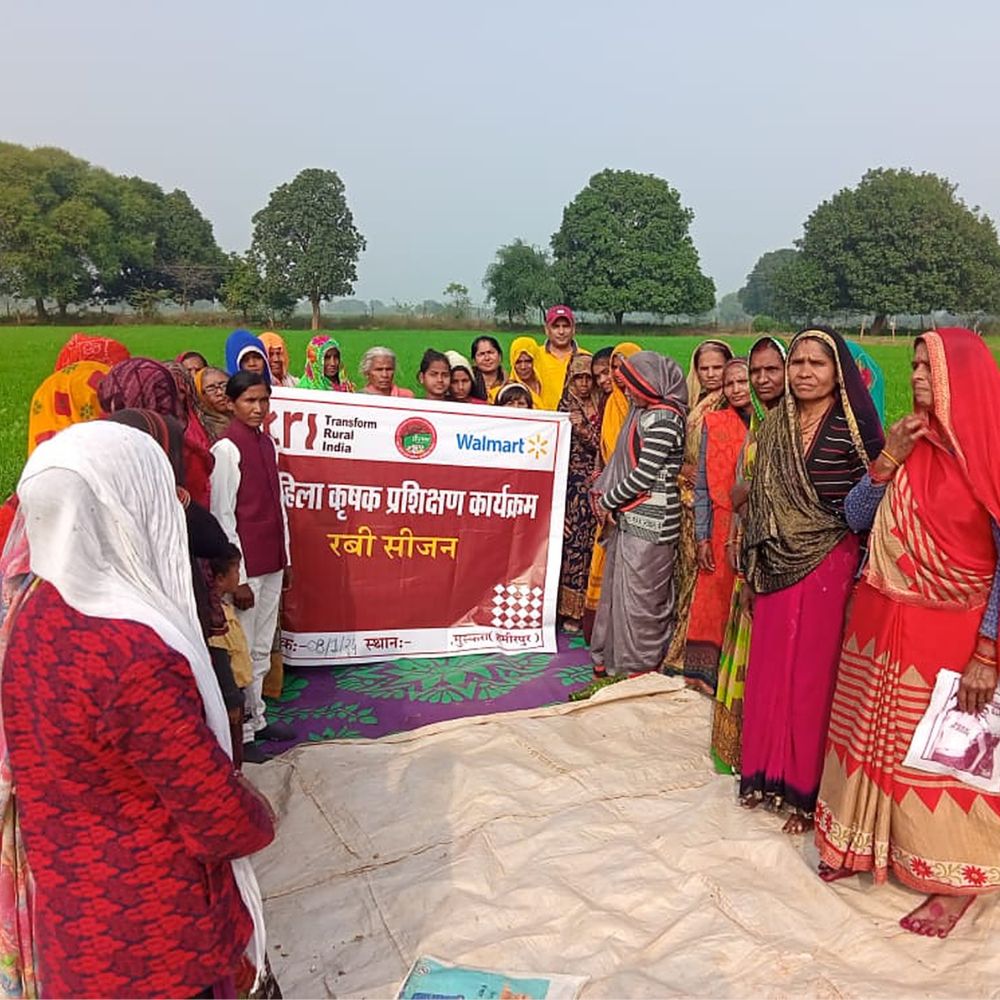
The opening came at a village meeting, where Jangjeet, a community resource person, spoke about new ways for families to raise their incomes. For the first time, Krishna realised that farming did not have to be her family’s only source of money and that other activities could run alongside it. Transform Rural India (TRI) supported her through training and capacity building, keeping her informed about seeds, crops and new technology and helping her connect to markets.
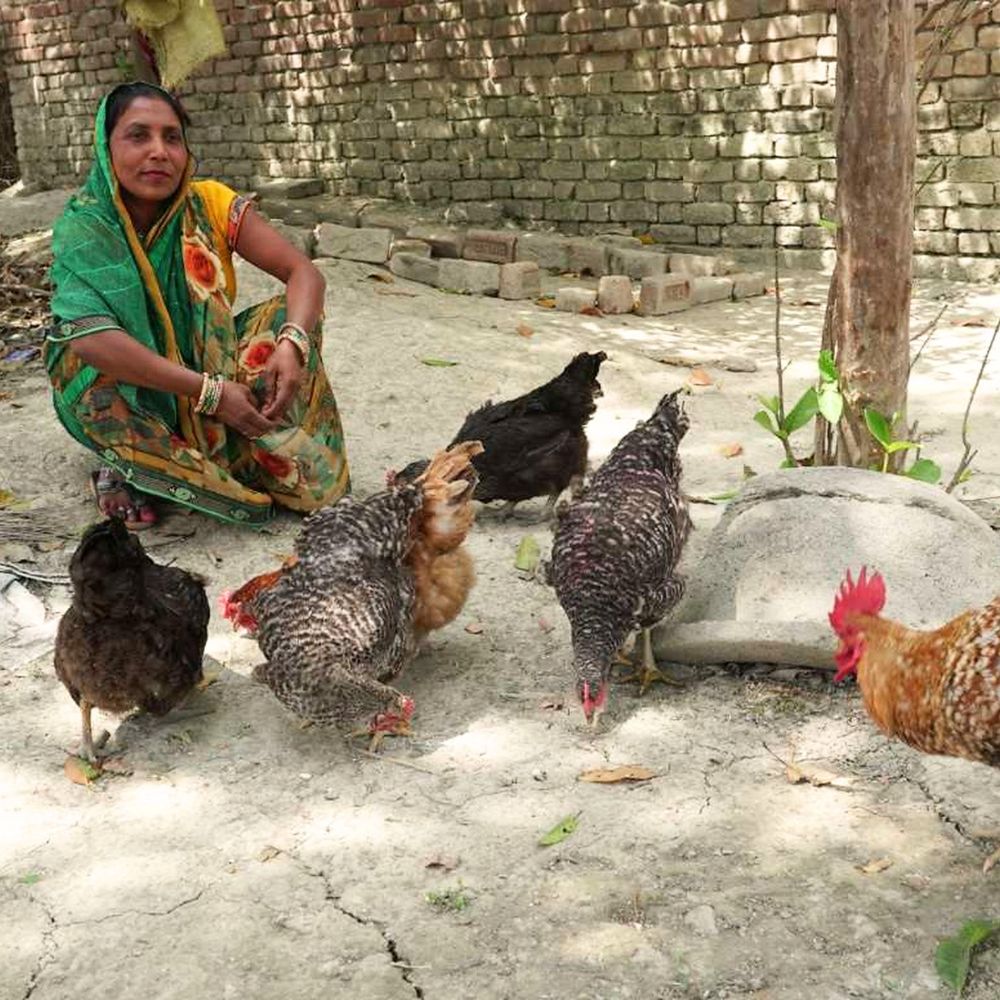
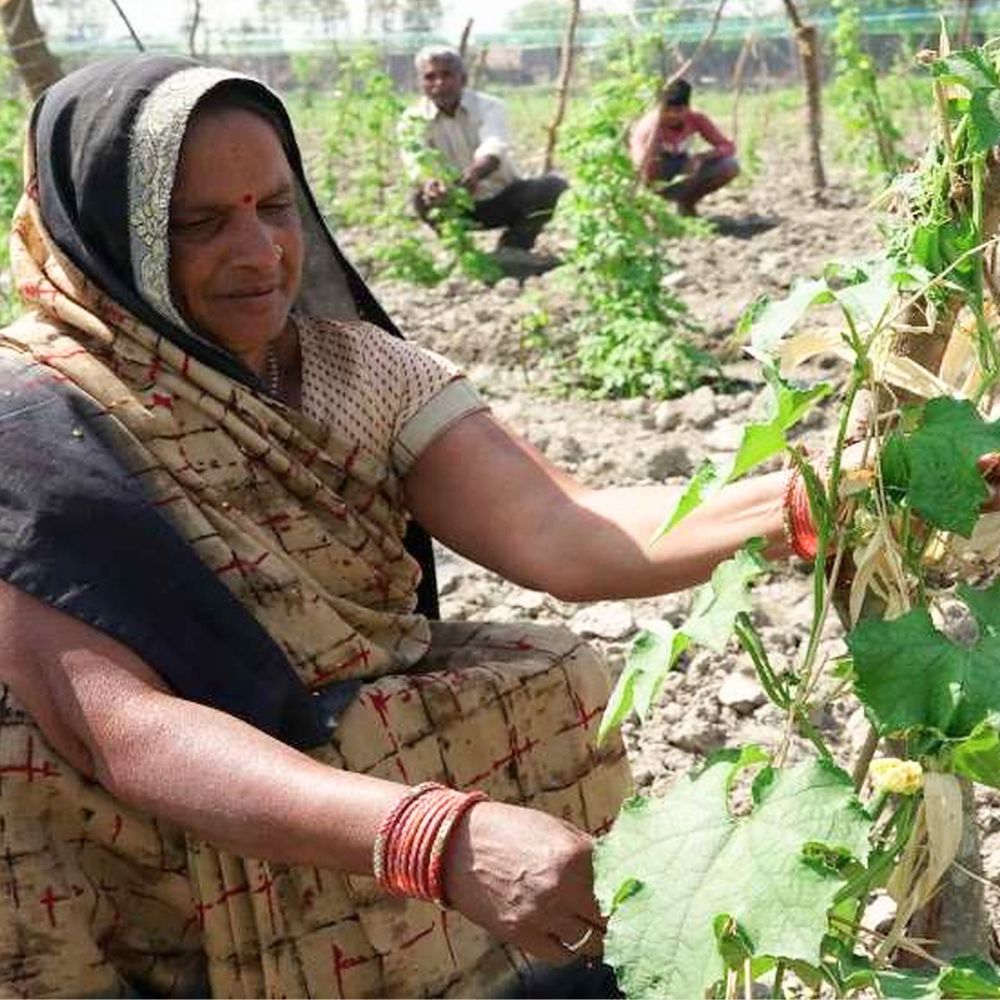
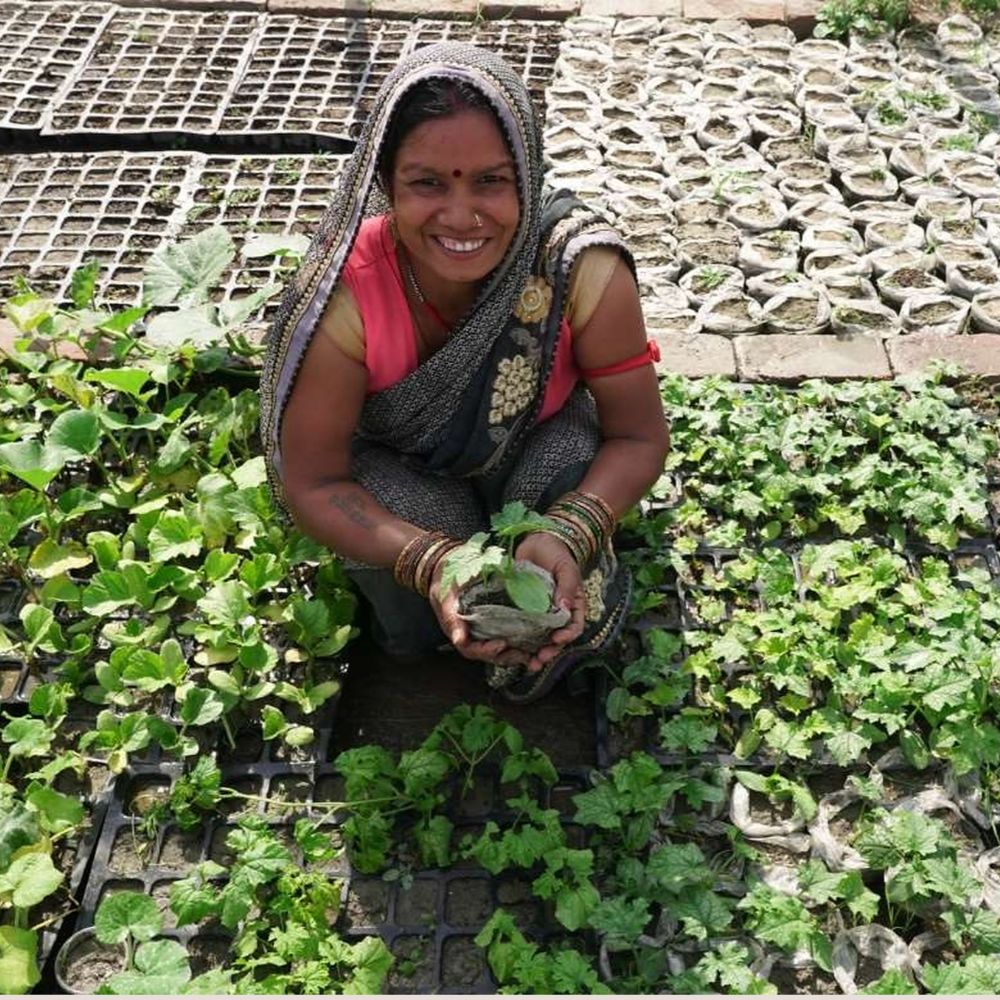
With Jangjeet’s guidance, she started three ventures at once. She set aside a small plot as a sugarcane nursery to raise planting material, began fish farming and took up poultry. Each started on a modest scale, and for a while the returns were small, but with hard work and the right advice her income began to grow steadily.
Today the three ventures work together in a way her farm alone never could. Selling fish gives her a regular income, while eggs and grown chickens bring in cash almost every day. Sales from the sugarcane nursery add further earnings during the season when farmers need planting material. Instead of waiting months for a single harvest, the family now has money coming in throughout the year, which has made running the household far easier.
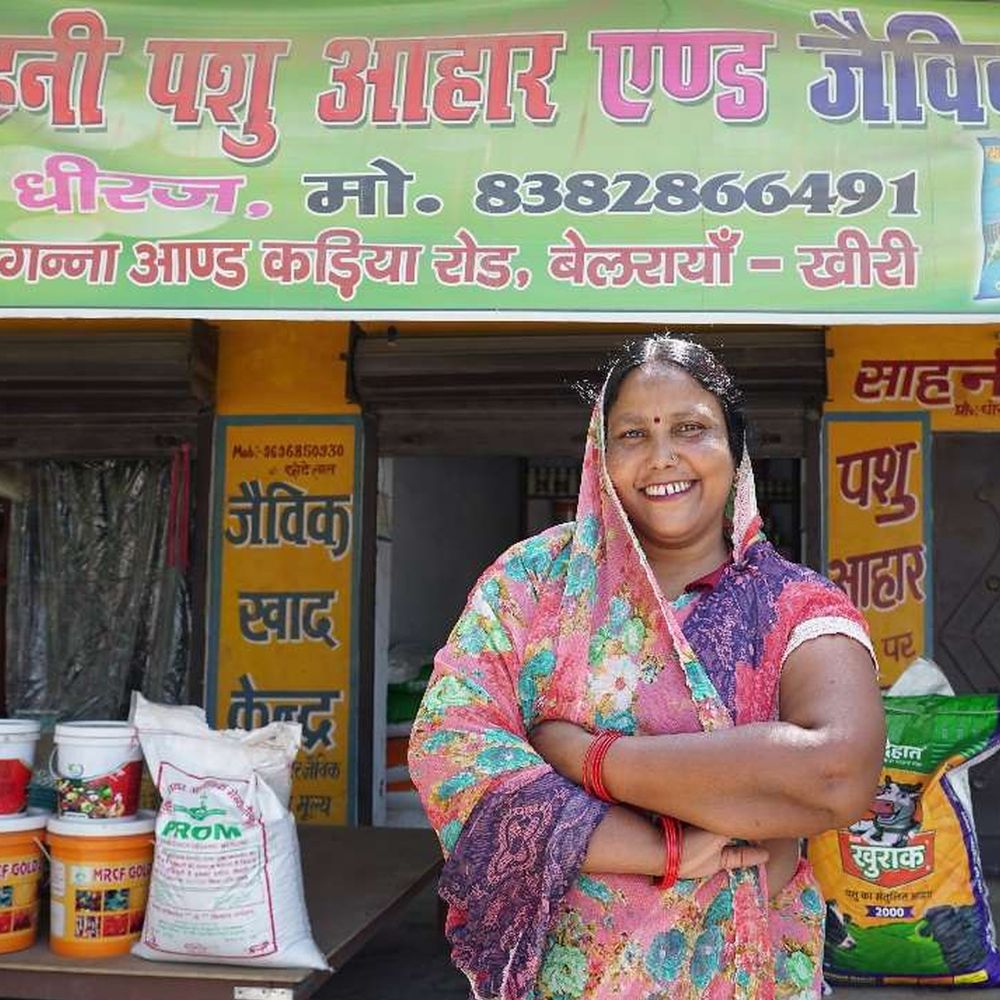
Her success has also made her a source of inspiration in the village. Neighbours who once saw a family struggling now see what becomes possible when farming is combined with other livelihoods, and her example shows that a household does not need large investments to change its fortunes.
Krishna’s story shows how a little knowledge and the courage to start small can turn one uncertain income into several reliable ones. As more families in Nighasan learn to build livelihoods alongside farming, fewer of them will be left exposed when a single harvest fails.
For Krishna, the lesson is simple. “With the right guidance and courage, even a small venture can grow into something big.”