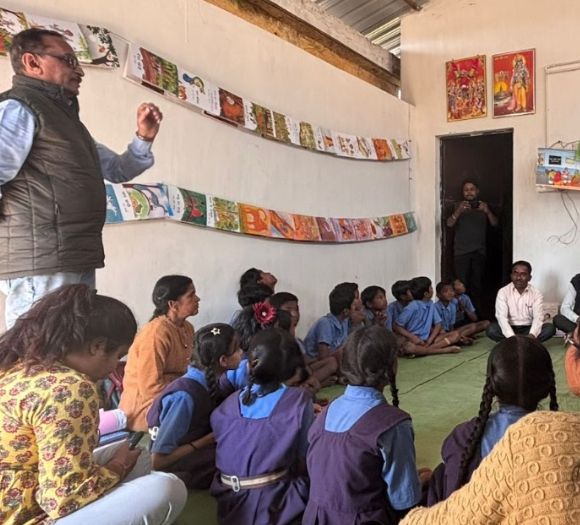
On some afternoons in Kondagaon block in Chhattisgarh’s Bastar region, children gather in a small room that now serves as their village library. The space might be a community hall, a panchayat building, or sometimes even a corner of a volunteer’s home. Books are laid out, children sit together, and a story begins. Soon the room fills with voices, children listening, laughing, and joining in the activities that follow.
These gatherings are part of the Community Library cum Learning Centre initiative that began in January this year across villages in Kondagaon block. The initiative focuses on children between the ages of 6 and 14 from 40 villages in the block. So far, 30 community libraries have been established, with the aim of making all 40 fully operational by March 2026.
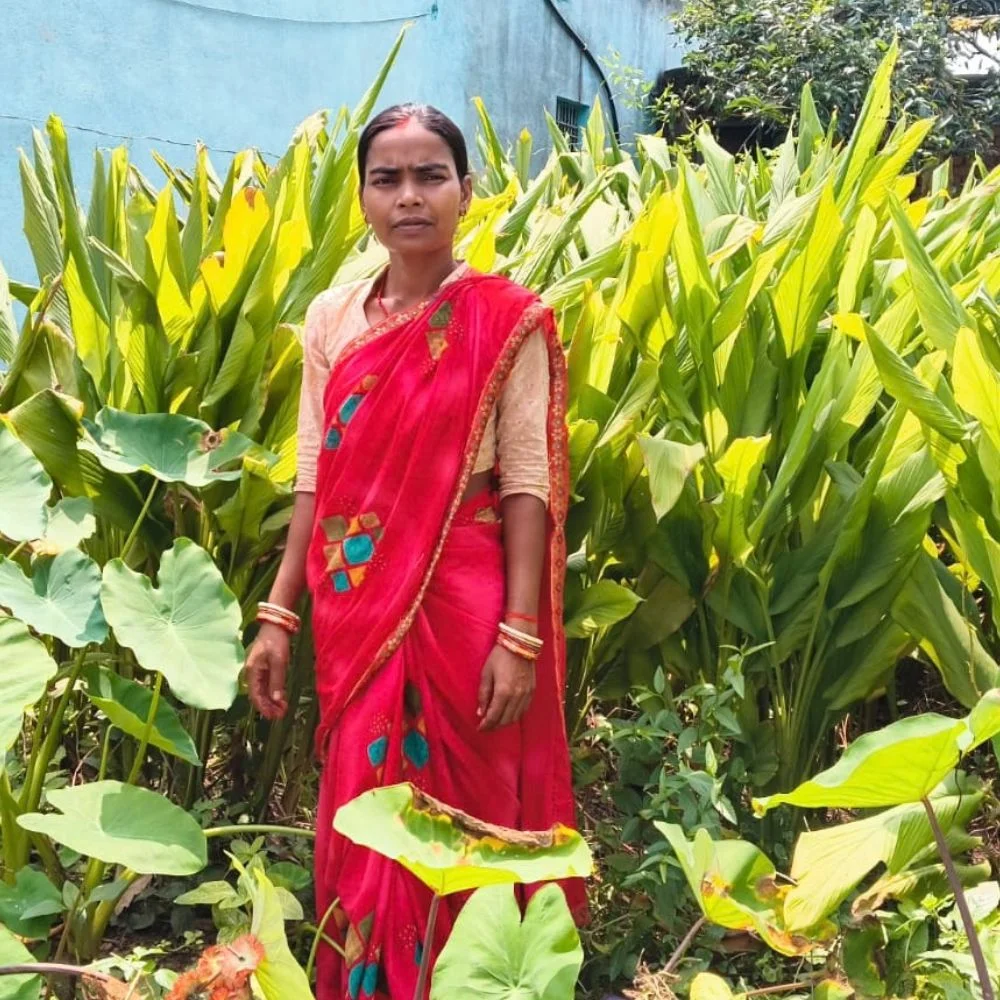
At the heart of each library are Transform Rural India (TRI) empowered Education Change Vector Didis from the village. Two volunteers from every village have come forward to support the initiative, bringing the total number of Change Vector Didis to 80. Many of them first expressed their interest during the CLF visioning exercise and conversations held at Village Organisation meetings. With support from Village Organisations, Panchayati Raj Institution members and school teachers, they now help organise and manage the library activities.
Helped with TRI’s team of development designers each library has been provided with around 190 storybooks in Hindi and Gondi languages. The Change Vector Didis spend time reading stories aloud, encouraging children to explore the books, and organising small games and plays that keep them engaged. What begins as a story often turns into an afternoon of shared learning.
Once every month, the village hosts a Bal Mela. These gatherings bring together children and members of the community to celebrate what the children have been learning. Parents and community members join in, creating a space where learning is visible and shared.
The initiative has grown out of the learning realities in the region. Kondagaon block records an overall literacy rate of around 57–60 percent, which is lower than both the state and national averages. Rural literacy levels are even lower, and there is a noticeable gender gap. While most children enrol in primary school, fewer continue into higher classes, and dropout rates increase at the secondary level. Many children are also first-generation learners, and language differences often make reading and comprehension more difficult.
The community libraries attempt to address these challenges in a simple way, by creating a space for reading and learning within the village itself. By bringing together PRI members, community-based organisations and the Education Department, the initiative seeks to strengthen children’s learning while also encouraging the community to take a greater role in education.
Village Organisations, Cluster Level Federations and their Social Action Sub-Committees also monitor the initiative regularly. Parents are encouraged to participate through Parent-Teacher Meetings and School Management Committees, helping create a supportive environment around children’s learning.
In these small village libraries, the focus is not only on books, but also on building curiosity and confidence among children. As stories are read, games are played, and communities gather, the libraries are slowly becoming spaces where children return again and again, to listen, to learn, and to imagine what comes next.