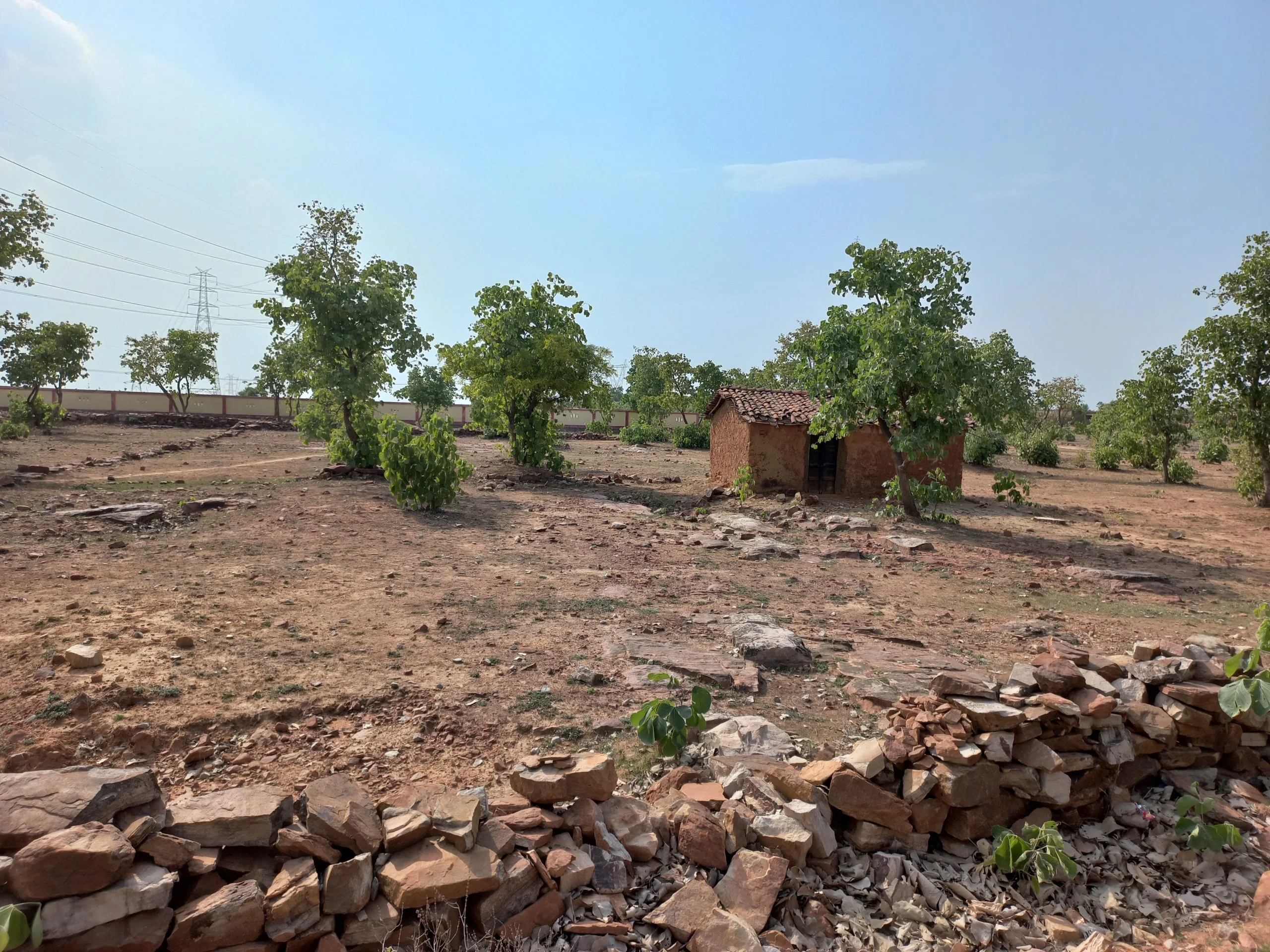
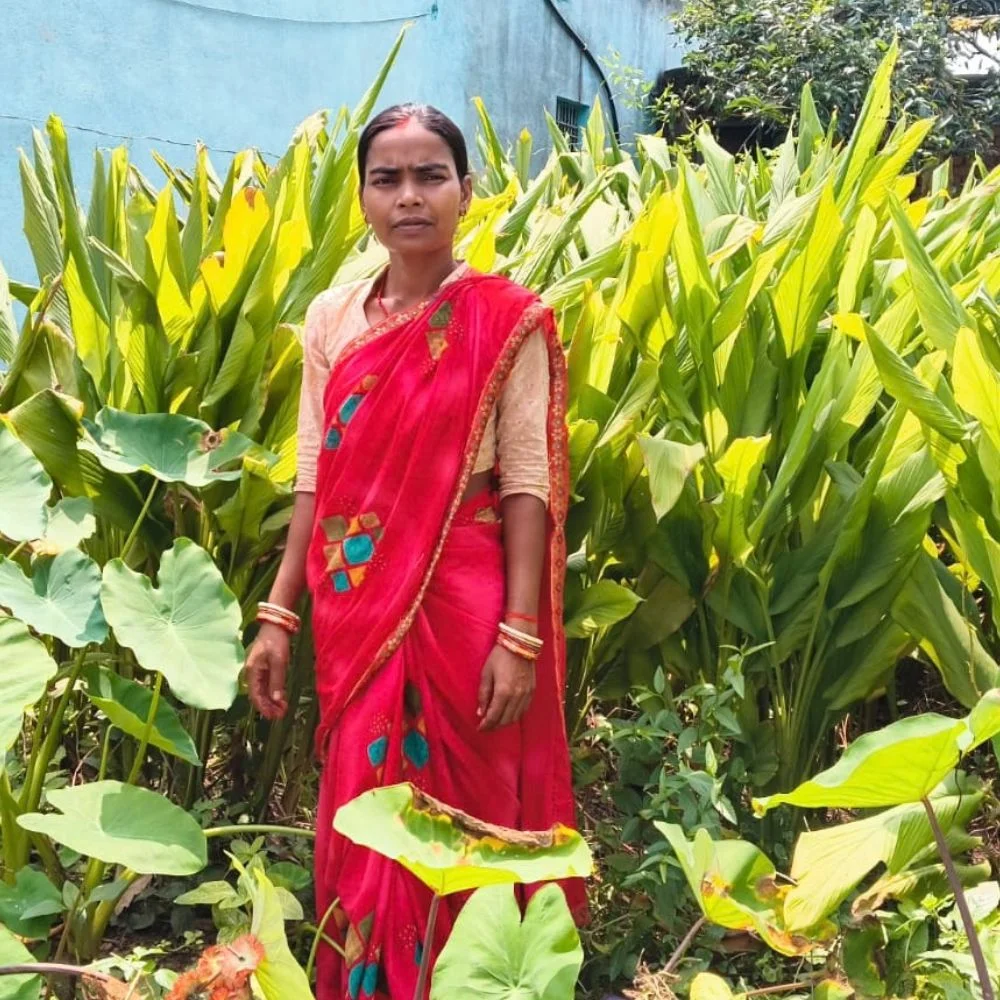
Mardapal Panchayat sits 30 kilometres from Kondagaon block headquarters, in a part of Chhattisgarh where most families live close to the rhythms of agriculture. Around 2,616 people call this panchayat home, nearly half of them from tribal communities and for most farming is not just a livelihood. It is the primary way of managing uncertainty, season after season. That uncertainty has its own texture here. Harvests depend on rain, income comes in uneven waves and planning for the future is difficult when the ground beneath that planning keeps shifting.
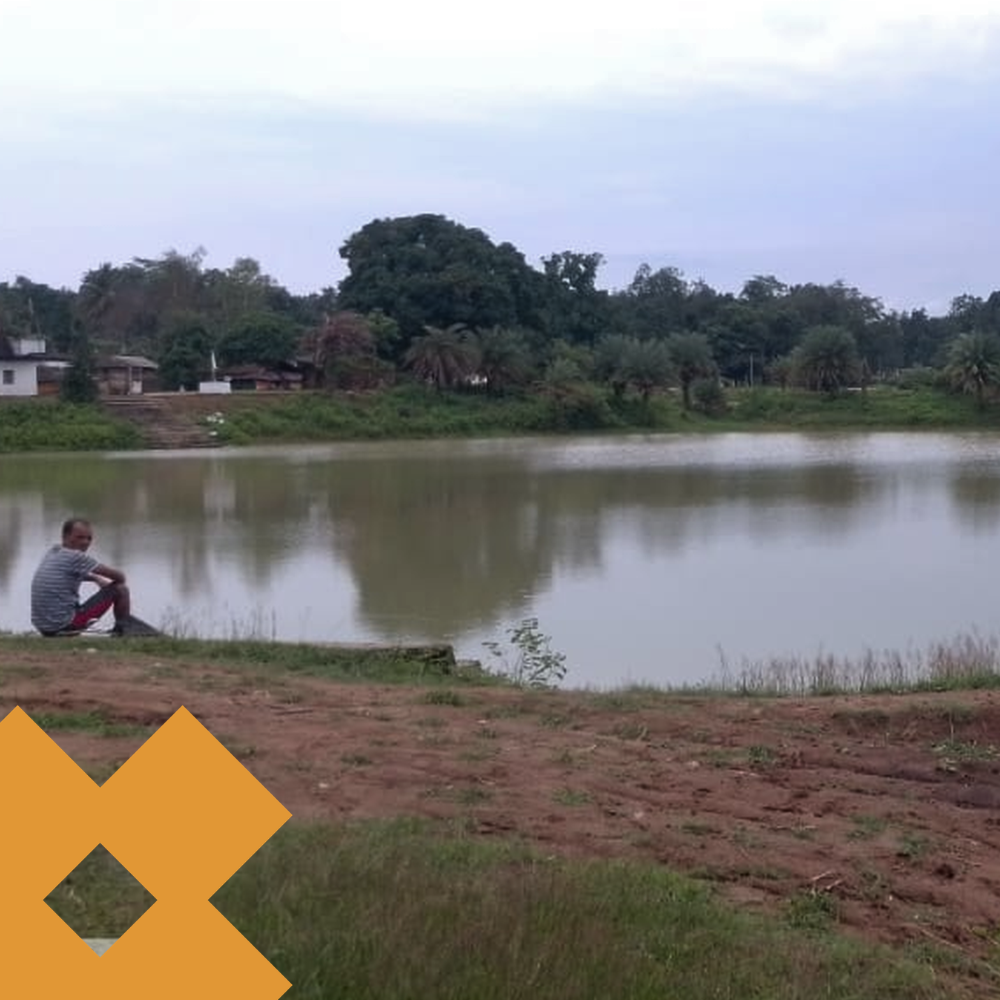
At the same time, the village was not without its own resources. Sixteen ponds were scattered across the landscape, holding water that had long been part of Mardapal’s natural system. Yet nine of these remained largely unused, not because their potential was unknown, but because the awareness, collective organisation and institutional linkages required to act on that potential were not in place. Fish farming had surfaced in conversations before, but without the support to move from idea to action, it had not progressed further.
It was at a Block Level Coordination Committee meeting held in July 2025 at Kondagaon that something shifted. The meeting brought together a diverse set of stakeholders, ranging from government departments to Cluster Level Federations (CLFs). It is in this meeting that the Fisheries Department of the state presented details of a scheme called ‘Fingerling Kraya Kar Sanchayan’, designed to promote collective fish farming in community ponds. The Jai Maa Karma Cluster Level Federation of Mardapal was present at that meeting and recognised what this could mean for the village With facilitation support from Transform Rural India (TRI), the CLF began engaging with farmers in the panchayat to explore whether this was something they wanted to pursue collectively.
This is where TRI’s locality compact model, which brings together local institutions, communities and bureaucracy together to work on practical solutions with a collective vision, began to take shape on the ground. By getting together the Gram Panchayat, community-based institutions such as the CLF and SHGs, and line departments like Fisheries, the process focused on aligning existing resources, institutions and schemes rather than introducing parallel structures.
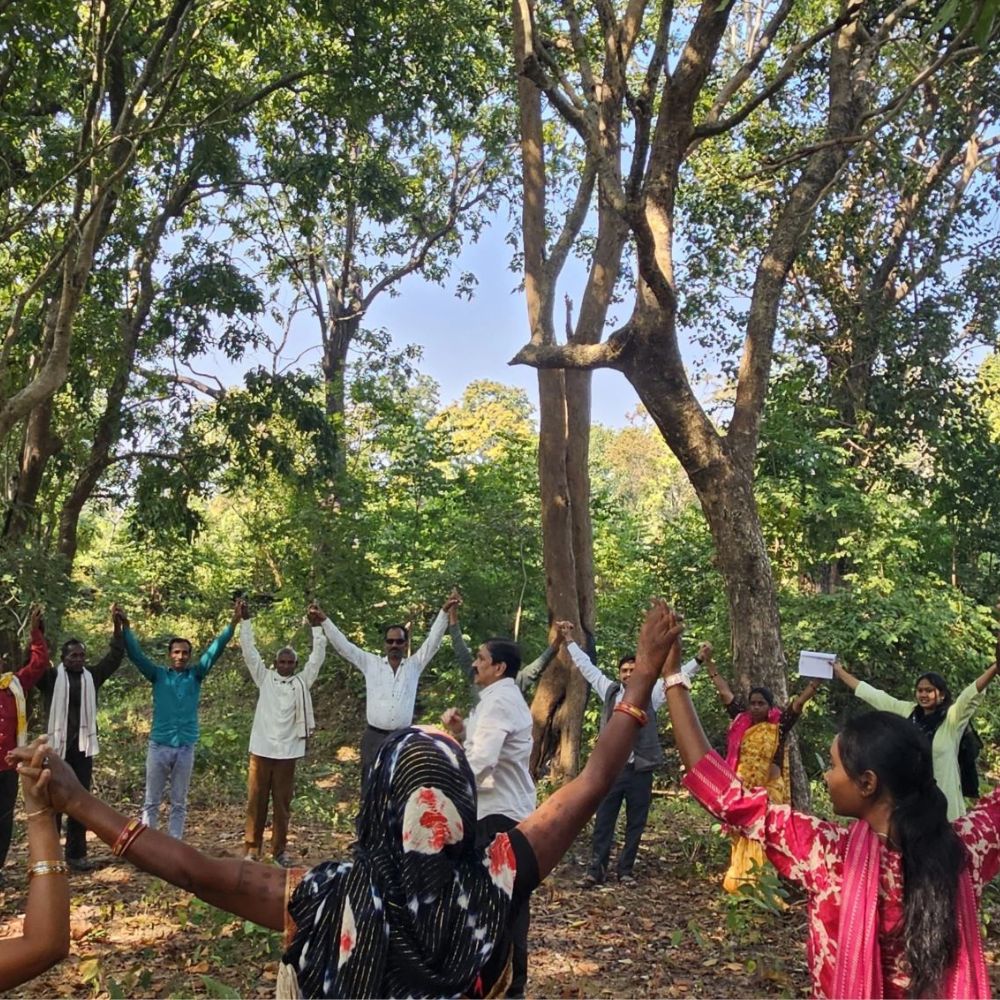
Those conversations took time. TRI and the Jai Maa Karma CLF worked alongside the Mardapal Panchayat to explain, in practical terms, what collective aquaculture would involve, what income it could generate and how government support could reduce the financial risk of getting started. Gradually, a group of 20 farmers came forward, willing to take this up as a shared effort.
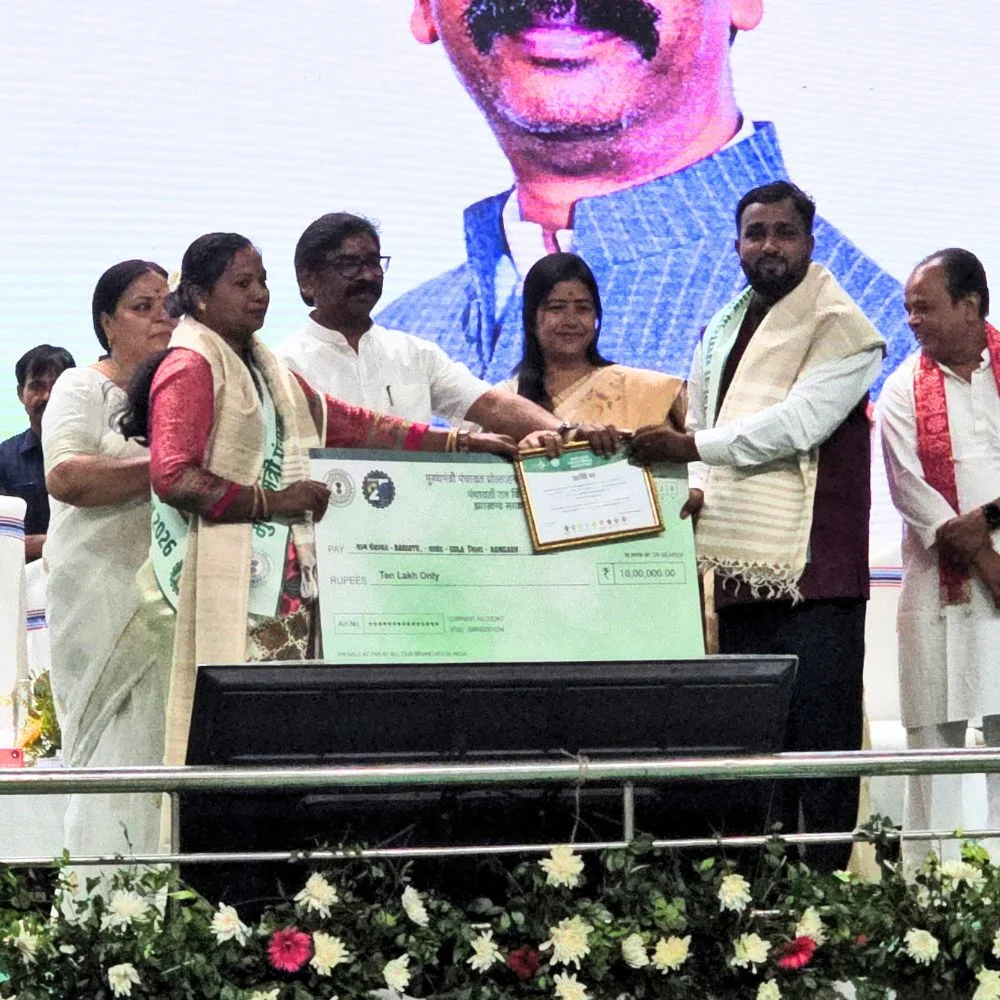
The Gram Panchayat agreed to lease two community ponds to the group. Together, the ponds cover 8 acres of water and the lease runs for 10 years, giving the farmers the kind of long-term security that makes it worth investing time and labour into something. With that institutional arrangement in place, the Fisheries Department stepped in with support: 30 kilograms of fish fingerlings, provided at a 50 percent subsidy. Jayanti Kashyap, the Sarpanch of Mardapal, received the fingerlings from the department, marking the formal beginning of an effort built over months of coordination.
The 20 farmers are now engaged in fish farming across these two ponds, water bodies that had remained underused for years and are now functioning as shared livelihood assets. What has changed is not only how the ponds are used, but also how farmers relate to each other and to local institutions. Working collectively has built trust, strengthened cooperation and enabled shared decision-making. Farmers are also gaining a clearer understanding of how to access government schemes through coordination with the Panchayat and line departments.
The initiative also demonstrates how community resources can be activated through institutional convergence. For the CLF and the Gram Panchayat, it reflects a shift from parallel functioning to coordinated action, where existing assets, schemes and institutions are brought together effectively.
The work in Mardapal is still in its early stages. Harvests are ahead, and there is more to learn about how the group manages the ponds over time and how incomes evolve. But the foundation is in place: a 10-year lease, a functioning collective, an active institutional partnership and two ponds that are providing stable livelihood opportunities to the local community. Environmentally, the initiative also demonstrates how existing water bodies can be used more efficiently, without creating additional pressure on natural resources.
What is emerging in Mardapal is a model built not on new resources, but on better alignment of existing ones. It offers a practical pathway for other panchayats to strengthen livelihoods through collective action and institutional convergence.