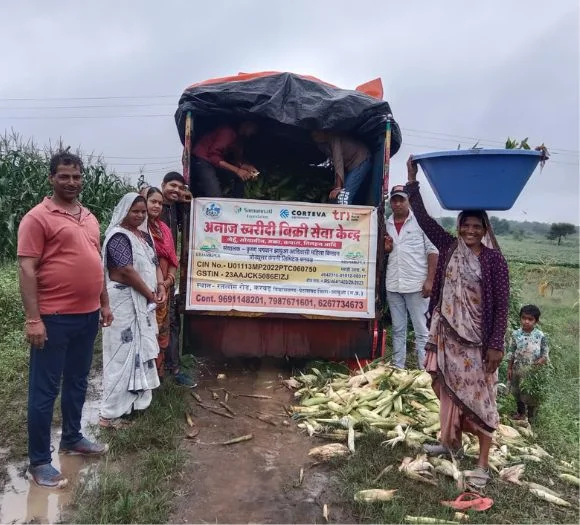
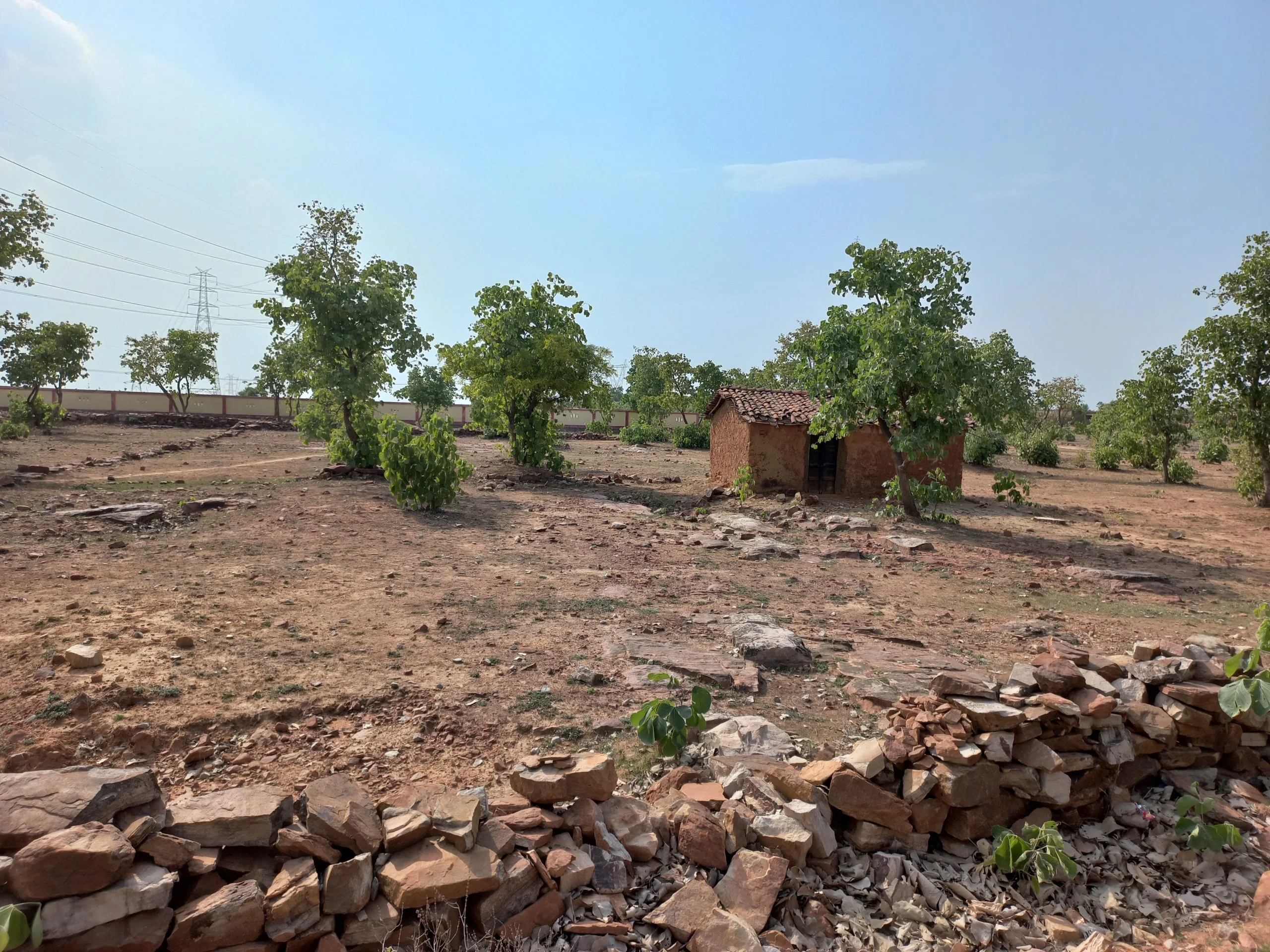
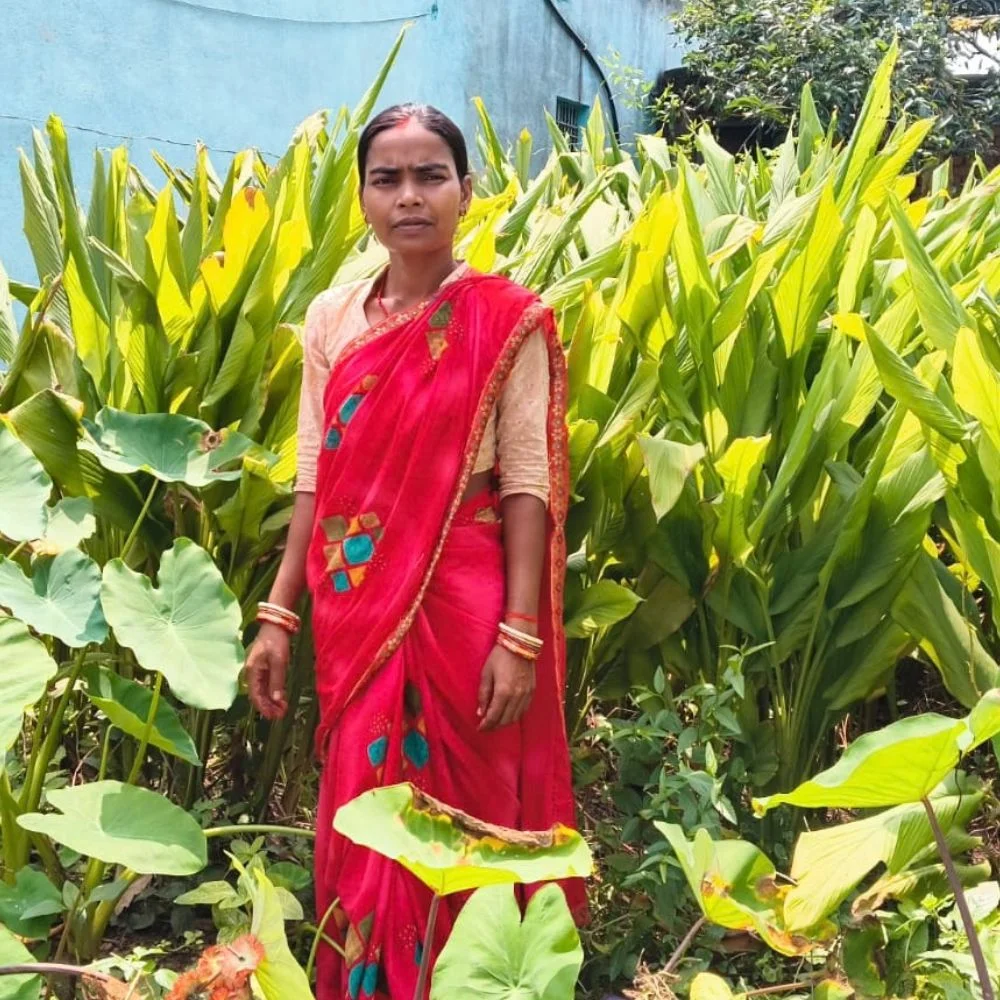
Margaon village in the agricultural plains of Chhattisgarh’s Rajnandgaon district is home to around 2,670 people across 389 households who depend largely on paddy cultivation for survival. And yet, for many families, agriculture alone is not enough. Between harvests, households turn to wage labour or migrate to nearby towns like Durg and Raipur, caught between staying and leaving in search of more secure incomes.
Village institutions are active and deeply embedded in everyday life, Self-Help Groups (SHGs), Village Organisations (VOs), Gram Sabha platforms, and Panchayati Raj Institutions (PRIs) all play a role in shaping development priorities. The Gram Panchayat Development Plan (GPDP) was being prepared regularly, while SHG women were identifying needs through the Village Poverty Reduction Plan (VPRP), along with the Social Development Plan (SDP) and Participatory Gram Sabha for Rural Development (PGSRD).
Yet, these processes were not always aligned. Community priorities existed and Panchayat planning existed, but they were not consistently informing each other.
This is where Transform Rural India (TRI), in collaboration with the Hindustan Unilever Foundation (HUF), worked with the village to strengthen convergence between community-led plans and PRI-led processes.
The effort focused on bringing Panchayati Raj Institutions (PRIs), Community-Based Organisations (CBOs), and local administration onto a shared planning platform. Three Village Organisations (VOs) began consolidating SHG-level plans, enabling women to bring their priorities into Gram Sabha discussions. PRI members were supported through structured planning exercises, including orientations on GPDP themes, Performance Assessment Indicators (PAI), and convergence mechanisms, while line departments aligned these priorities with existing schemes.
TRI teams facilitated this process by coordinating across stakeholders, building capacities, and ensuring that development priorities were systematically integrated into GPDP.
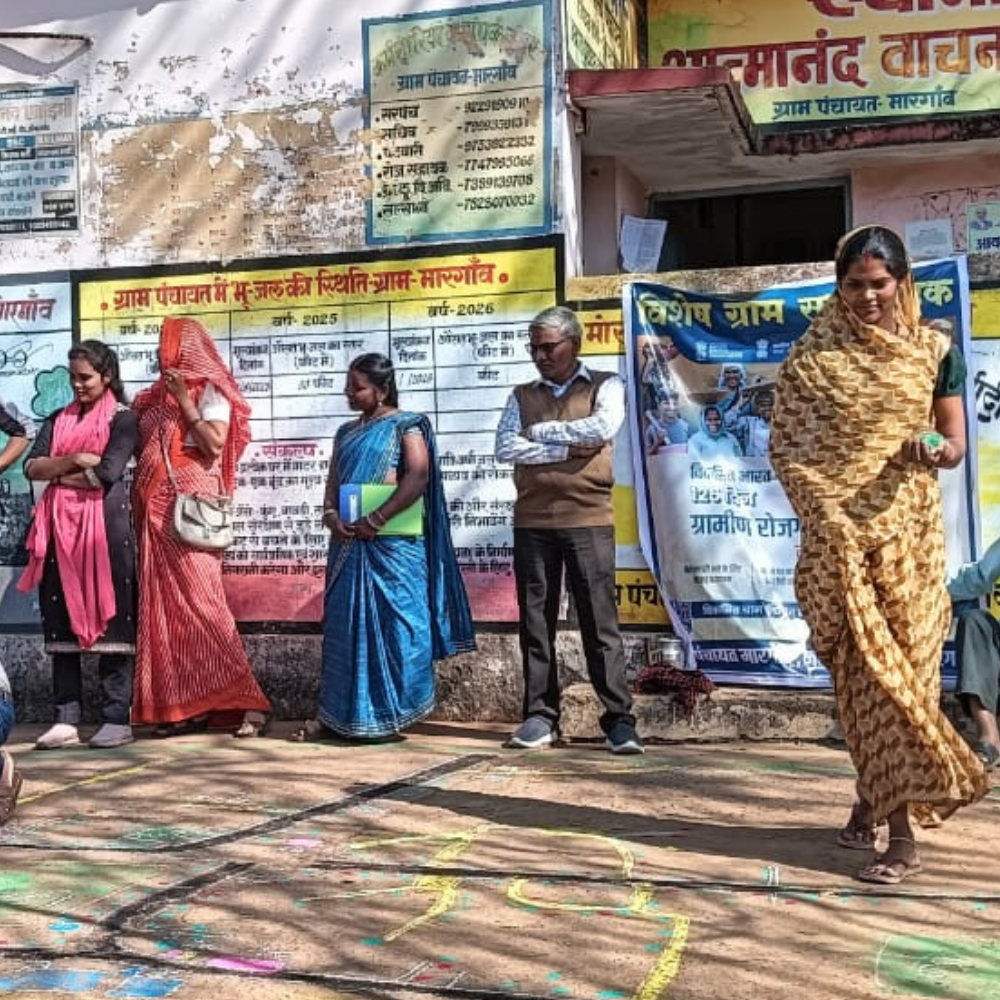
As a result, Gram Sabha meetings became more participatory and structured. Priorities raised by SHG women across livelihoods, health, education, and social inclusion found clearer space within Panchayat planning.
This was reflected across sectors. Livelihood priorities aligned with agriculture and allied schemes. Health and nutrition concerns were incorporated into planning discussions. Issues related to children, education, and inclusion began to find place within GPDP. Planning became less fragmented and more responsive to the realities of village life.
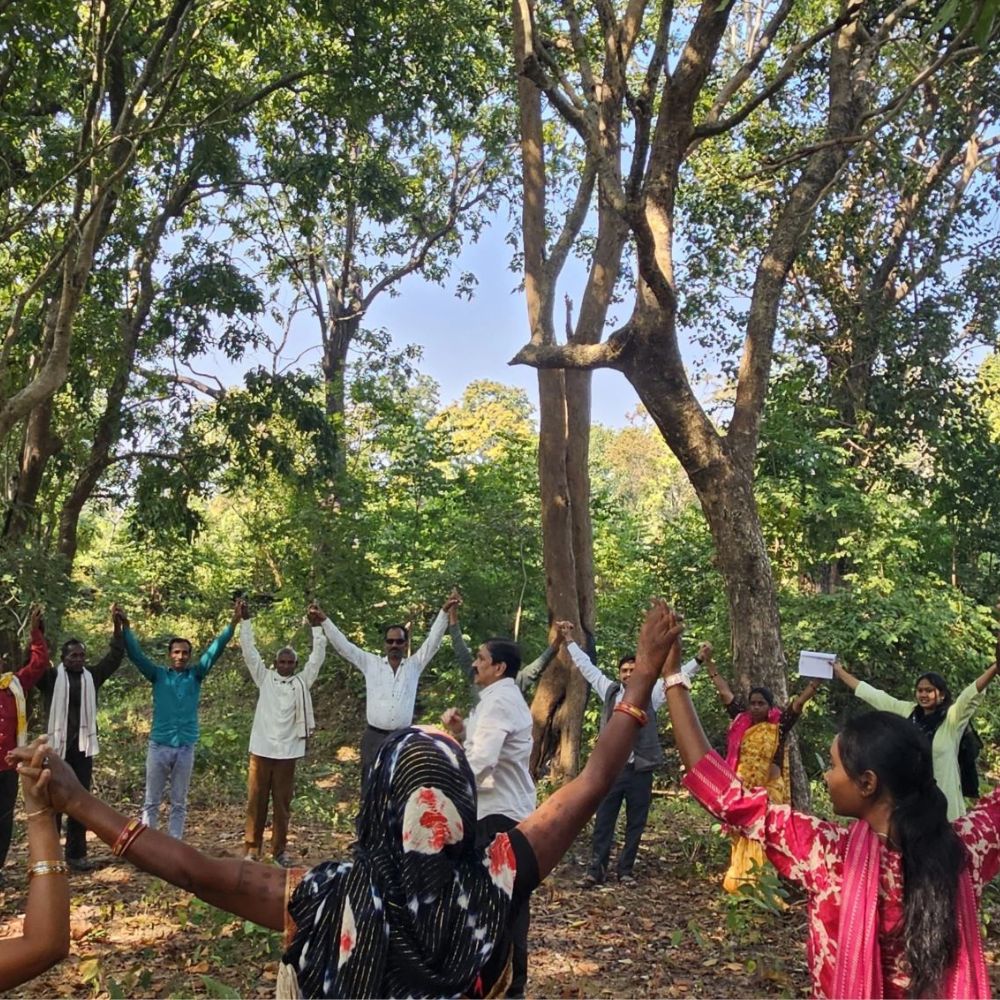
At the same time, institutional relationships strengthened. SHG women began participating more actively in village-level decision-making. Coordination between PRI representatives and community institutions improved. Gram Sabha spaces became more inclusive in practice.
Over time, GPDP in Margaon evolved into a shared platform, one where Panchayat decisions were increasingly informed by inputs from SHGs and VOs and where roles across institutions became clearer.
Importantly, this shift was achieved without additional financial resources. Planning and implementation were anchored within existing schemes, including GPDP, MGNREGA, Pradhan Mantri Awaas Yojana (PMAY), National Rural Livelihoods Mission (NRLM), and relevant departmental programmes, strengthening convergence rather than creating parallel systems.
Today, the process continues to hold. SHG women remain engaged in planning forums, Gram Sabha meetings are more structured, and coordination between institutions has strengthened. The approach is already showing potential for replication across neighbouring Panchayats.
As these processes deepen, their impact is beginning to extend beyond planning into livelihoods. Better alignment of schemes and priorities is creating more local opportunities, strengthening income pathways, and gradually reducing the need for distress-driven migration.