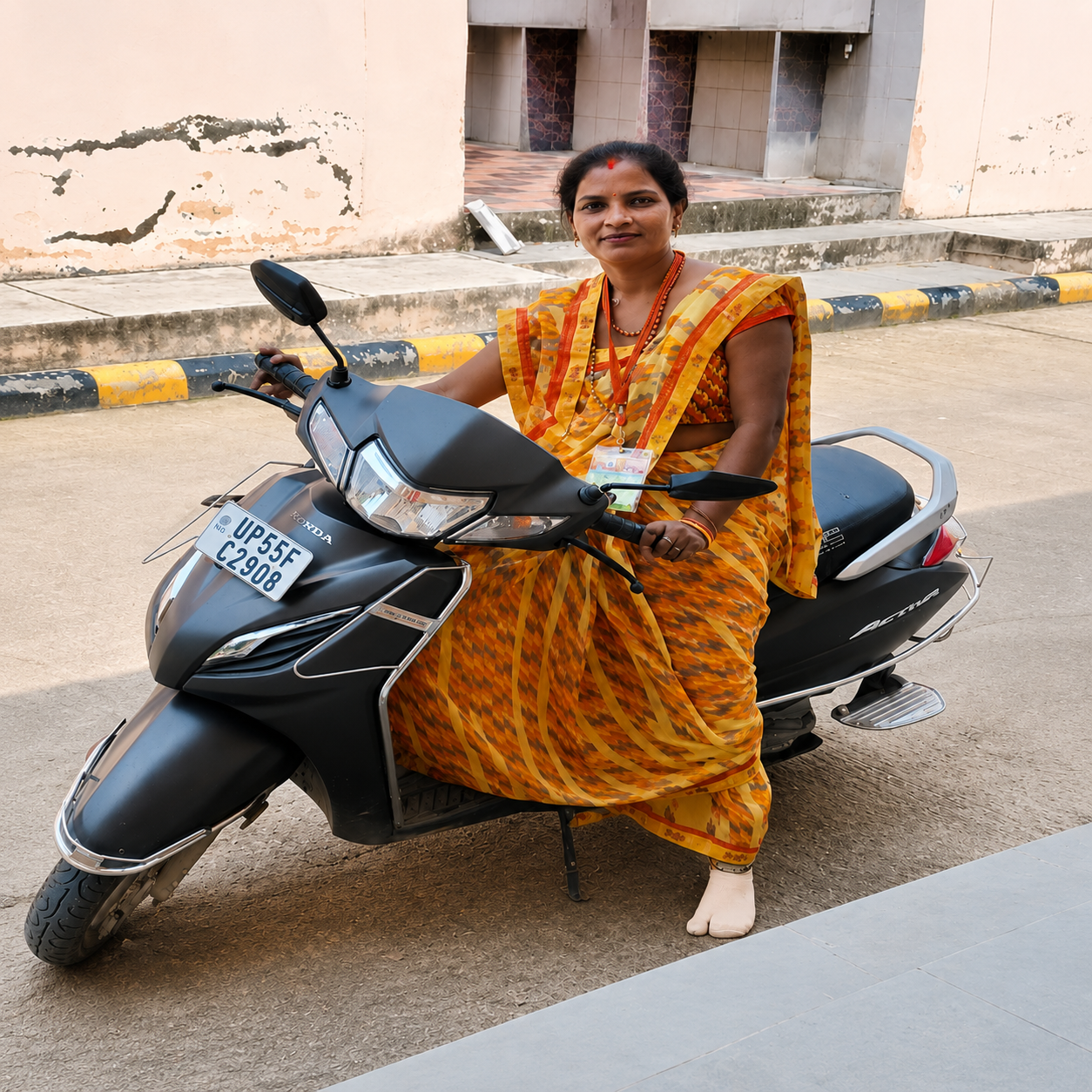
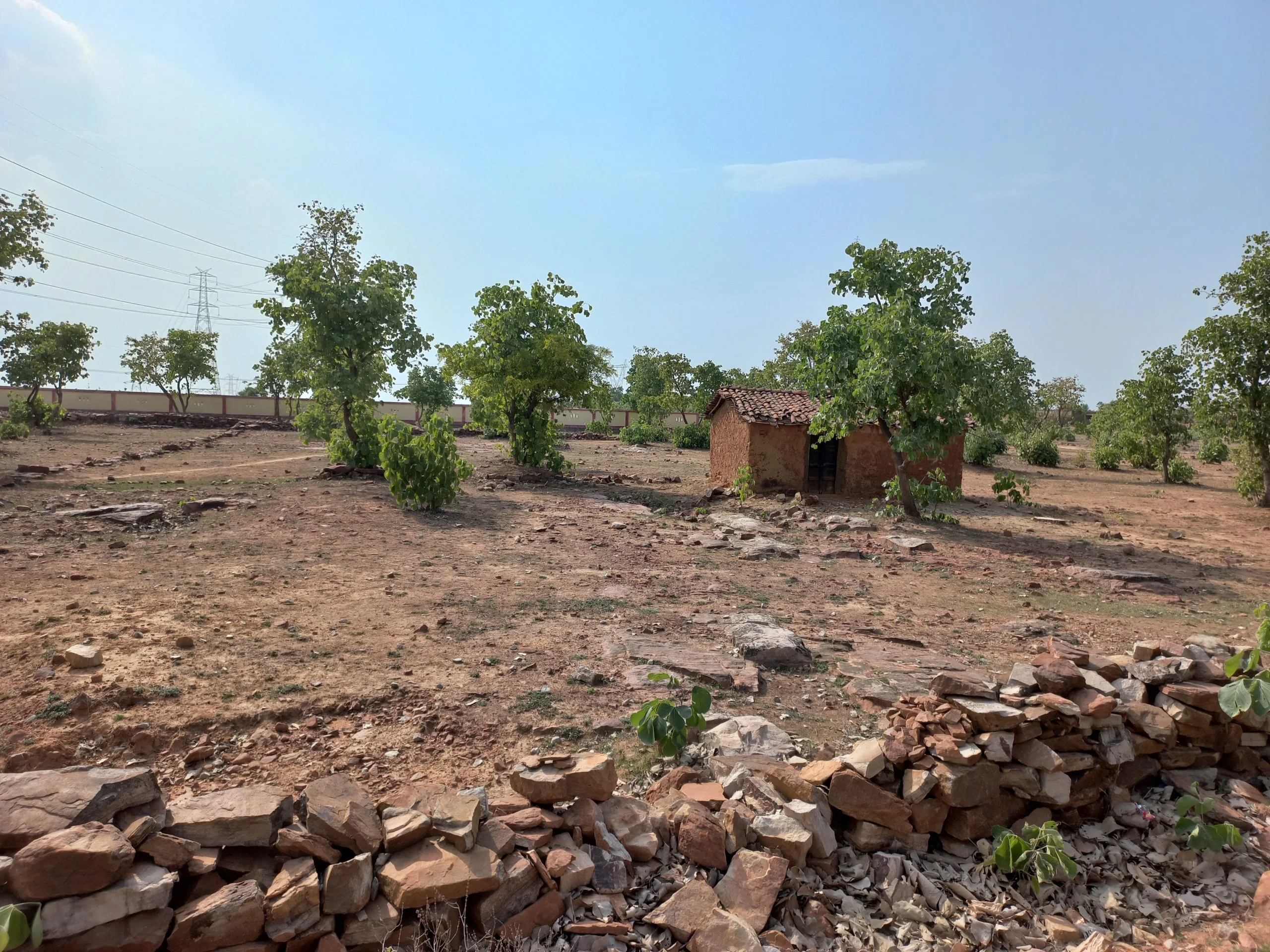
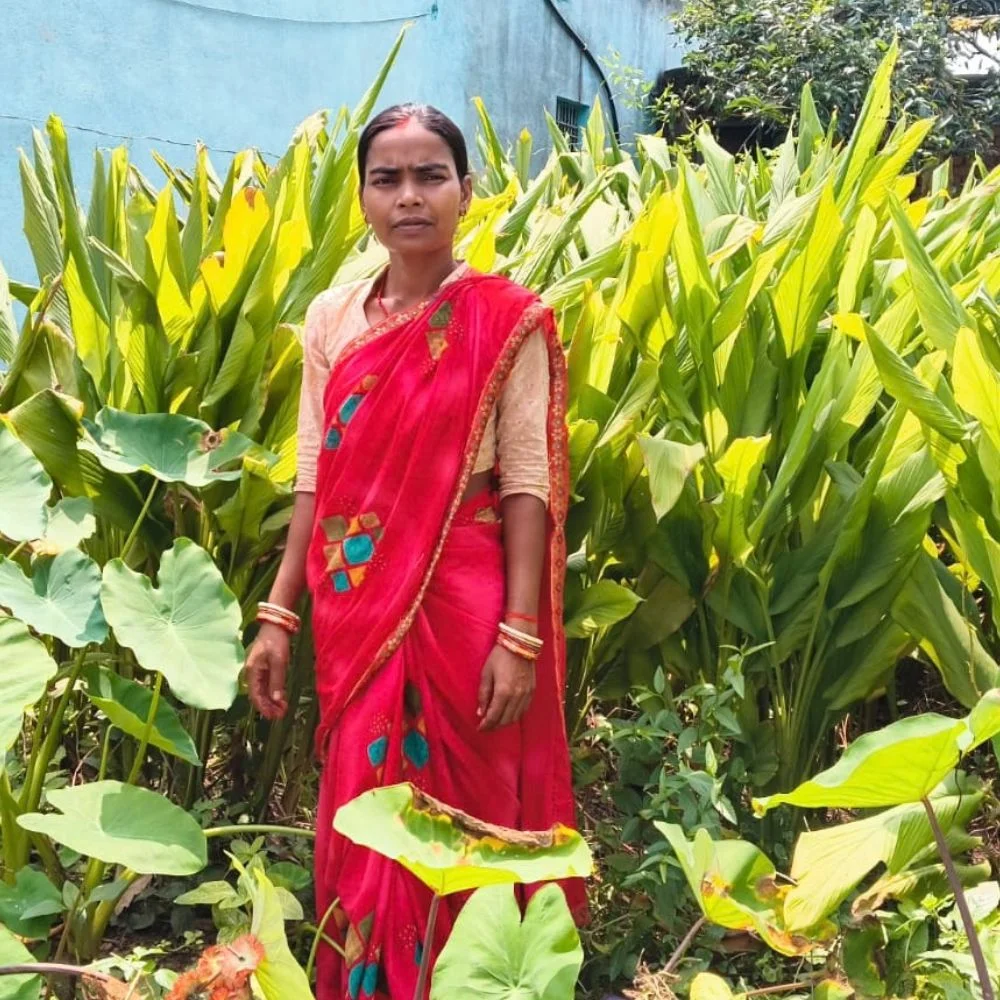
Urmila Patel, 32, lives in Gajipur village in Arajiline block of Varanasi, Uttar Pradesh. A college graduate, she lives in a mud house with her joint family. Until a few years ago, like many women in her community, her life was expected to remain within the boundaries of home.
Her husband Manoj worked as a daily wage labourer, and the family’s income was uncertain. With a large household to support, financial pressures were constant. At the same time, social norms in the village placed their own restrictions on women. The practice of ghunghat and the expectation that women stay indoors meant that stepping out for work or even community meetings often invited criticism. When Urmila began attending meetings outside her home, the taunts came quickly. She chose to continue.
In July 2017, Urmila joined a Self-Help Group (SHG) in the hope of strengthening her family’s income. What began as a practical financial decision gradually became a turning point in her life. Through the SHG ecosystem, she was selected as a community teacher and later trained as an Aajeevika Sakhi, supporting other women in accessing livelihood opportunities and government schemes. These roles brought in some income, but more importantly, they gave her confidence, exposure and a stronger sense of agency.
It was during Transform Rural India’s mobilisation efforts in Arajiline block that the team identified Urmila as someone with the motivation and potential to build a sustainable livelihood. TRI worked closely with her to encourage goat rearing as a viable economic activity, helping her see it not just as a supplementary income source but as something that could be built into a meaningful enterprise. With access to a loan through her SHG, Urmila started with a single goat.
Over time, she built her knowledge and expanded steadily. She later took up beekeeping as well, with support from the SHG network and government schemes. Today, she manages 25 to 30 goats, and the income from livestock has become a reliable pillar of her household economy.
TRI’s role extended beyond that initial livelihood intervention. As Urmila’s confidence and visibility grew, the organisation helped connect her to wider institutional platforms, including the Cluster Level Federation (CLF) and engagement opportunities across neighbouring villages. This helped transform what began as an individual livelihood initiative into something larger. Urmila became known not simply as someone who had benefited from a programme, but as a woman others could look to for guidance, encouragement, and practical learning.
This shift also reflects a broader systems change. When women are connected to community institutions, supported to build livelihoods, and recognised as capable leaders, the impact extends beyond a single household. Social norms begin to shift, peer learning becomes possible, and local systems start responding differently.
That is what happened in Urmila’s case. The Gram Panchayat appointed her as a Mahila Mate under MGNREGA, placing her in a formal role linked to local employment systems and community coordination. She was later elected Block President of the Mahila Mate network. Alongside this, she also makes necklaces as a side business, adding to the family’s income.
The transformation at home has been equally significant. Her husband, who had stepped back from consistent work, has now taken up contractor work in cement and construction, encouraged in part by the entrepreneurial activity Urmila began building at home. What changed was not only the family’s income, but its sense of direction and possibility.
Today, Urmila’s elderly father lives with the family, and her next goal is to start a poultry unit through another SHG loan to help support his needs.
Urmila’s journey is not just the story of one woman building a livelihood. It is a story of how confidence, community institutions, and the right support can help shift entrenched norms and create local leadership. She believes that if she could move forward, others can too, and she is determined to help them get there.