A few months ago, the idea that a group of women from Budni’s villages would be discussing packaging designs, customer orders, and Instagram content would have seemed unlikely. Most of them were known locally for making Rajgira (amaranth) laddus, a traditional and nutritious snack prepared in their homes using recipes passed down through generations. While the skill was widely respected, it rarely translated into a stable source of income.
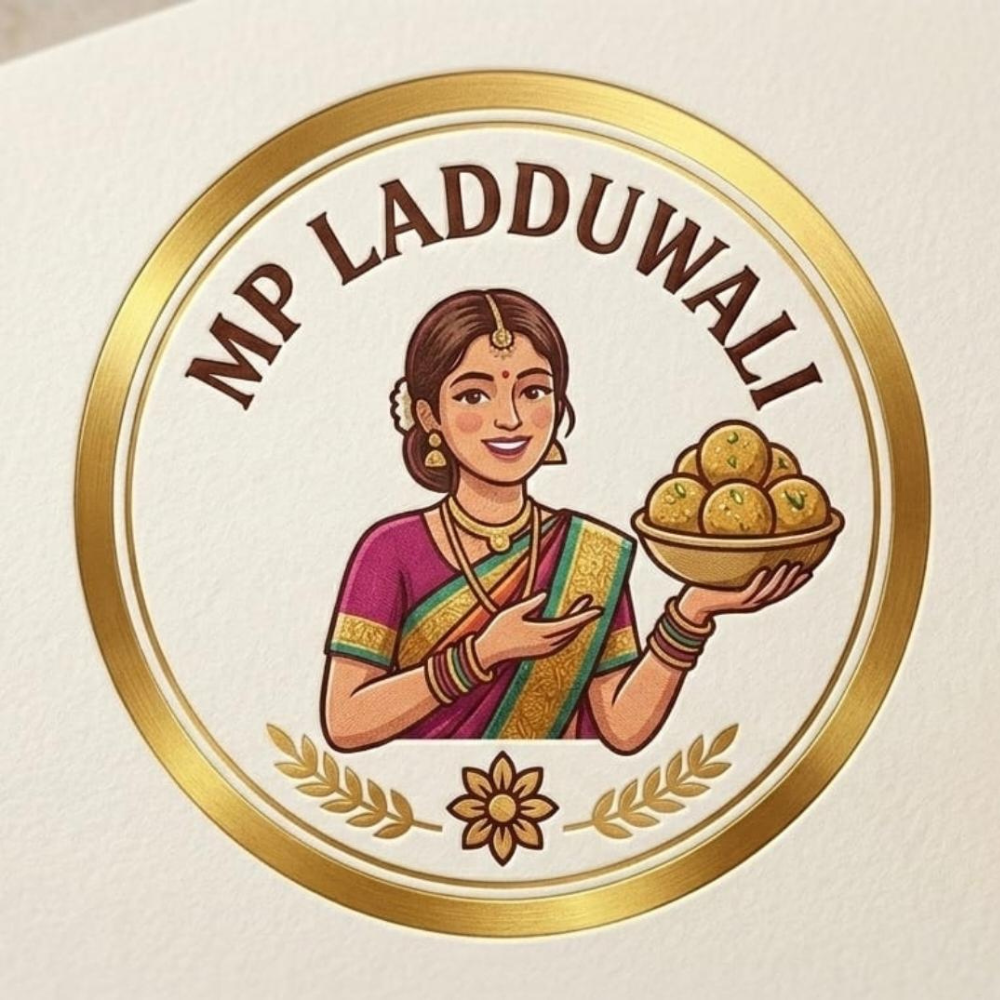
Today, those same women are building and marketing products under their own registered brand, MP Ladduwali.
The journey began with a simple question: what would it take to turn an existing skill into a viable enterprise?
The answer lay not in teaching women how to make laddus, they already knew that, but in creating the support system needed to help them reach customers beyond their immediate communities.
This support came through the WOW Hub (Work, Opportunity and Well-being Hub), an initiative of Transform Rural India (TRI). Designed as a “phygital” platform for rural youth and women, WOW Hubs combine physical spaces with digital tools to provide vocational training, enterprise incubation, market access support and business development services. In Budni, the Hub became a space where women could explore entrepreneurship, build confidence, and access opportunities that had previously been out of reach.
Working through the WOW Hub, TRI supported women entrepreneurs and self-help group members in strengthening every aspect of their enterprise. Participants received training on food safety and hygiene, packaging, branding, pricing, customer engagement, and business operations. They were connected to exhibitions, local markets, institutional buyers, and digital platforms that could help expand their reach.
One of the most significant outcomes has been the creation of the MP Ladduwali brand itself. What was once sold informally now carries a distinct identity. Products are packaged professionally, quality standards are being maintained, and customers can recognise and return to a trusted brand.
The women have also embraced digital visibility. MP Ladduwali now has its own Instagram presence, allowing customers to discover the products online and helping the entrepreneurs tell their own story beyond Budni. For many participants, this is their first experience of promoting a business through digital platforms and engaging directly with a wider customer base.
The transformation extends beyond branding and sales. Many women who initially hesitated to describe themselves as entrepreneurs are now actively involved in decisions related to production, pricing, marketing, and business growth. They are not only producing laddus; they are building an enterprise around a product they have known all their lives.
The work is still evolving. Expanding market linkages, increasing production capacity, and building a sustainable customer base remain important priorities. Yet the foundations are firmly in place.
MP Ladduwali demonstrates what can happen when traditional knowledge is combined with the right ecosystem of support. In Budni, a familiar household skill is becoming the basis of a growing women-led enterprise, one that carries local identity, economic opportunity, and entrepreneurial ambition in equal measure.