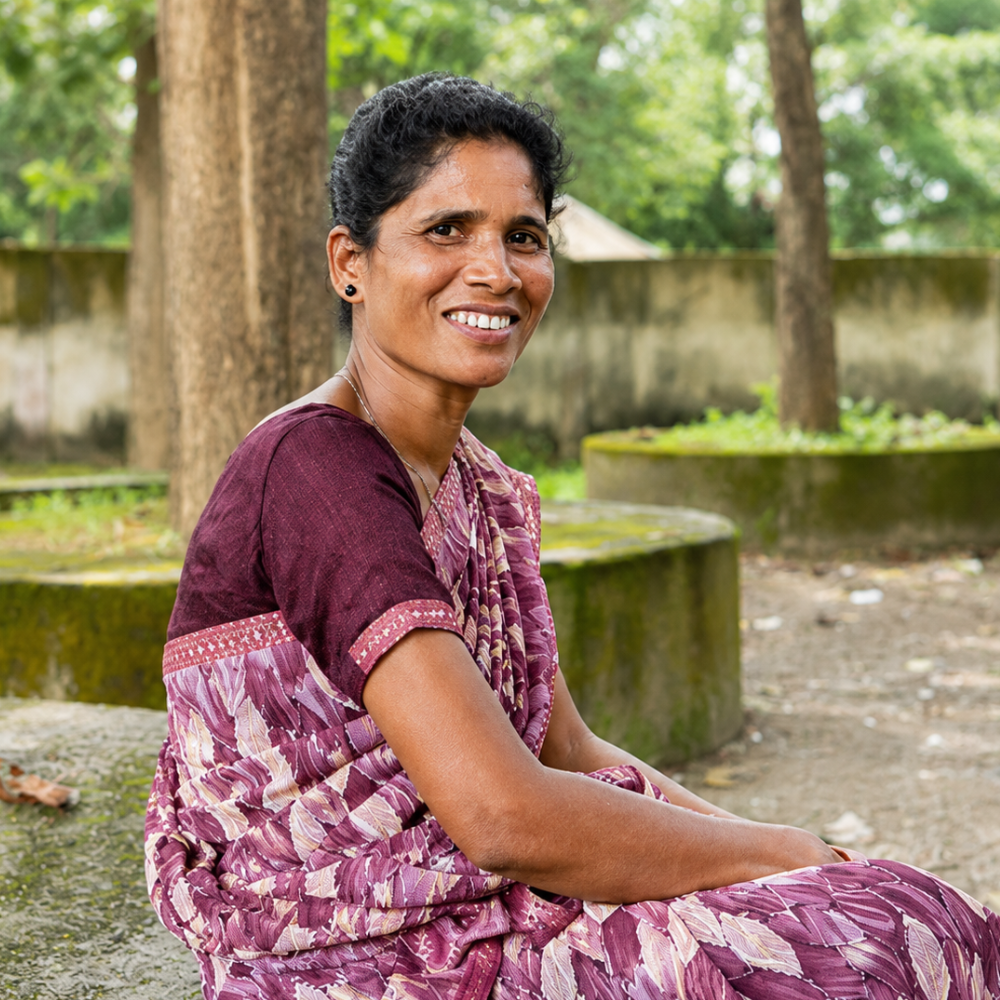
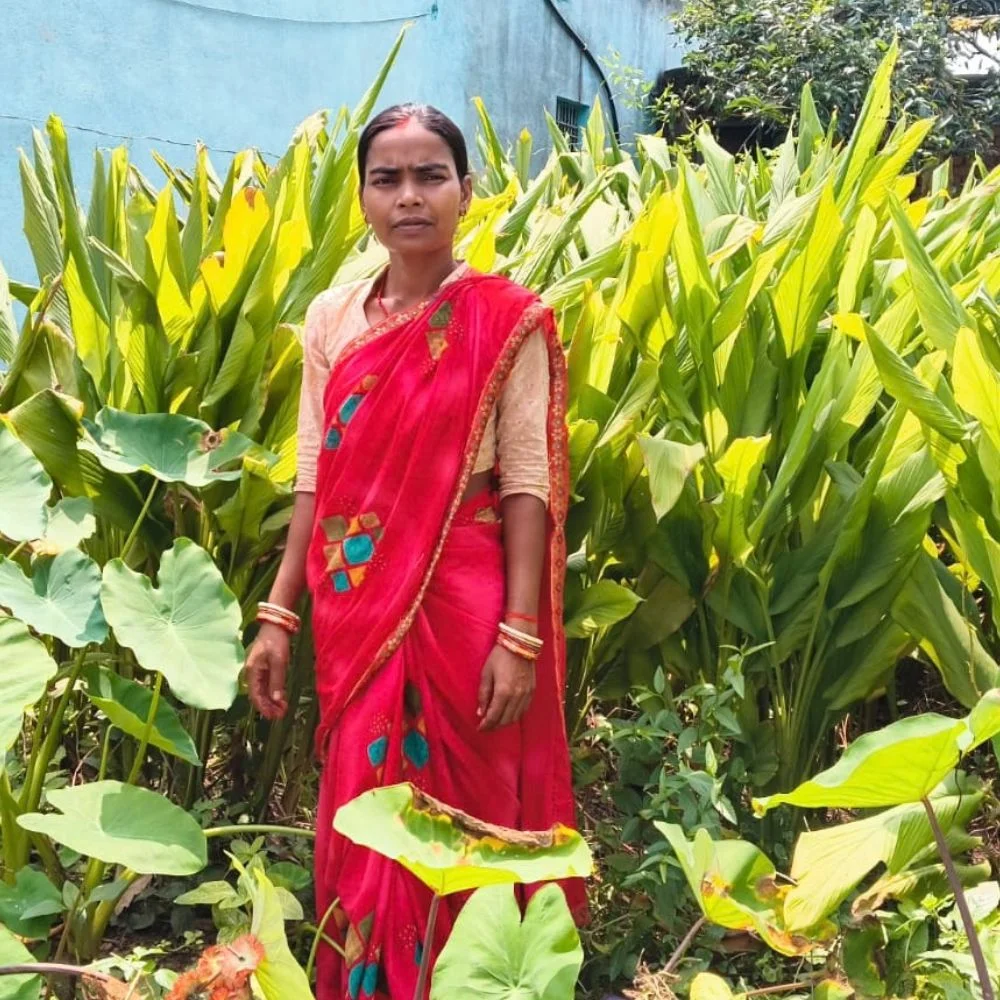
Every morning, before most people in Hethma Barkadi village of Kurdeg Block, Simdega district, Jharkhand begin their day, Phulmani Devi is already thinking about someone else’s wellbeing. It could be a pregnant woman due for her antenatal check-up, an elderly neighbour who has been putting off a blood pressure screening or a family struggling with long-held social norms. For Phulmani, helping her community is no longer a responsibility. It has simply become a habit.
That journey began when she became a Health Change Vector under Transform Rural India’s Neighbourhood of Care (NoC) initiative. Through NoC, TRI nurtures women leaders from within communities who become trusted sources of support, helping families make informed decisions on health, gender equality and wellbeing. Over time, Phulmani became one of those trusted voices, proving that lasting change rarely begins with grand interventions. It begins with everyday conversations, patient listening and showing up consistently.
“I wanted to bring this change,” she says. “I wanted to trigger change.”
And that is exactly what she has done.
Her work began where change is often the hardest to achieve, inside people’s homes.
For years, cooking, washing utensils and fetching water were seen solely as women’s responsibility. The unequal burden often left women exhausted and created frequent disagreements within families. Through repeated home visits and conversations, Phulmani encouraged families to rethink these roles. Rather than telling people what they should do, she simply asked them to imagine what life could look like if responsibilities were shared.
Today, she points to at least four neighbouring households where husbands regularly prepare meals, make rotis and fetch water alongside their wives.
“I explained it to them, so they do it comfortably,” she says.
The impact has extended far beyond household chores.
“Now there are no more fights or quarrels.”
Families work together, women no longer carry the entire burden alone and relationships within households have become stronger. These seemingly small shifts reflect the essence of the Neighbourhood of Care approach, where healthier communities are built by strengthening the relationships that shape everyday life.
As trust grew, families also began turning to Phulmani for guidance on matters of health.
She started working closely with pregnant women, encouraging them to complete all four antenatal check-ups, receive essential immunisations and opt for institutional deliveries. Using simple picture cards, she explained why preventive healthcare mattered and what could happen if important interventions were missed.
“When I showed them the picture card and explained, the sisters understood it well,” she recalls.
One family’s decision stands out.
A woman who had delivered her first two children at home chose to deliver her third child in a hospital after speaking with Phulmani. Awareness had replaced hesitation, and confidence had replaced fear. It was another reminder that better health outcomes often begin long before someone reaches a health facility.
Phulmani’s influence also reached into deeply rooted beliefs.
Many families relied on jhaarfook to treat illnesses such as high blood pressure and dizziness. Rather than dismissing these practices or criticising people for their beliefs, she chose to listen first. She patiently explained the importance of medical care and often accompanied families to the hospital herself.
“They used to pay a lot of attention to superstition,” she says. “I explained all that and also went with them to the hospital.”
Slowly, people began placing greater trust in formal healthcare without feeling judged or alienated.
The changes did not stop there.
Self Help Group meetings, once attended only by women, gradually began welcoming men into the discussions.
“Earlier the sisters and brothers did not sit together. Now some of the brothers have also started sitting to listen.”
For Phulmani, this was another sign that conversations around health, gender and wellbeing were no longer confined to a few individuals. They had become community conversations.
Today, her work continues.
She encourages older residents to undergo screening for blood pressure and diabetes at the local Ayushman Arogya Mandir. She advises families to save for emergencies, follows up with households and connects people with government services whenever they need support. Through every home visit and every conversation, she continues to strengthen the network of care that the Neighbourhood of Care seeks to build.
What makes Phulmani’s story remarkable is not one extraordinary intervention, but the steady accumulation of small changes. A husband fetching water. A mother choosing a hospital delivery. A family seeking medical care instead of relying solely on superstition. Men sitting alongside women to discuss issues that affect the entire community.
None of these transformations happened overnight. They emerged through trust built over time, conversations repeated patiently and one woman’s unwavering commitment to showing up for her neighbours.
When asked what keeps her going despite receiving no formal remuneration, Phulmani simply smiles.
“It has become my habit.”
In Hethma Barkadi, perhaps there is no better measure of success. Change is no longer an event or a campaign. Thanks to Phulmani, it has become a way of life.