In Gola Block of Jharkhand, Transform Rural India (TRI) has been working with communities to strengthen local systems that improve the health, wellbeing and agency of women and adolescents. Through its Neighbourhood of Care (NoC) approach, TRI nurtures women leaders from within villages who become trusted sources of support, information and action for their communities.
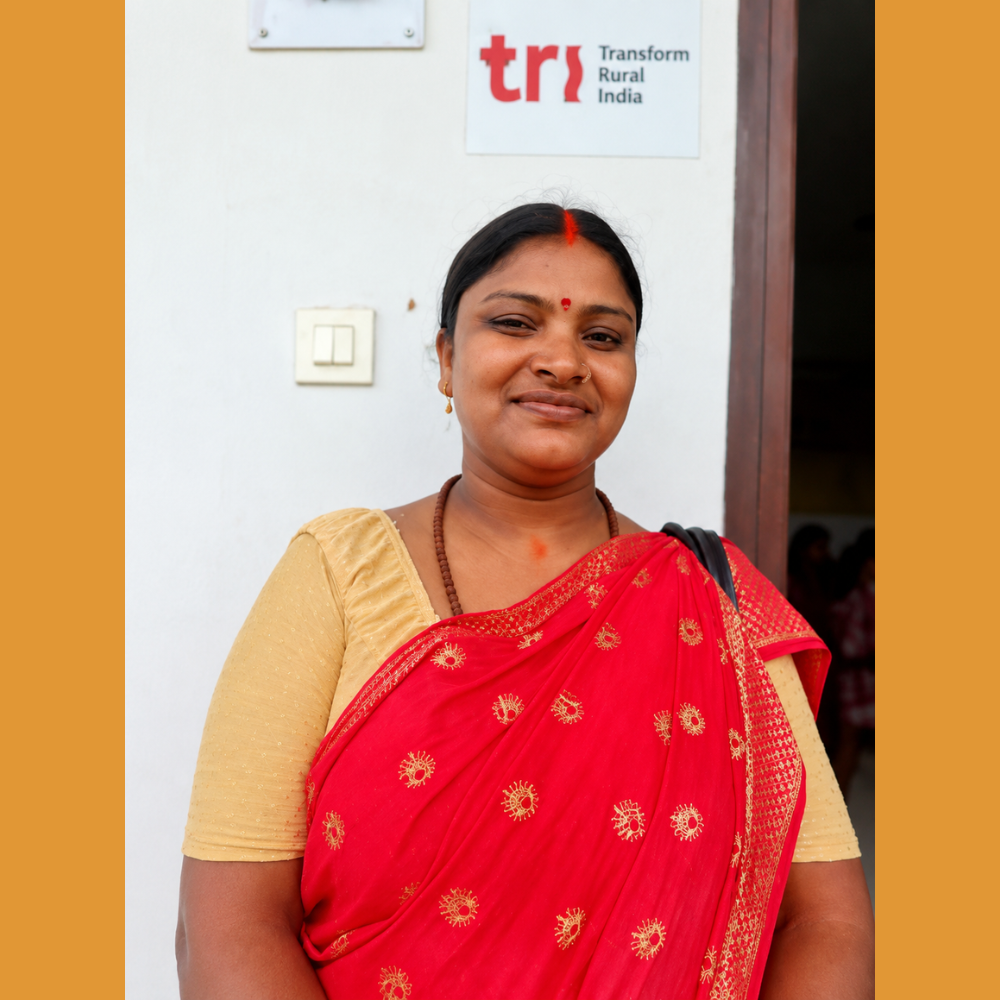
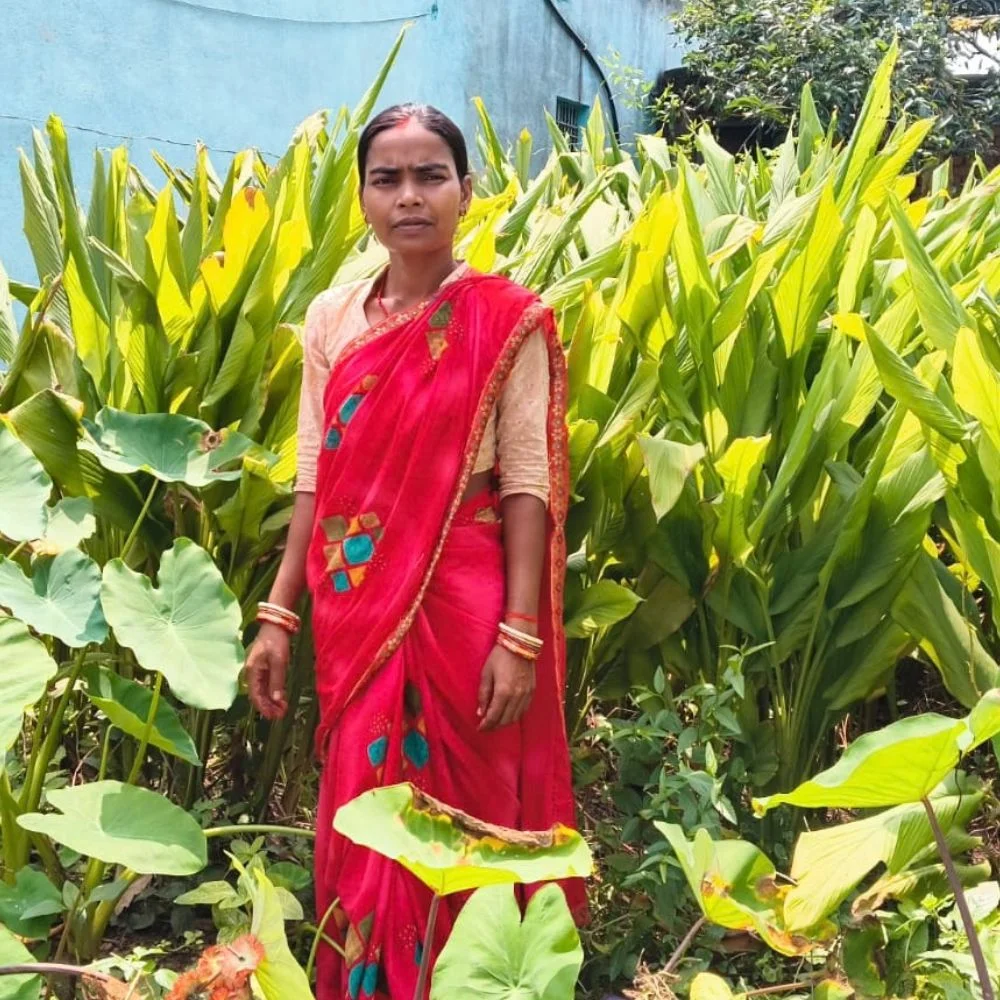
One such leader is Munni.
As a child, Munni dreamt of becoming a nurse. Early marriage and family responsibilities meant that dream remained unfulfilled. Yet her desire to care for others never faded. So when she was offered the opportunity to become a Health Change Vector under TRI’s Neighbourhood of Care initiative, she accepted immediately, despite the role carrying no formal remuneration.
Today, Munni is among the most trusted women in her village.
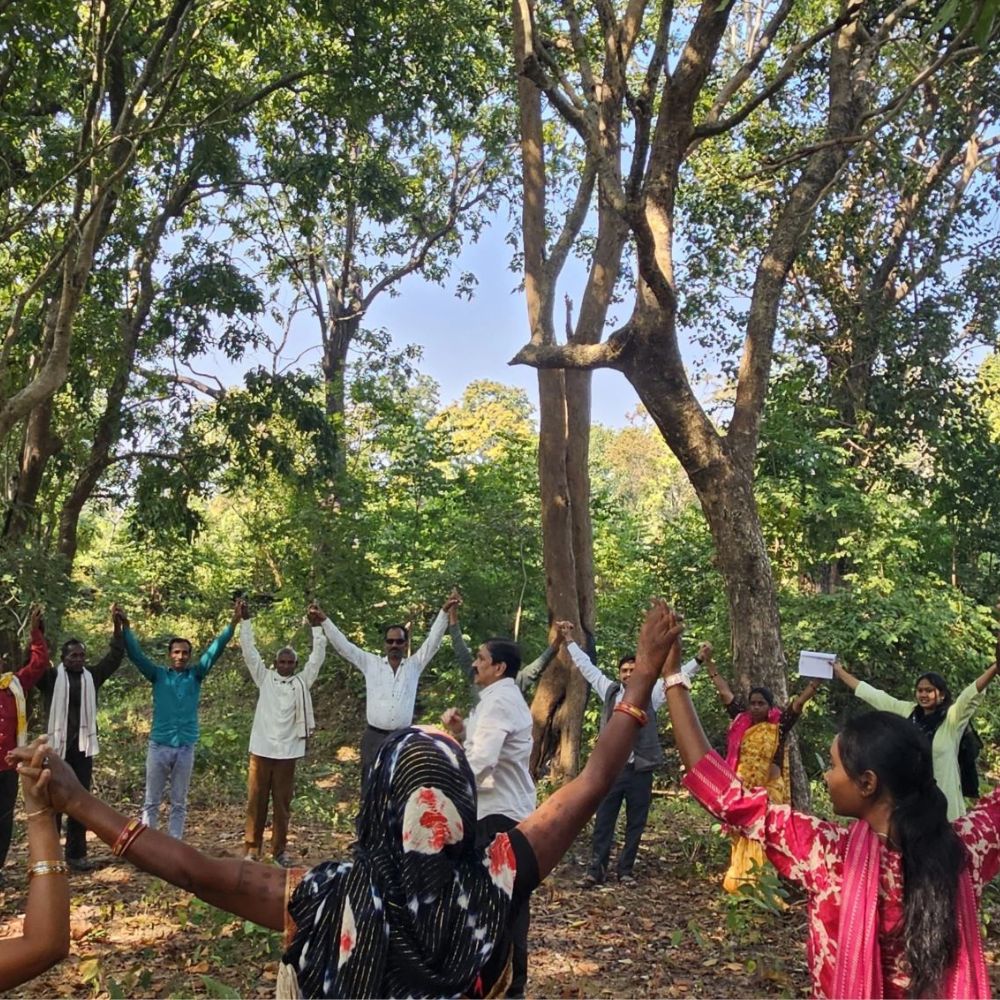
The Neighbourhood of Care (NoC) is a community-led approach that places local women at the centre of health, nutrition and gender-responsive support. Through regular meetings with women’s groups and adolescent girls, neighbourhood leaders like Munni facilitate conversations on maternal health, infant and young child feeding practices (IYCF), gender equality, entitlements and issues that often remain confined within households. More importantly, they build trust, making them the first point of support when families face difficult decisions.
One such moment came when Gita (name changed), a 16-year-old girl, decided to marry her classmate. Her parents were worried but felt they had exhausted every option. They turned to Munni.
Rather than confronting Gita or imposing her views, Munni chose dialogue. She first met the girl’s parents before sitting down with Gita herself. Through a patient conversation, she encouraged Gita to reflect on her future and speak openly with the boy, particularly about the dowry he was demanding and whether he was willing to wait until they were older.
That conversation changed everything.
For the first time, Gita recognised the unequal nature of the relationship. She decided on her own to call off the marriage and soon enrolled in a local stitching course, choosing to invest in her future instead.
The outcome was not driven by outside intervention or legal action. It emerged from the trust that Munni had patiently built over months through the Neighbourhood of Care. It demonstrated how sustained community engagement can enable families and young women to make informed choices for themselves.
This is the impact of the Neighbourhood of Care. It goes beyond improving health awareness. By creating trusted women leaders within villages, it strengthens community support systems that influence decisions around health, education, gender equality and wellbeing, often before problems escalate.
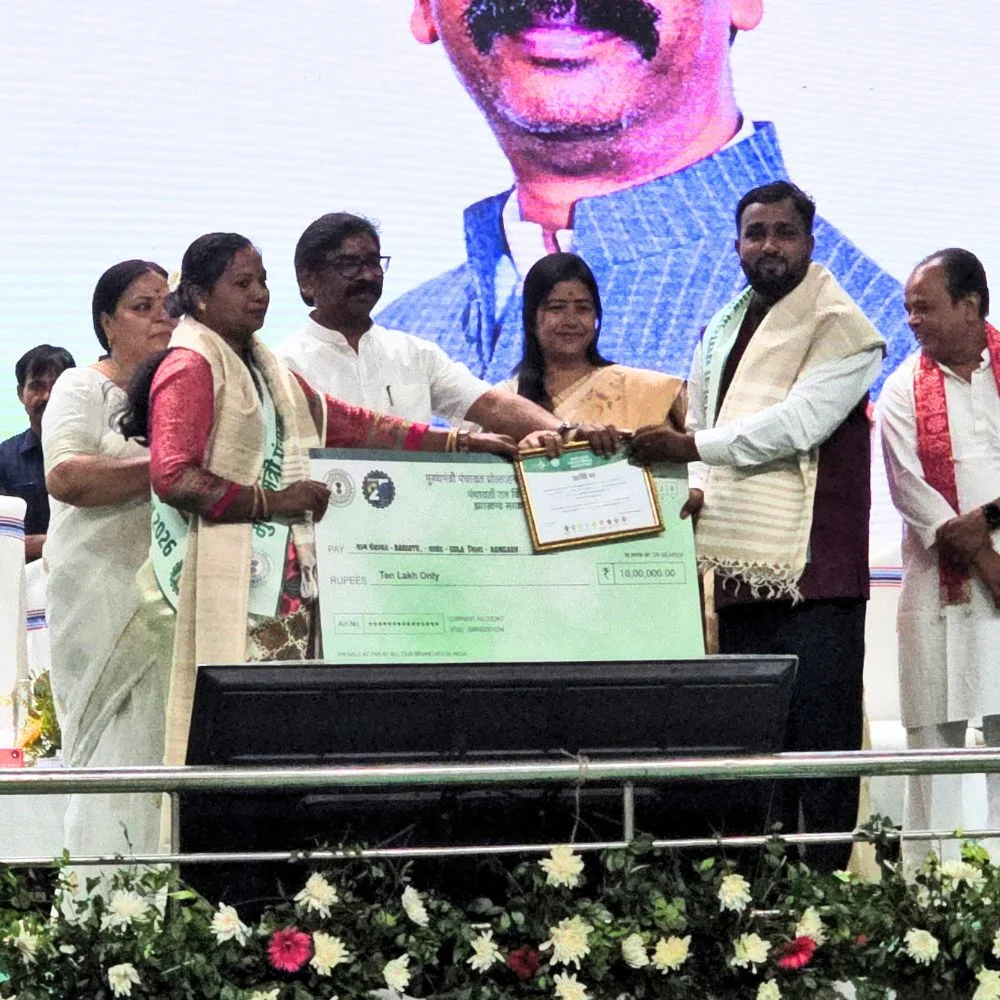
Munni’s leadership has now been recognised beyond her village. She has been selected as a Setu Didi under the Jharkhand State Livelihood Promotion Society (JSLPS), a cadre that connects communities with government services and strengthens last-mile delivery. Her transition from Health Change Vector to Setu Didi reflects not just personal achievement but the confidence her community has placed in her leadership.
In Gola, Munni is no longer simply a health volunteer or facilitator. She is a bridge between people and public systems, helping women and girls navigate challenges with dignity, one conversation and one family at a time.