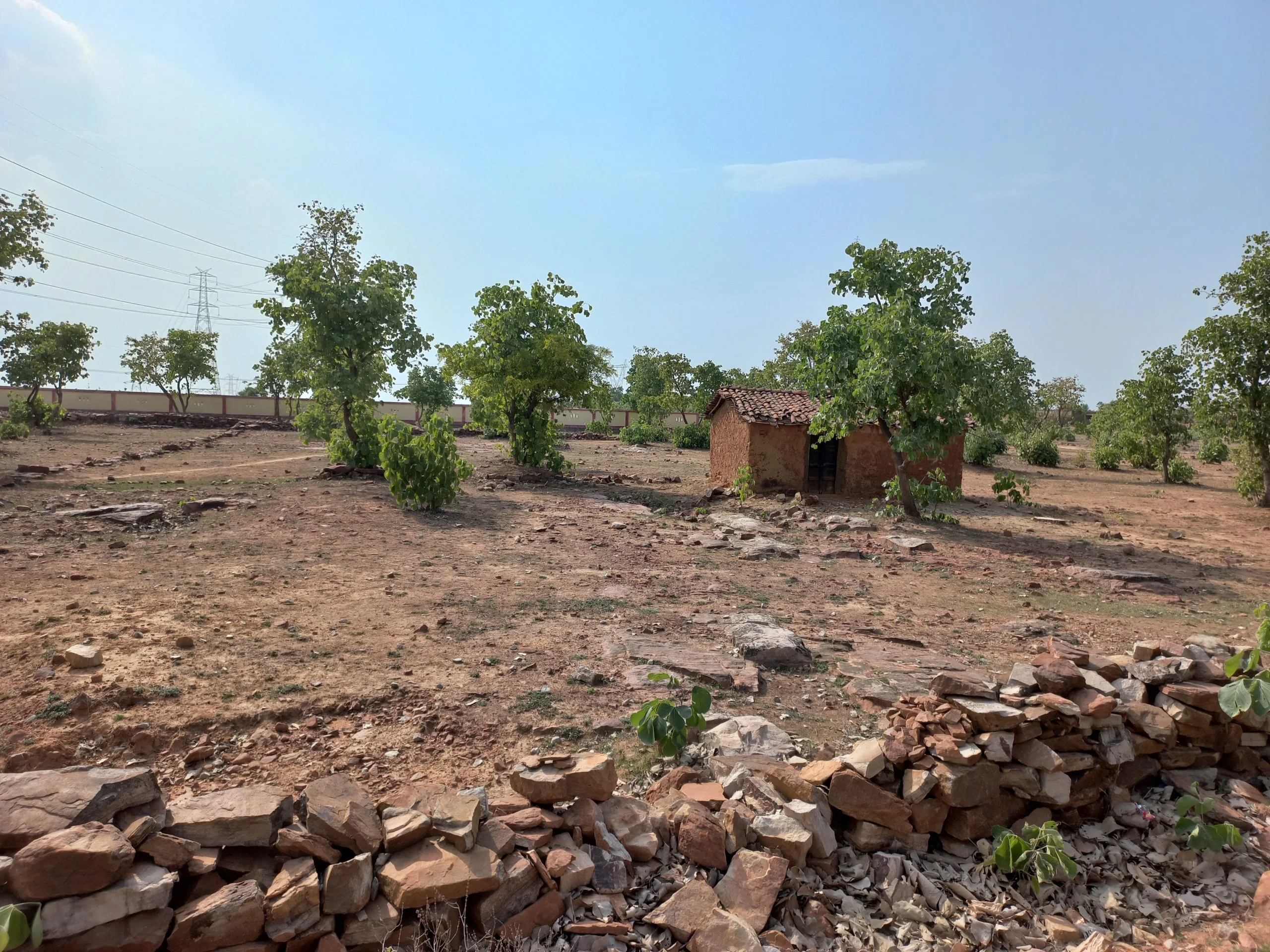
On most mornings in Rajpur block of Madhya Pradesh, the roads between villages held a particular kind of quiet, not the quiet of rest but of a place that had, over time, learned to remain still. Reaching the Gram Panchayat office, the block headquarters or even a neighbouring village was rarely straightforward. Many walked long distances, while others waited for transport that arrived unpredictably, if at all. For women especially, mobility was never just about distance. It was shaped by calculations of time, safety and social constraints. Movement required planning, negotiation and often compromise. These realities were so embedded in everyday life that they were rarely spoken about directly.
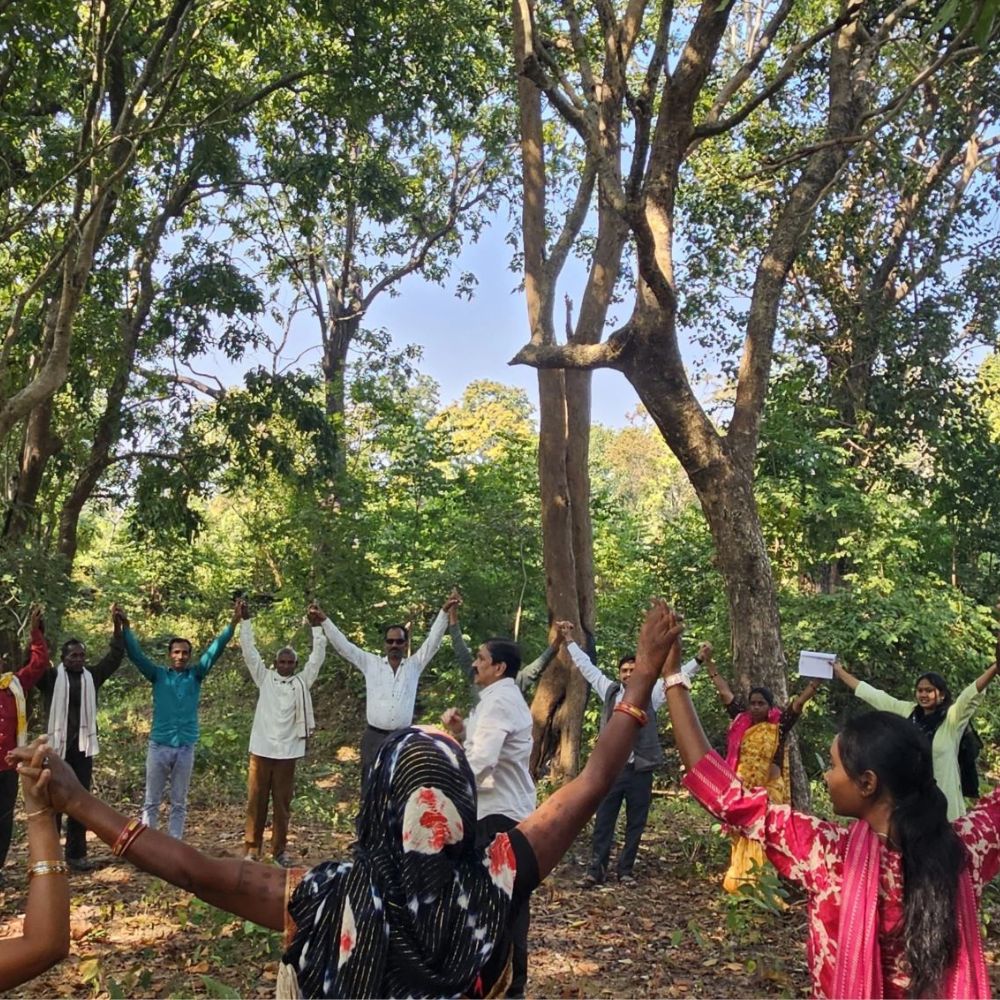
It was through Village Youth Meetings and the Youth Development Plan process that these silences began to shift. Young people in the region repeatedly returned to a shared concern that the ability to move freely within their own geography, to access work, participate in meetings or pursue opportunities, was deeply uneven and structurally constrained. What had long existed as an unspoken, collective frustration gradually took the form of a clearly expressed demand.
The team from Transform Rural India, working at the intersection of systems change and community-led development, had been closely engaging with these emerging conversations. Rather than approaching mobility as an isolated infrastructure gap, they sought to understand its wider implications, how restricted movement translated into lost income, limited participation and constrained aspirations. Working alongside community members, the effort was not simply to design a solution but to co-create a response grounded in lived realities.
From this process emerged the Cart Leasing Initiative, anchored within the WoW Hub in Rajpur. The WoW Hub, Work Opportunity and Well-being Hub, is a phygital, physical plus digital, centre established by TRI and partners to empower rural youth and women by providing vocational training, digital services, entrepreneurial mentorship and career counselling.
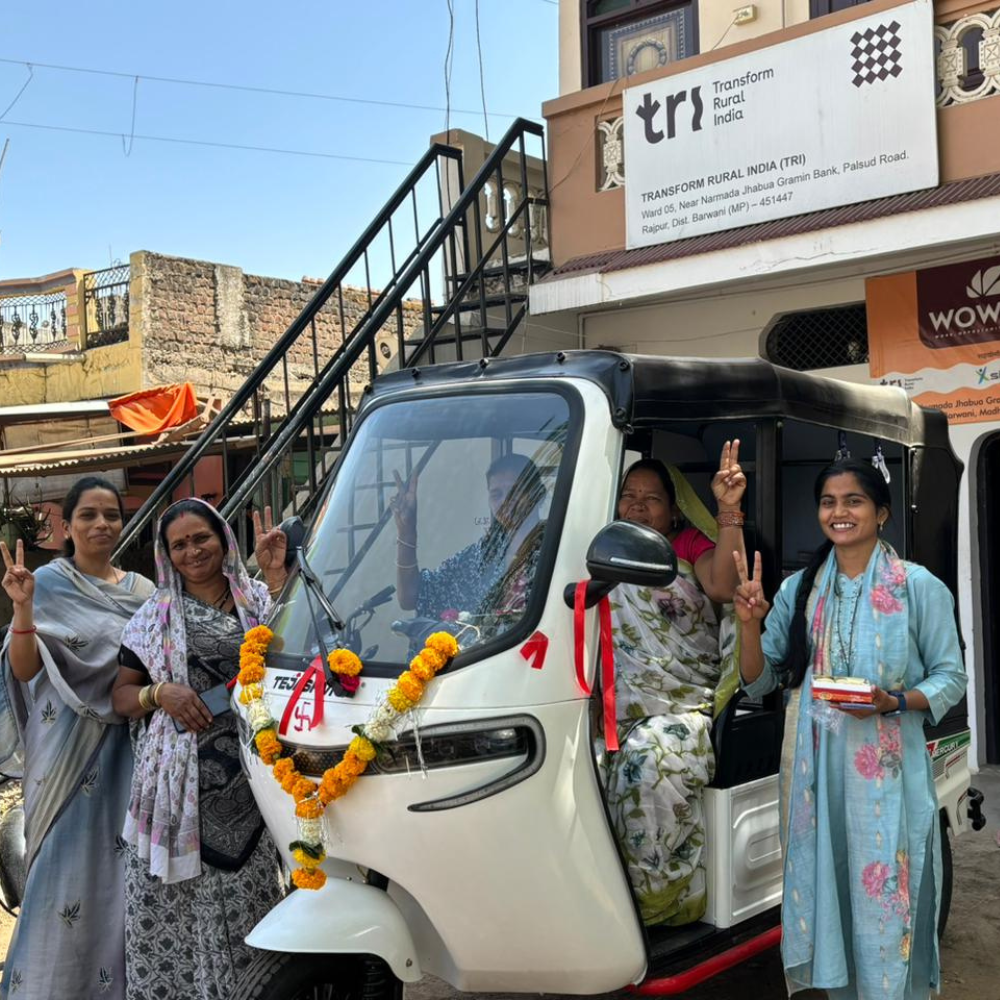
Under the Cart Leasing Initiative, an E-Mobility Drive introduced E-Rickshaws, E-Cargo vehicles and E-Product Display Carts, leased to local entrepreneurs through affordable monthly payments. By removing the burden of upfront capital, individuals are able to start earning from the first month. At the same time, the Hub sustains itself through a steady revenue stream reducing dependence on external funding cycles.
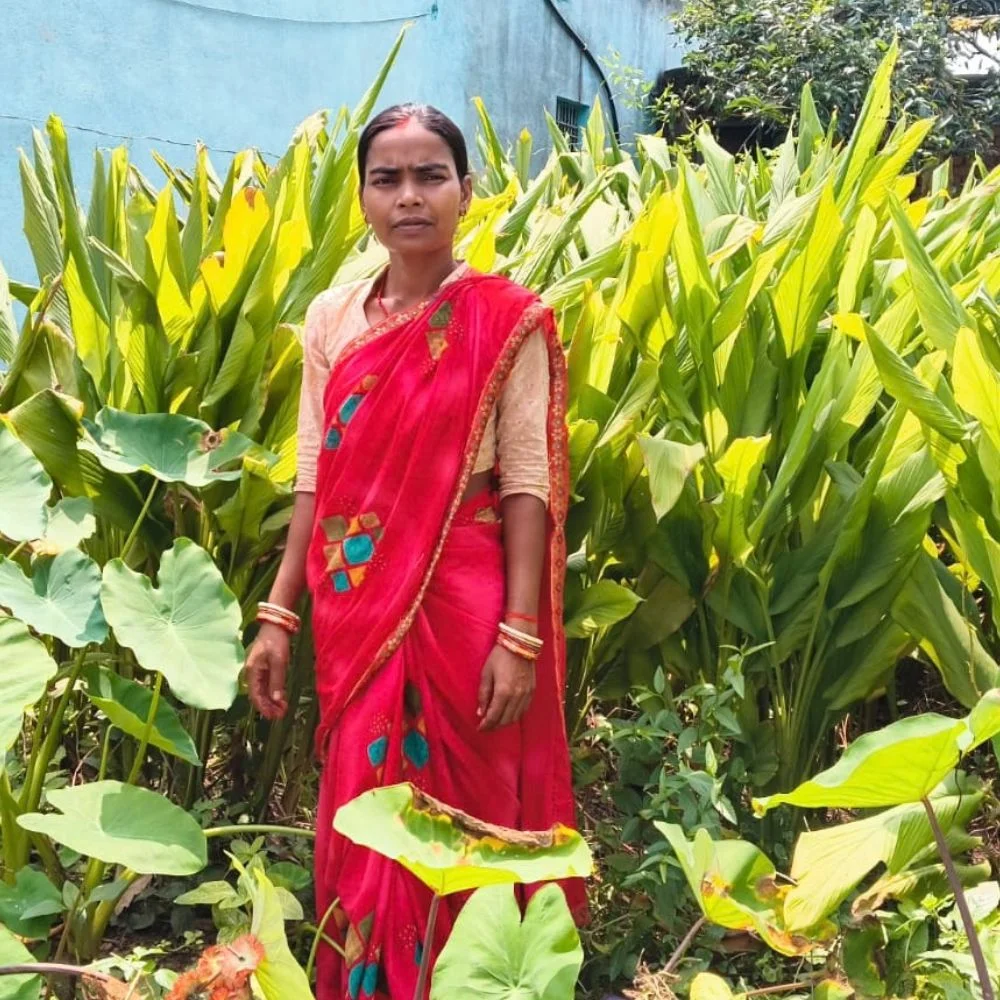
But beyond the mechanics of the model, the more visible shift lies in who is driving. Women in Rajpur have stepped into roles as operators and entrepreneurs, moving through public spaces in ways that were once uncommon. For one woman now operating an E-Rickshaw, the change is not only economic. It means no longer structuring her day around when it becomes unsafe to be outside. The shift may sound modest but it reshapes how presence, safety and participation are experienced within the community.
At the same time, the move towards electric vehicles reflects a deeper alignment between livelihood generation and environmental responsibility. In Rajpur, economic opportunity and ecological considerations are advancing together.
The initiative is still evolving. Lessons continue to emerge and the model is being refined through ongoing engagement. What began as a concern voiced in community meetings has taken shape as a working locally grounded response.
In Rajpur, mobility is no longer just a logistical issue. It has become a way of asking larger questions about who gets to move, who gets to participate and what becomes possible when those conditions begin to shift.