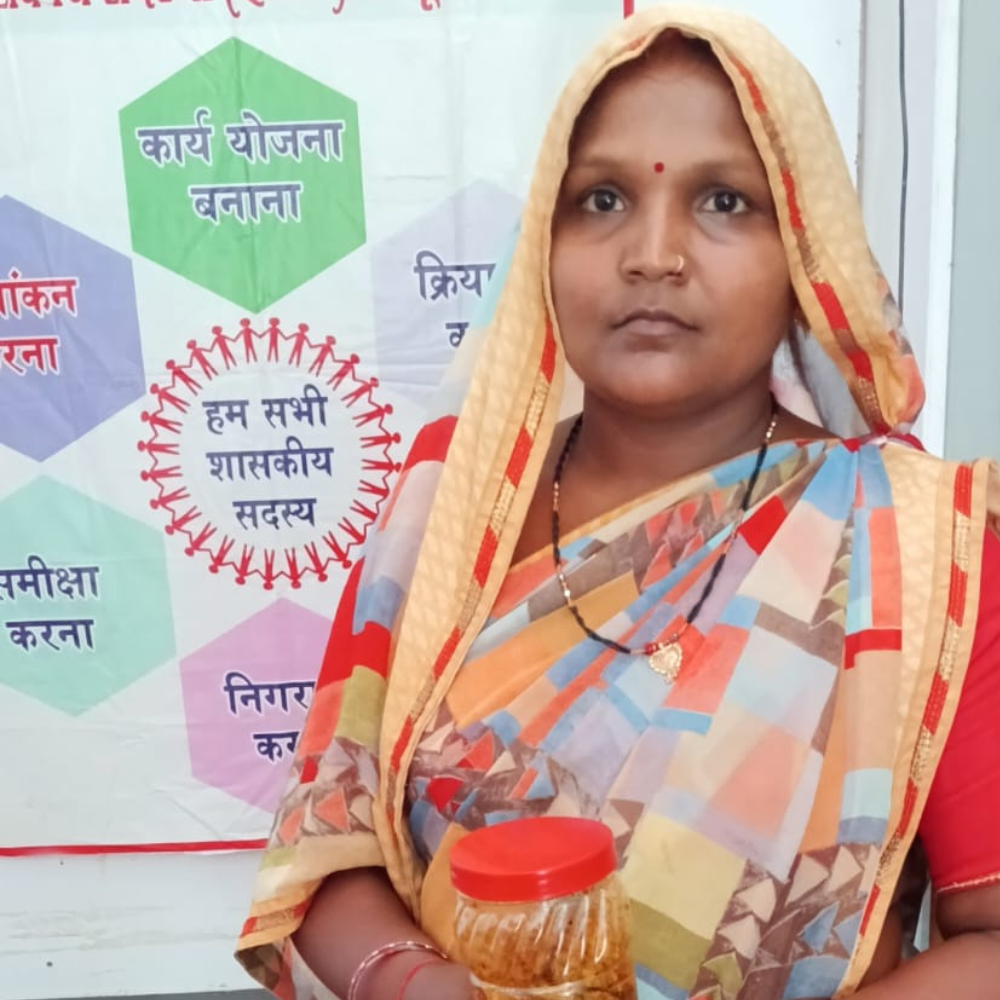
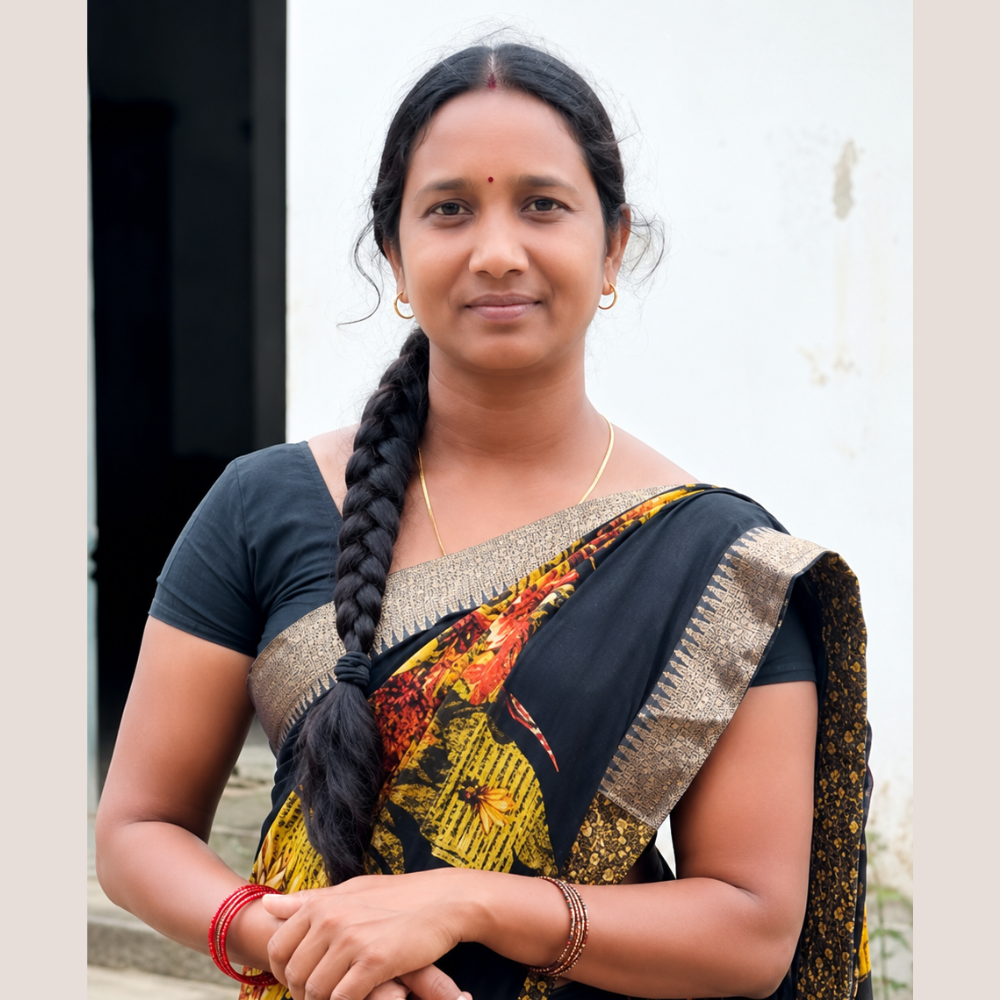
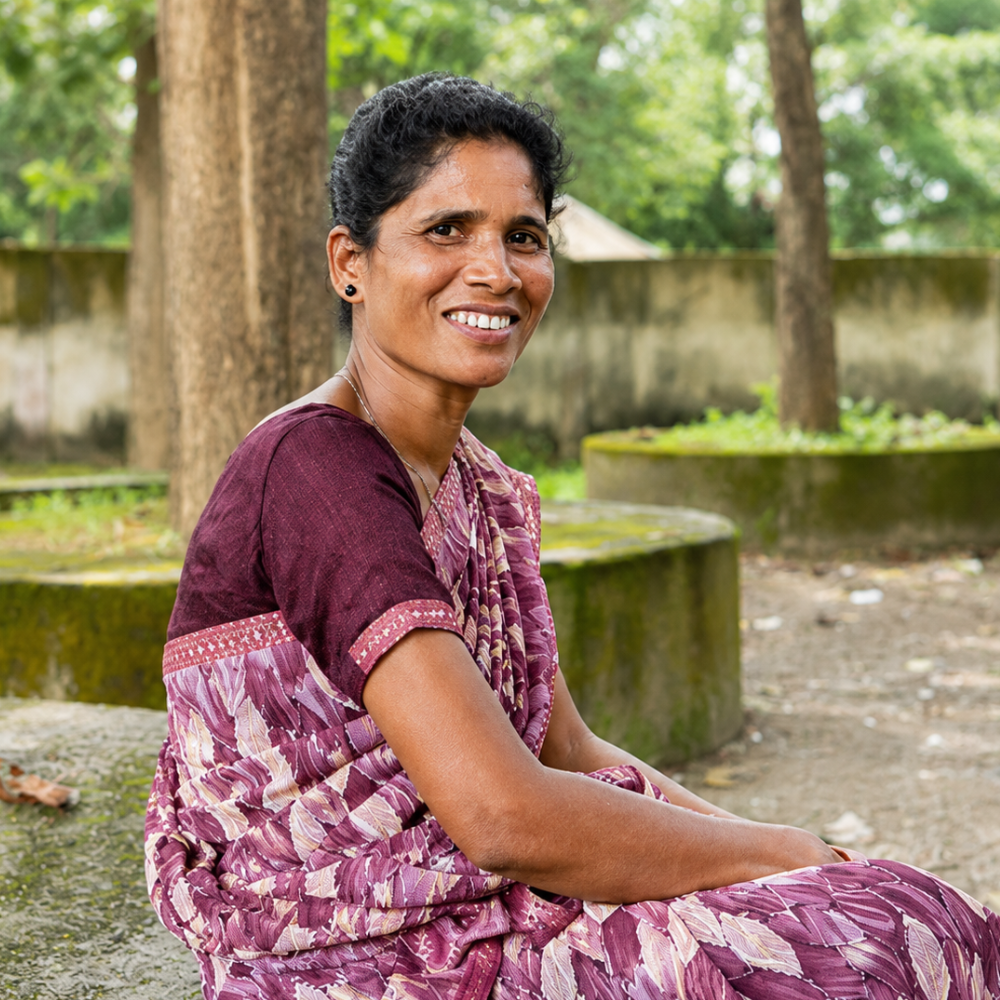
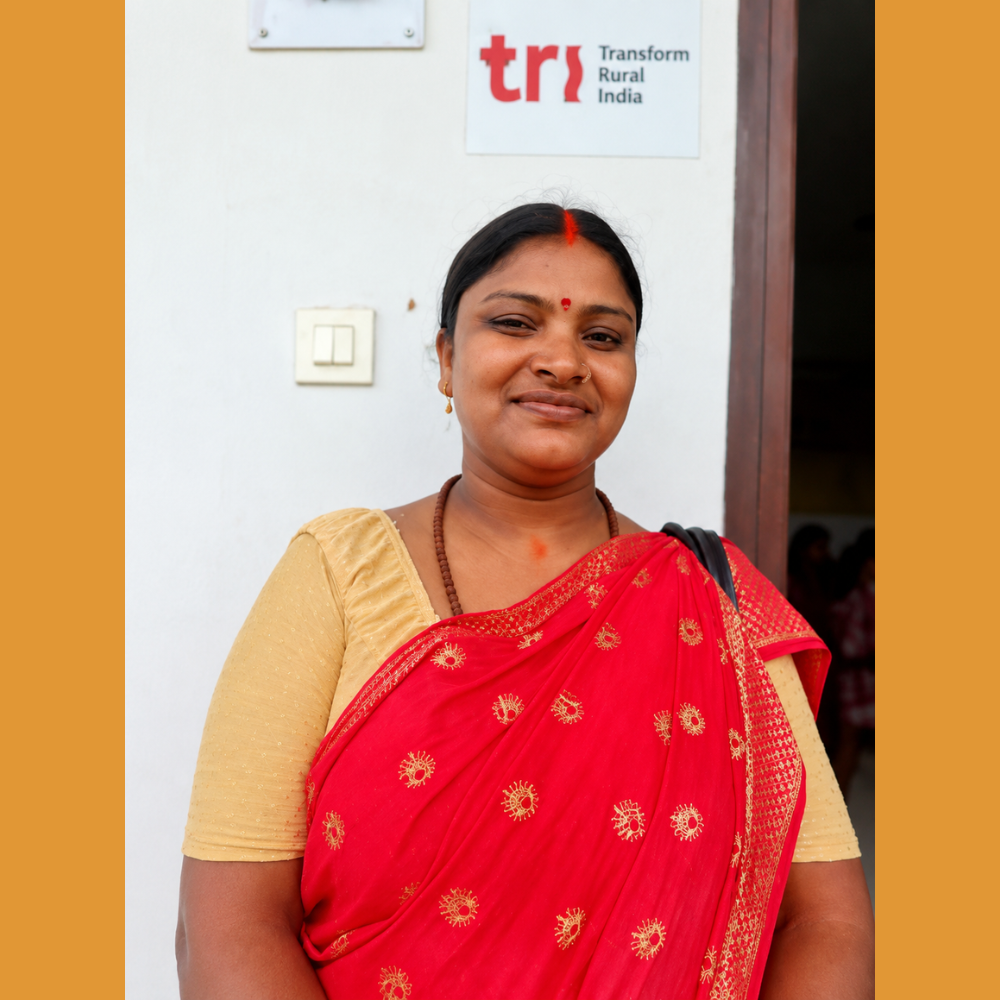
Renu Patel, a postgraduate, lives in Bhaupur village with her husband, her in-laws, and her extended family, including her devar-devrani and their children. When she reflects on where the family stood a few years ago, she sums it up in a few words: “Dukan toot gayi thi” — our shop had collapsed.
Her husband had been running a seed shop in partnership with someone else, but when that arrangement fell apart, it left the family with debt and very limited options. The household depended on two sources of income, the shop and their farmland, but neither was generating enough to meet the family’s needs.
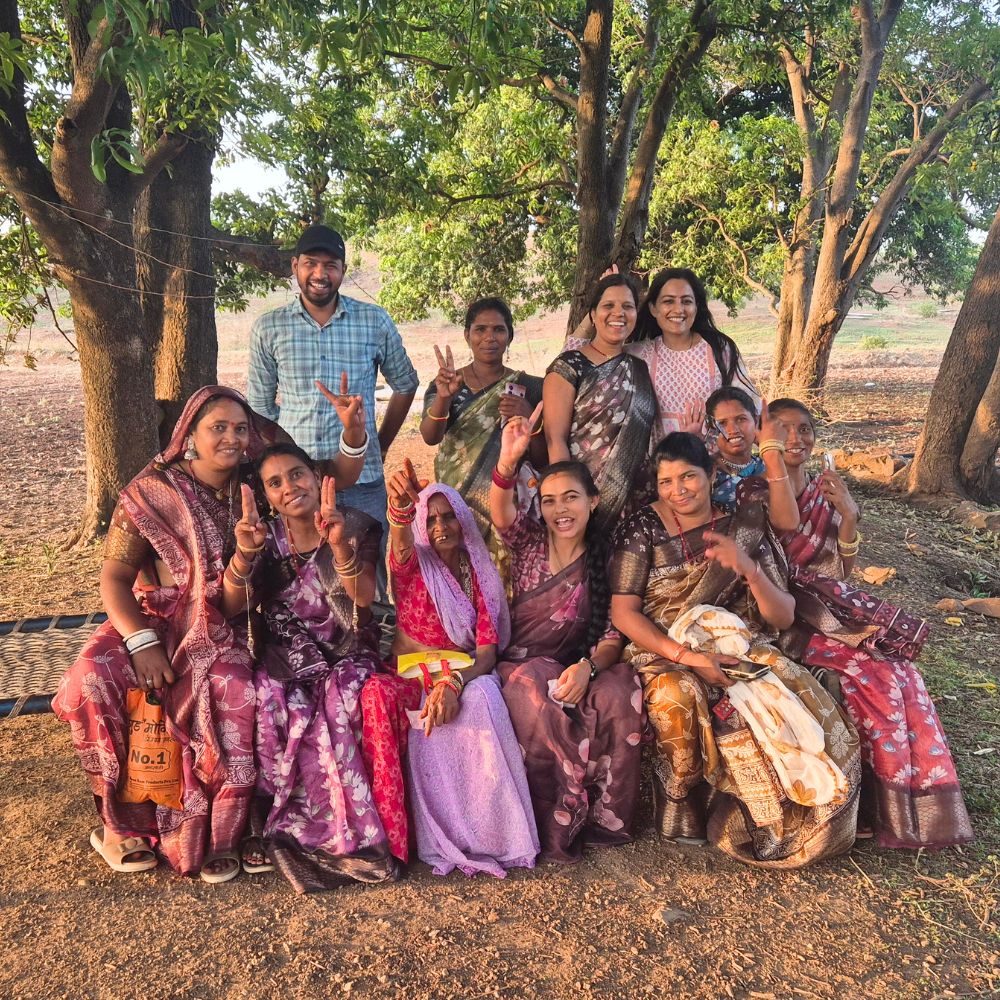
In 2021, Renu joined a Self-Help Group (SHG) in her village. She was hesitant at first, unsure of what a group of women meeting together could really do for her situation. Still, she decided to take a loan of Rs 20,000 and invest in something entirely new: Shimla Mirch, or bell pepper cultivation.
The first season required patience and learning. She understood irrigation practices, managed the crop carefully, and waited for the harvest. The effort paid off. From an investment of Rs 20,000, she earned a profit of Rs 60,000.
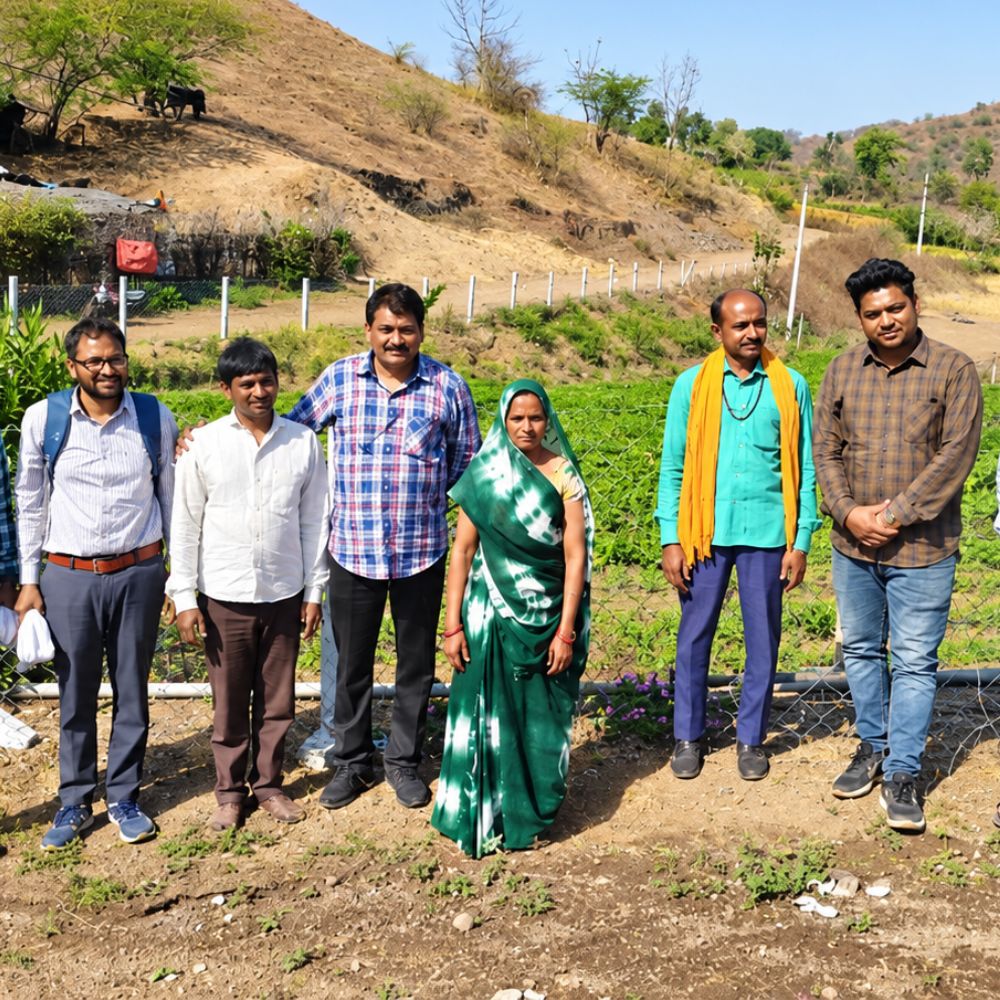
Rather than stopping there, Renu reinvested. She took another SHG loan and gradually expanded her cultivation. Over time, her farm diversified to include multiple vegetables such as gobhi and cabbage, allowing production across different seasons. She also adopted mulching, a technique that helps conserve soil moisture and reduce water use. Once she saw the benefits herself, she encouraged her husband and neighbouring farmers to adopt the practice as well.
She later expanded into sugarcane, focusing not just on cultivation but on improving the value she could retain from what her land produced instead of relying entirely on low-margin sales through intermediaries.
As her farming enterprise grew, Transform Rural India (TRI) became an important enabler in expanding what was possible. Through the TRI-led and supported Varanasi Pragati Prerna Farmer Producer Company (FPC), Renu began selling her vegetables through a more organised market channel, helping her secure better returns by reducing dependence on middlemen. She also played an active role in mobilising other farmers in her village to engage with the FPC, helping them understand the benefits of collective market access and encouraging them to participate.
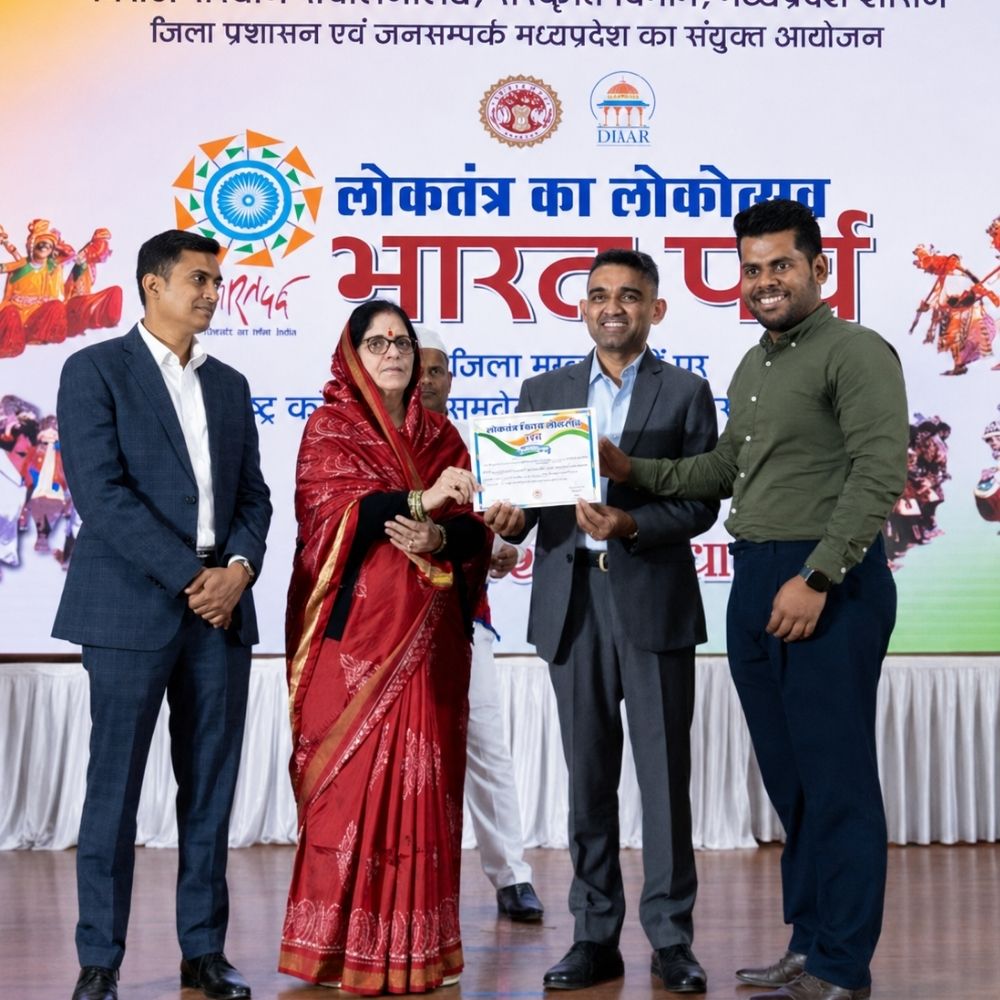
As her confidence and visibility grew, TRI supported Renu’s emergence as a community leader within her Village Organisation, creating opportunities for her to step into broader leadership roles beyond her own farm and household.
TRI also introduced her to papaya cultivation, adding yet another crop to her growing agricultural portfolio. But Renu’s leadership was not limited to adopting new practices herself. She began influencing agricultural change within her village, encouraging Meera Didi to adopt direct seeded rice, a farming method that reduces both labour and water use, and initiating vermicompost production to promote healthier and more sustainable farming practices.
Livestock became another important part of the family’s economic recovery. Renu started with two cows. Today, the household owns nine cows and buffalo. Every morning and evening, milk is sold directly to a nearby dairy at Rs 45 per litre, creating a steady and dependable source of daily income.
The family’s seed shop has also reopened, this time on a stronger foundation. It now sells high-quality seeds that Renu herself has tested and grown, linking the business directly to her farming experience rather than to an unstable partnership.
On her agricultural land, she also grows flowers, some for sale and some for personal use. Beyond farming, Renu is trained as an FNHW (Food, Nutrition, Health and Water) cadre, through which she supports and motivates other women in her community around health and nutrition practices.
Renu’s journey from a Rs 20,000 loan to a diversified farming enterprise with livestock, dairy income, a revived family business, and community leadership did not happen in a single season. It grew steadily through access to credit, institutional support, and her own willingness to learn, adapt, and lead.
Her story is not just about rebuilding one household’s income. It shows what becomes possible when women gain access to the right support systems, stronger market linkages, and opportunities to lead. The impact extends beyond individual families, strengthening community institutions and encouraging others to see new possibilities for themselves.