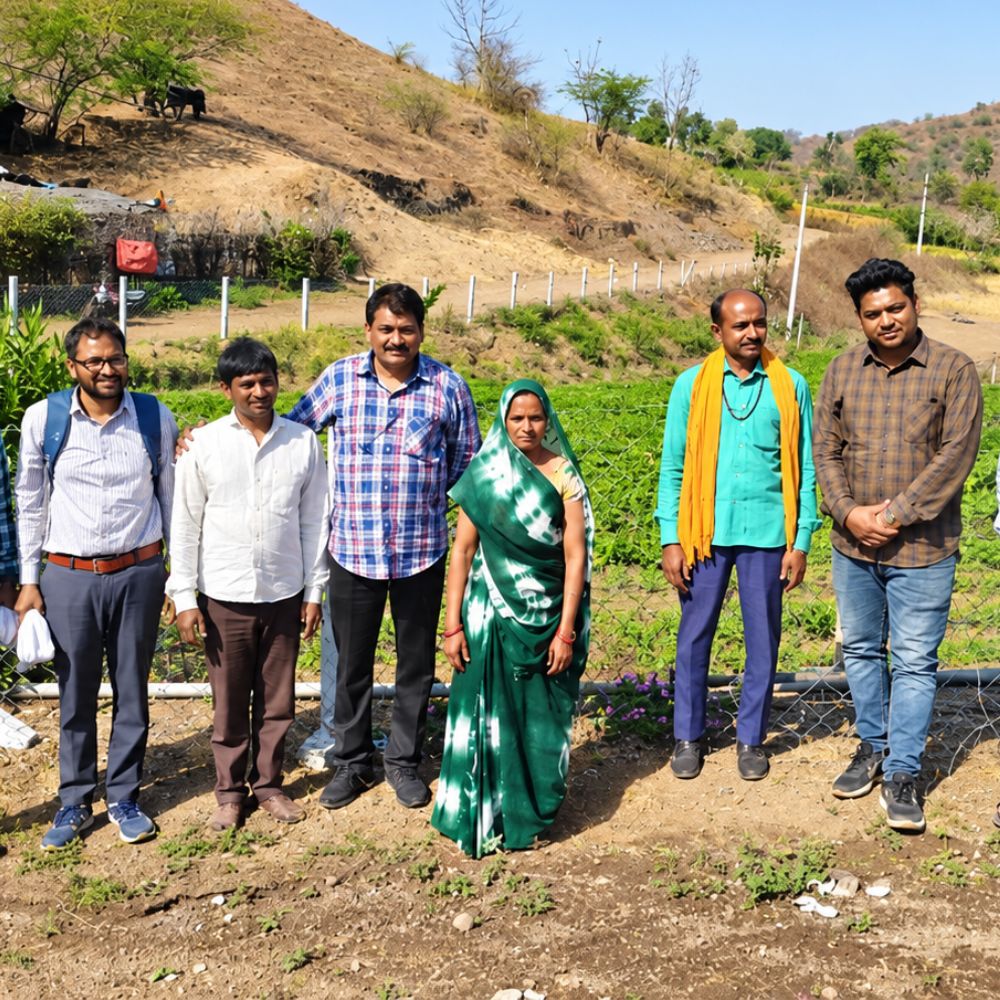
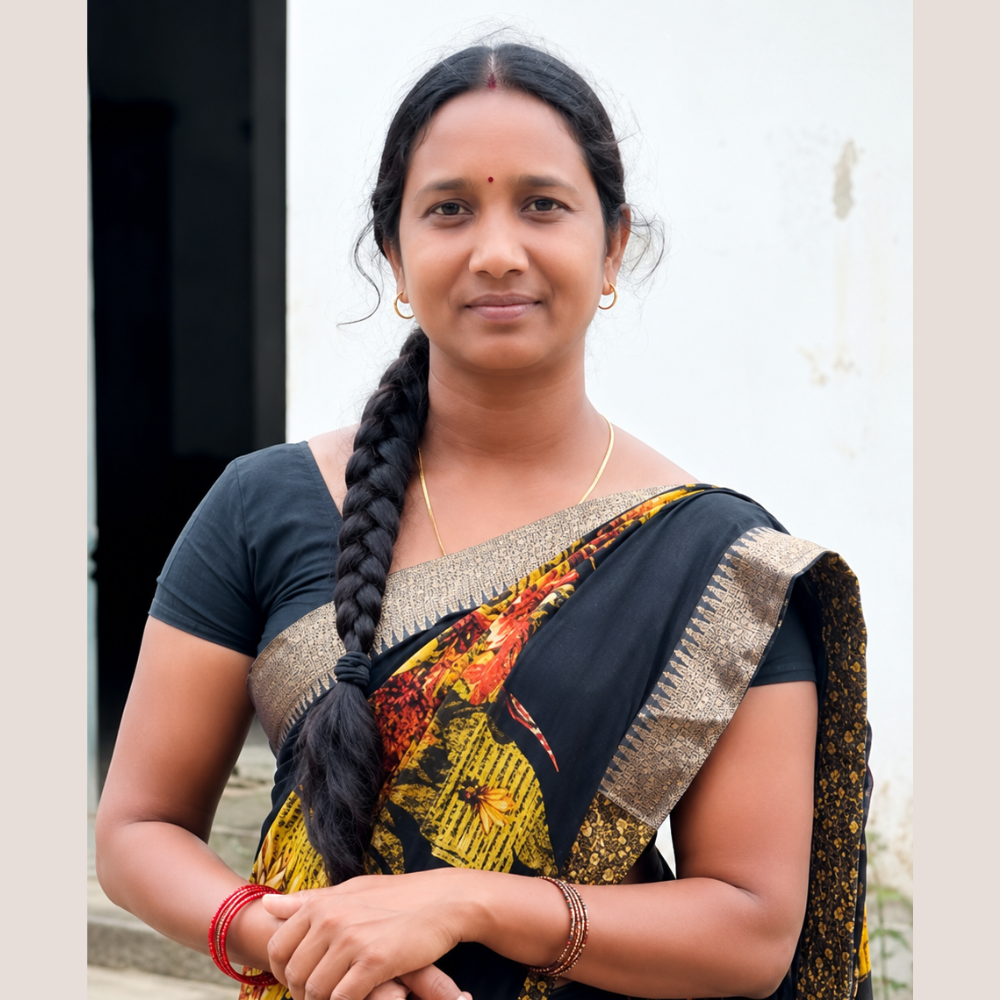
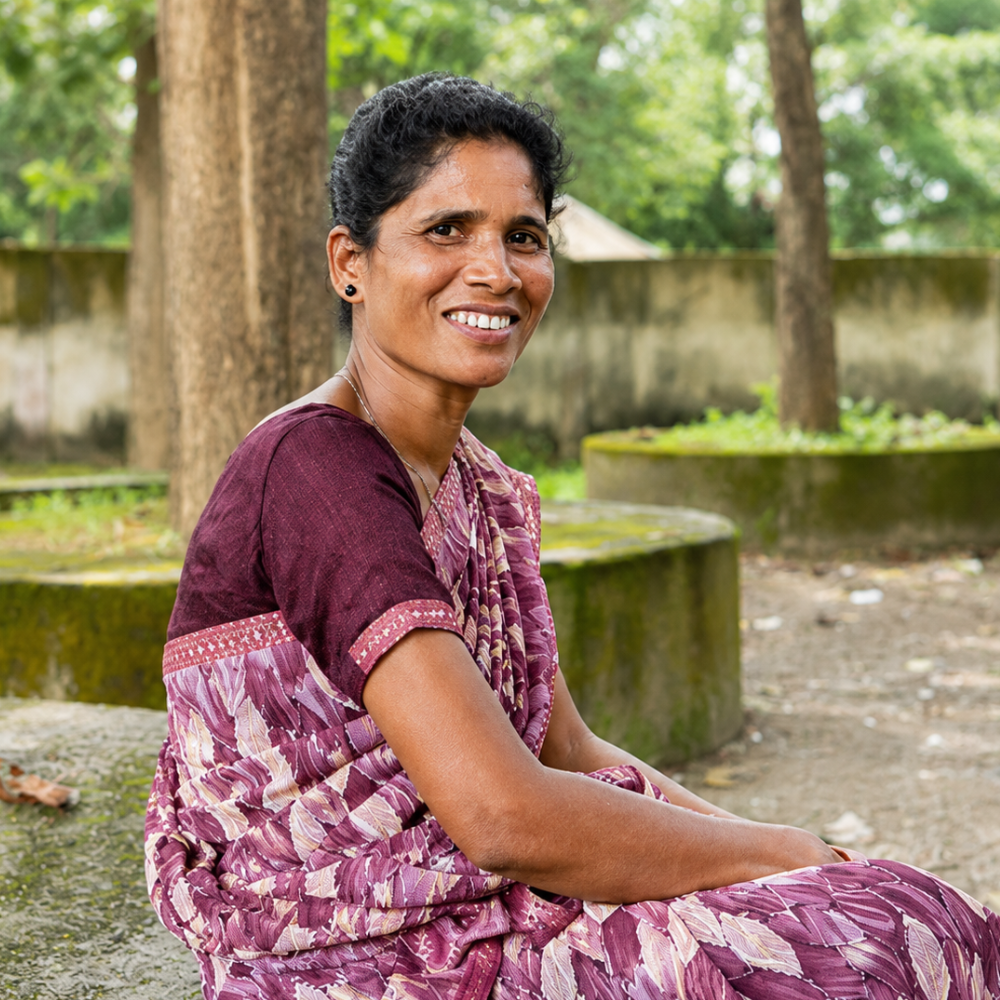
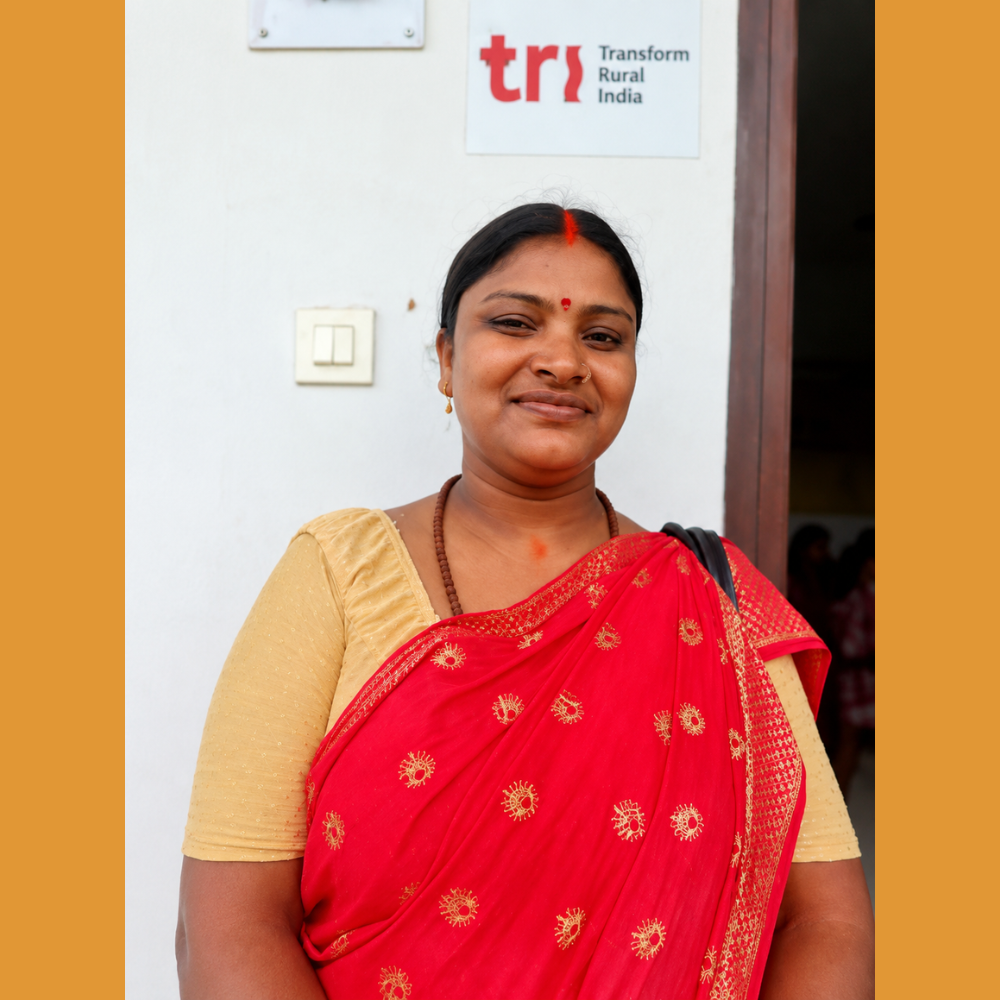
In many villages of Koraon block in Prayagraj district, conversations around women’s health had long remained confined to silence and hesitation. Subjects such as menstrual hygiene, maternal health and reproductive wellbeing were rarely discussed openly. Deep-rooted social norms, misinformation and fear often influenced healthcare decisions more than awareness or access to services. Even when government facilities were available, many women delayed seeking care, avoided institutional support or depended on informal advice and unqualified practitioners.
Through the Neighbourhoods of Care approach, Transform Rural India (TRI) worked alongside Village Organizations (VOs), Cluster Level Federations (CLFs), Community Volunteer Didis, Panchayats and frontline workers to encourage greater dialogue around health and wellbeing. The effort focused on creating trusted spaces where women could openly discuss health concerns, access reliable information and participate in decisions affecting their wellbeing.
Creating Spaces for Open Conversations
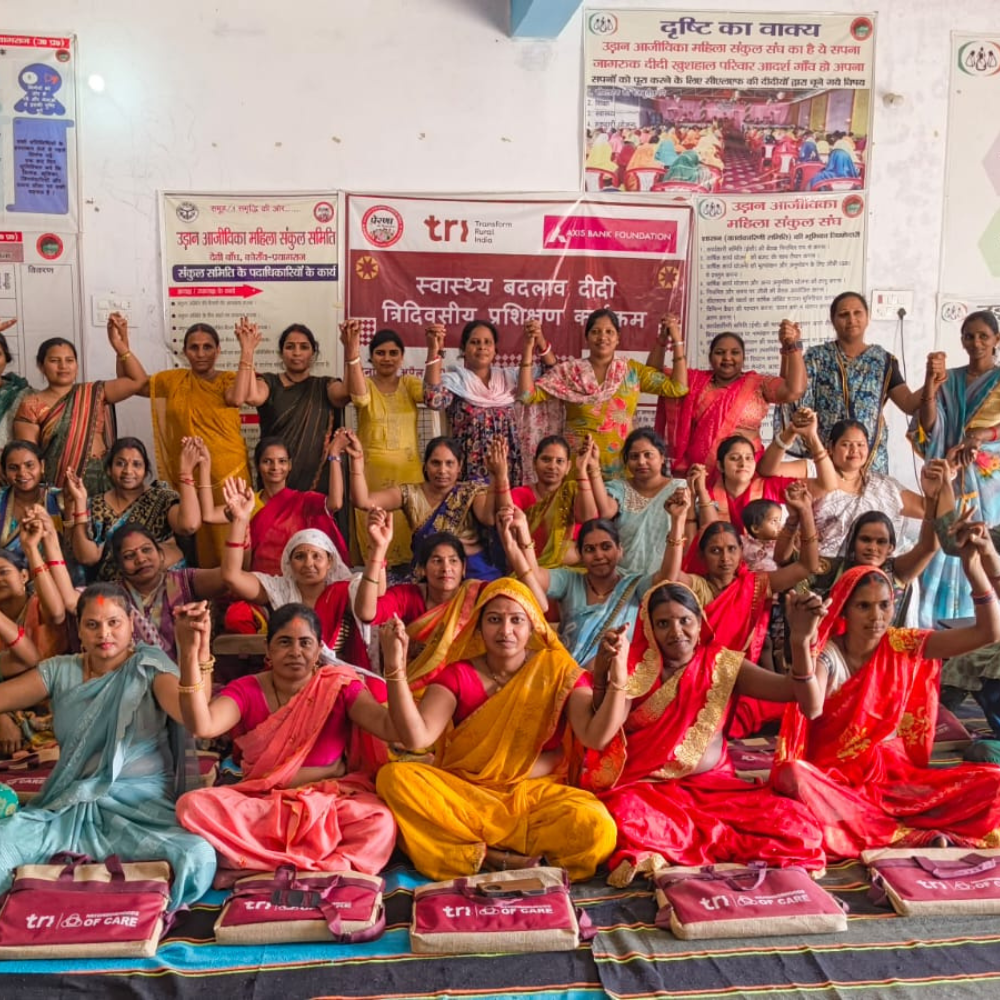
As part of the initiative, TRI facilitated health awareness and VHSND engagement trainings for women leaders, grassroots institutions and community volunteers across Koraon. The sessions encouraged discussions on maternal care, nutrition, menstrual hygiene, adolescent health and preventive healthcare practices. For many women, these meetings became some of the first opportunities to openly discuss issues that were otherwise considered taboo within their communities.
During a menstrual hygiene session organized with support from The Pad Project, women and adolescent girls participated in conversations around myths, stigma and reproductive health concerns. A Community Health Officer interacted directly with participants, responding to questions and helping address long-standing misconceptions related to women’s health.
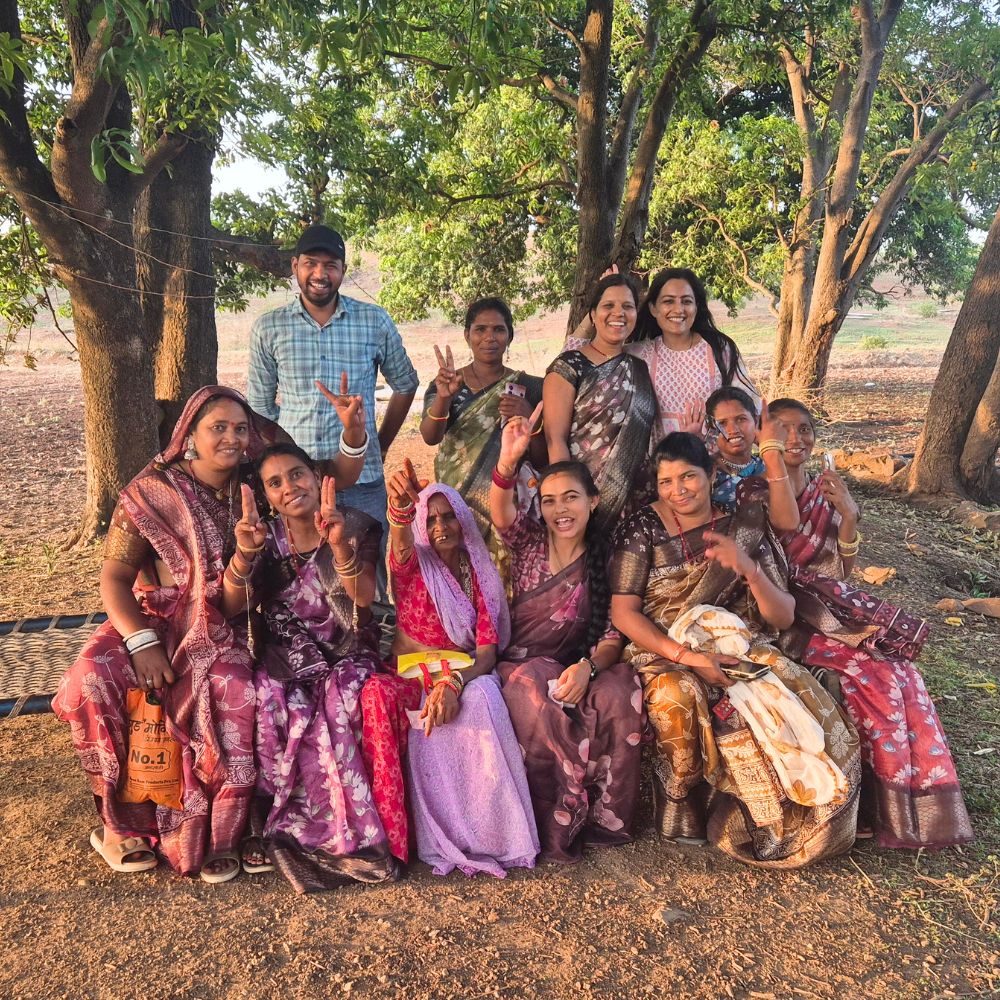
Over time, the atmosphere in these meetings began to shift. Women who were initially hesitant to participate started sharing experiences, raising concerns and encouraging others to seek timely healthcare support. What began as awareness-building gradually evolved into community dialogue and collective action.
Women’s Institutions Emerging as Community Health Platforms
An important outcome of the intervention was the growing role of women’s collectives in local health discussions. Village Organizations began including health and nutrition as regular agenda items during meetings. ASHAs and Anganwadi Workers were invited to participate in discussions around maternal health, child nutrition, anemia, hydration, balanced diets and menstrual hygiene.
Women leaders also mobilized families to participate in Village Health, Sanitation and Nutrition Days (VHSNDs), encouraging pregnant women to attend antenatal check-ups and access institutional healthcare services. Several women volunteers independently organized discussions within their villages and coordinated with Panchayats and frontline workers to strengthen awareness around local health services.
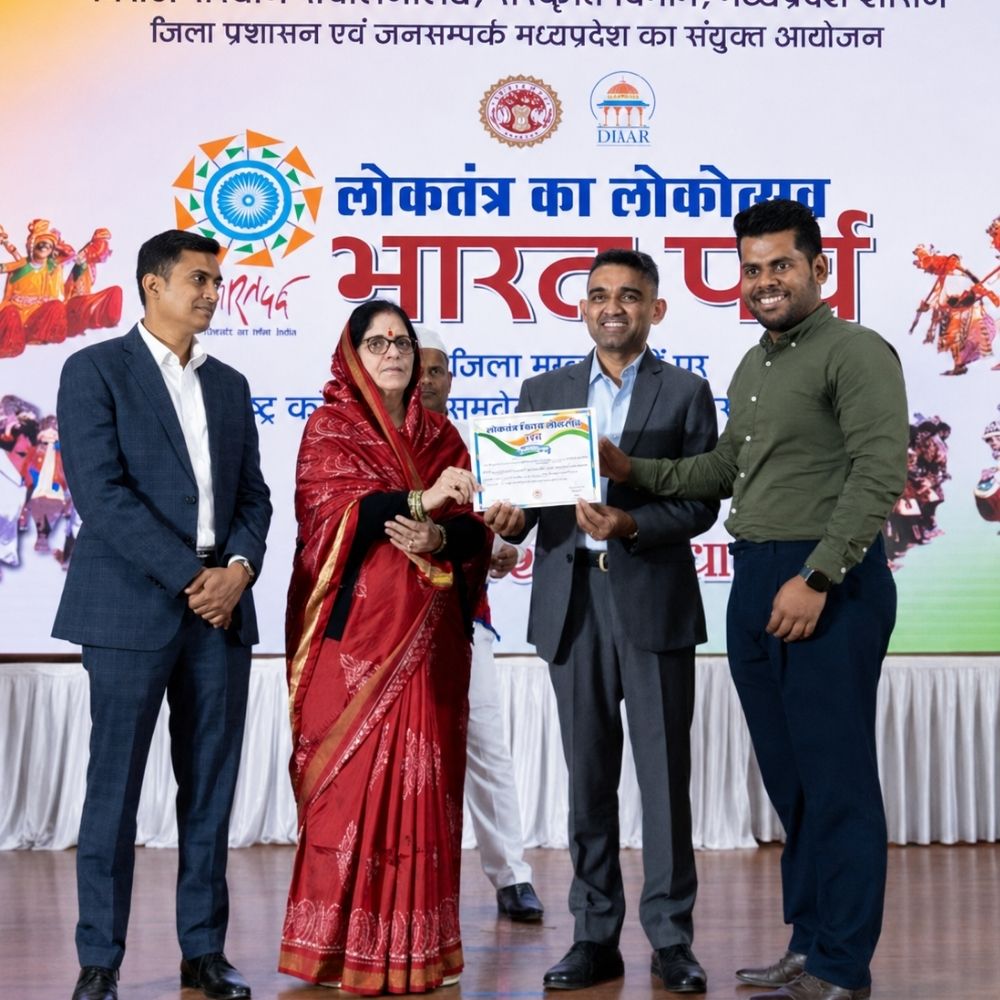
TRI further supported collaboration between communities and institutional stakeholders, including frontline departments, IHAT-UPTSU representatives and UNICEF teams. This helped strengthen dialogue, coordination and trust between community members and public health systems.
Building Community Ownership Around Health
Field experiences revealed that barriers to healthcare were often shaped not only by infrastructure gaps, but also by social norms, hesitation and limited access to reliable information. As discussions continued within communities, awareness around preventive healthcare, immunization, nutrition and timely care-seeking gradually increased. Health began to emerge as a shared community concern rather than an issue addressed privately within households.
This growing sense of ownership became visible during Gram Panchayat and Block Visioning Workshops, where women, adolescents, Panchayat representatives and frontline workers collectively identified healthcare, sanitation, nutrition awareness, maternal wellbeing and adolescent health as key priorities for local development. These discussions also contributed to the integration of health-related priorities into decentralized planning processes such as the Gram Panchayat Development Plan (GPDP).
The initiative helped strengthen community-led health awareness across Koraon by building the capacities of more than 75 Change Vector Didis and mobilizing over 100 women leaders to champion health discussions within their villages. More than 130 Village Organization meetings incorporated conversations on maternal health, nutrition, menstrual hygiene and child care, creating regular platforms for information sharing and collective problem-solving. Community participation increased across over 50 VHSND sites, while stronger engagement between women’s collectives, Panchayats, frontline workers and public health institutions improved trust and access to services. As health discussions became more frequent and inclusive, communities demonstrated greater awareness of preventive healthcare practices and a stronger commitment to integrating health priorities into local planning and development processes.
Towards Sustainable Community-Led Change
The experience from Koraon highlights that long-term health transformation depends not only on service delivery, but also on informed communities, local participation and collective ownership. Through the Neighbourhoods of Care model, TRI helped strengthen women’s institutions as platforms for dialogue, awareness and grassroots leadership around health and wellbeing.
As more women began participating in discussions, asking questions and guiding conversations within their communities, health gradually became part of a broader collective effort towards dignity, wellbeing and inclusive rural development.