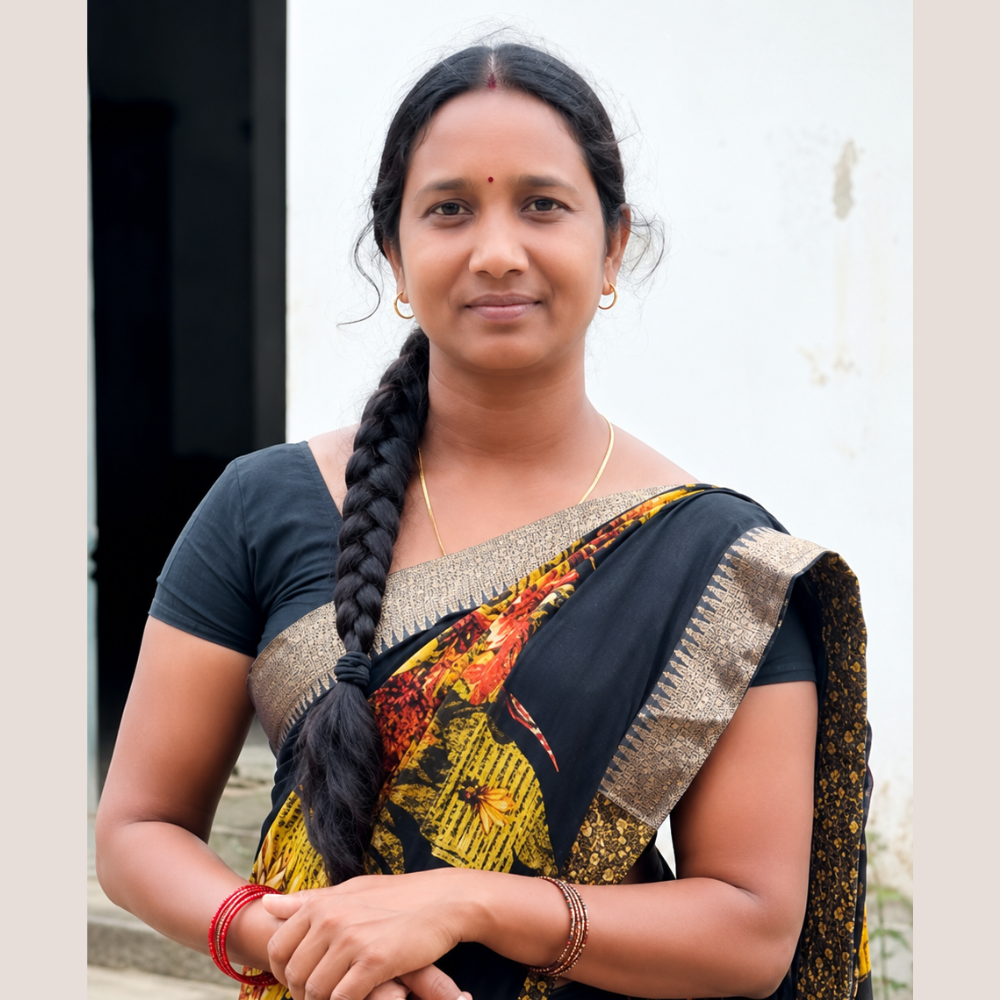
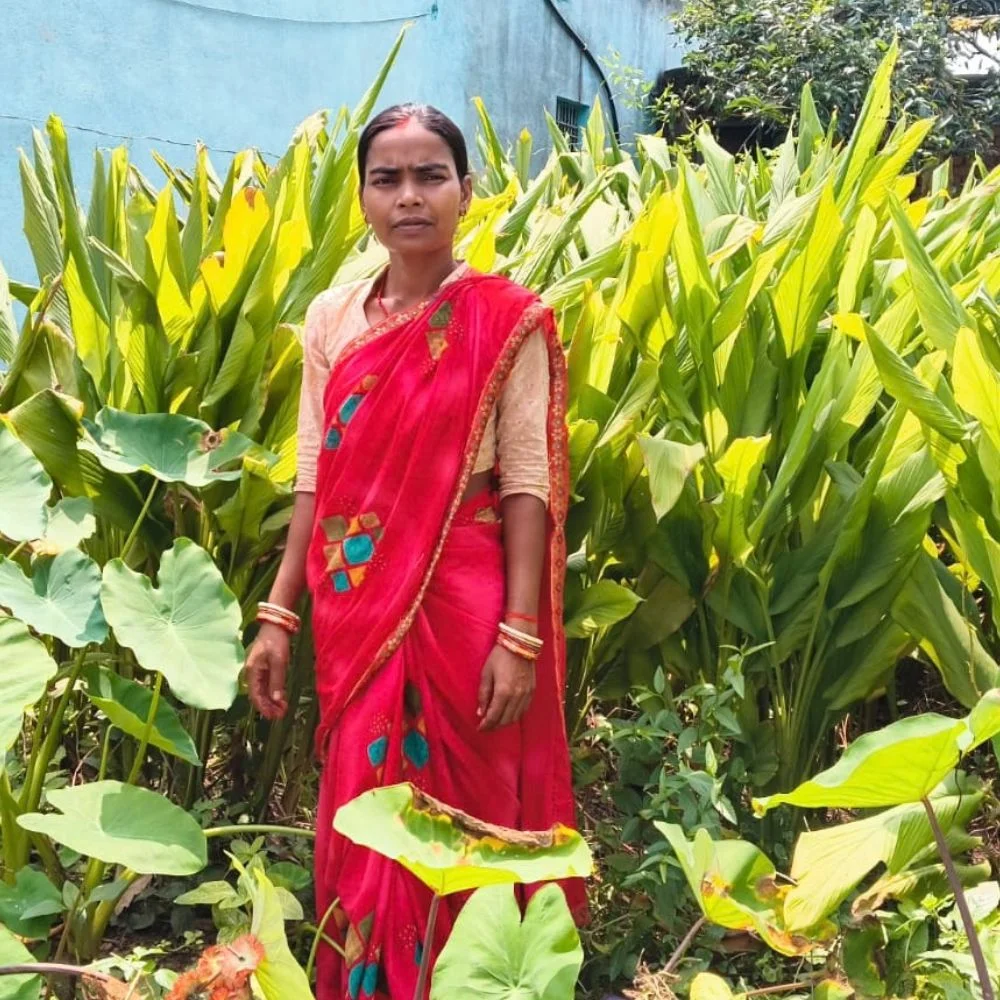
Every time someone in Kashdega village of Dumardih Panchayat in Kurdeg Block, Simdega district faces a health crisis, there is one person they instinctively turn to. Whether it is a child living with an untreated illness, a pregnant woman in distress or a family unsure of where to seek help, they know Urmila Kispotta will not simply offer advice. She will stay with them until a solution is found.
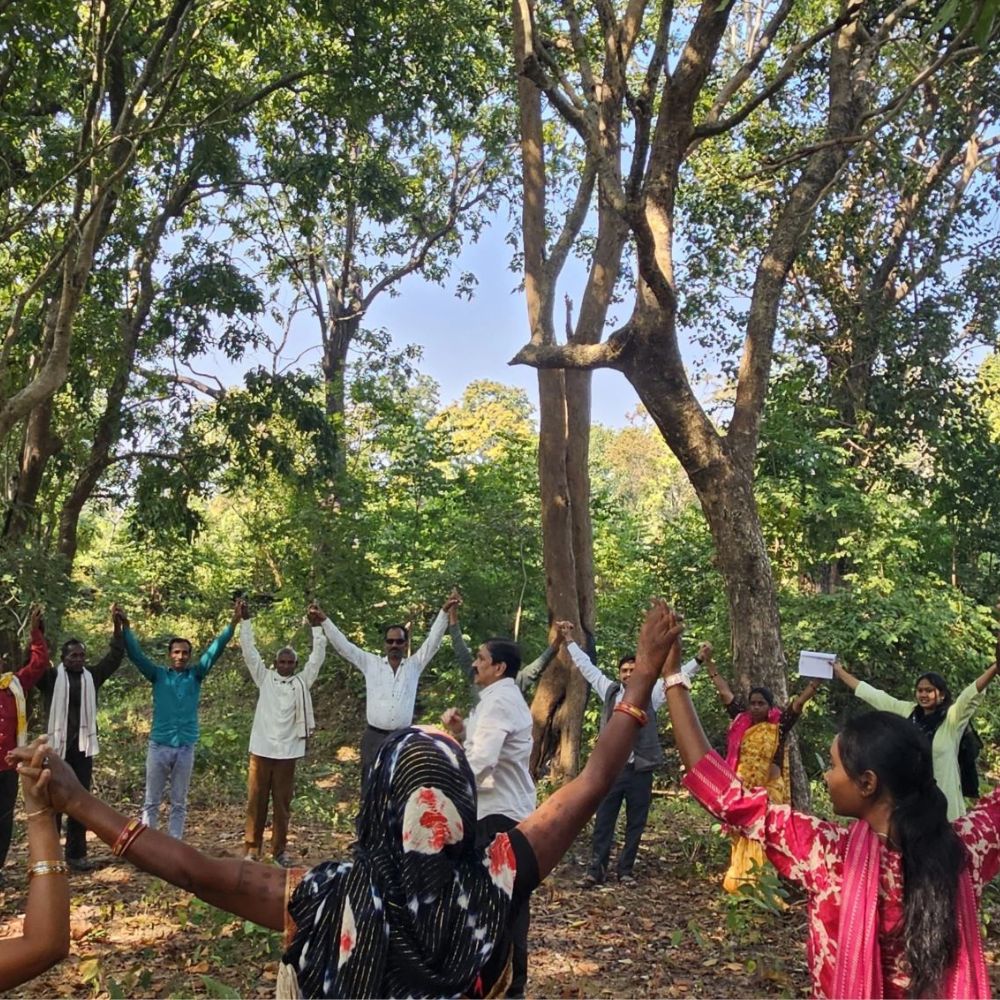
Through Transform Rural India’s Neighbourhood of Care (NoC) initiative, Urmila is part of a growing network of trained community leaders who bridge the gap between vulnerable families and the public health system. The initiative strengthens healthcare from within communities by equipping trusted local leaders to identify health risks early, connect families with government services and schemes, and ensure they receive timely care. In Kashdega, however, Urmila is known less by her title and more by the confidence her neighbours have in her. They know she will walk beside them until they receive the care they need.
For Urmila, caring for her community has become second nature.
Her journey began during the COVID-19 pandemic, when fear and misinformation made many families hesitant about immunisation. Urmila spent her days visiting homes, patiently listening to people’s concerns, answering their questions and encouraging them to trust vaccination. Those conversations did more than improve awareness. They built trust, and over time, people began turning to her whenever they faced a health challenge.
That trust eventually became the foundation of her work as a Neighbourhood Leader.
A Child Who Needed More Than Hope
Among the many families Urmila has supported, one story continues to stay with her.
For nearly five years, young Anuj lived with a bleeding navel that refused to heal. His parents, burdened by financial hardship and frequent migration to Kerala for work, depended on an untrained local health practitioner because specialised treatment seemed beyond their reach. They even travelled to Sundargarh in Odisha in search of treatment but returned home without a solution. Gradually, the family began accepting the condition as something they would simply have to live with.
Urmila refused to accept that.
When Transform Rural India organised a health camp in the village, she convinced Anuj’s family to attend and personally ensured that he was examined by the visiting doctors. They immediately recognised the seriousness of his condition and referred him for surgery. For Urmila, however, the referral was only the beginning.
Knowing the family’s financial constraints, she helped them secure an Ayushman Bharat health card so they could access treatment without worrying about the cost. She coordinated the treatment process, followed up with the family and ensured they never had to navigate the health system alone. Today, Anuj is healthy and thriving, and his family affectionately calls Urmila their lifesaver.
For Urmila, this is what care truly means. It is not just about helping someone reach a hospital. It is about staying with them until they recover. This spirit of walking alongside families lies at the heart of the Neighbourhood of Care, where trust becomes the bridge between communities and the health system.
Standing Beside Manju
While helping families navigate illnesses became part of her everyday work, some situations demanded not only knowledge of the health system but also immense courage and compassion.
Manju, an unmarried adolescent, was eight months pregnant and under immense pressure from her family to terminate the pregnancy. Fear, stigma and uncertainty had pushed the family towards a decision that placed both her life and that of her unborn child at serious risk.
Recognising the urgency of the situation, Urmila sat with the family and encouraged them to consult a doctor before making any decision. The doctor confirmed that an abortion at such an advanced stage would be life-threatening. Urmila ensured that the family understood the medical advice and chose the safer course of action.
From then onwards, she remained by Manju’s side through every step of the journey. She arranged Iron-Folic Acid tablets, calcium supplements and a TT injection, accompanied her for hospital visits and continued offering reassurance during an emotionally difficult time. She stayed with Manju throughout the delivery, and when the newborn required specialised care in the Special Newborn Care Unit, Urmila continued supporting the family until both mother and baby returned home safely.
For Manju, Urmila’s support went far beyond healthcare. At one of the most vulnerable moments of her life, she found someone who listened without judgement, stood beside her with compassion and ensured she received the care and dignity every woman deserves.
These are the moments that define Urmila’s leadership. Whether she is helping a family obtain an Ayushman Bharat health card, accompanying someone to a health facility or following up after treatment, she does not wait for services to reach people. Instead, she brings people closer to services, ensuring that distance, financial hardship or social barriers do not prevent anyone from accessing quality healthcare.
Through Transform Rural India’s Neighbourhood of Care, Urmila has become part of a growing network of community leaders strengthening healthcare from within communities. But her impact cannot be measured only through referrals, health camps or government schemes accessed. It is reflected in the confidence her neighbours now have that they will never have to face a health crisis alone.
Today, in one of the farthest corners of Kurdeg Block, Urmila continues to strengthen her neighbourhood, one family at a time. A child receives life-changing treatment. A young woman safely delivers her baby. Families choose hope over helplessness because someone they trust is walking beside them.
For the people of Kashdega, Urmila is more than a Neighbourhood Leader. She is the neighbour who answers every call for help, stays long after others leave and quietly demonstrates that the strongest health systems are built not only in hospitals, but in communities where care, trust and compassion come together.