Every district in India is dotted with good ideas that never made it past the file cover. A safety scheme drafted but never funded. A sanitation drive launched with fanfare and forgotten within a quarter. A farmer friendly dashboard built by an outside consultant, used once, then abandoned because nobody in the system actually owned it.
The gap isn’t usually a shortage of ideas. It’s the distance between an idea and the machinery required to carry it forward, the departments that need to agree, the officials who need to be convinced, the paperwork that needs to exist before a rupee can move and the people on the ground who need to trust that this, unlike the last five things, is actually going to happen.
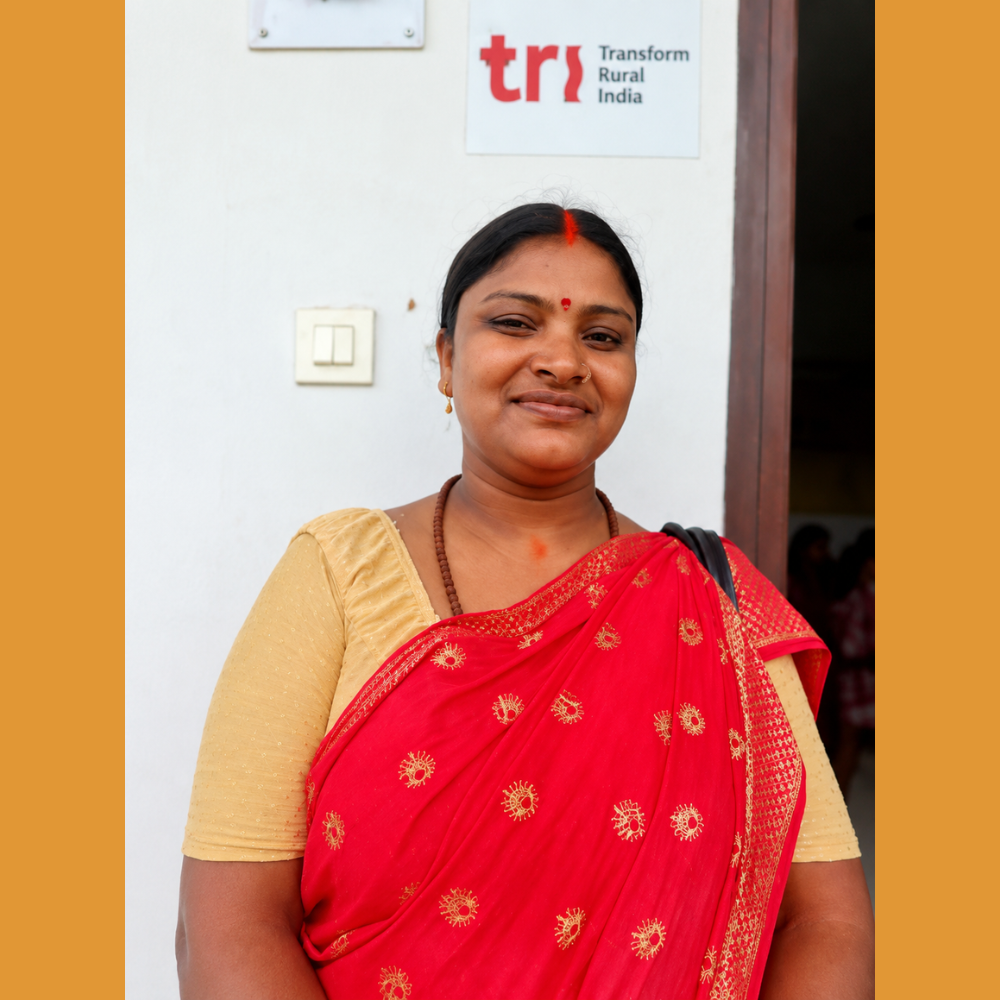
This is the gap I stepped into when I joined the Dhar Collectorate, Madhya Pradesh as a Public Policy in Action (PPiA) Fellow, a two-year programme placing young professionals directly inside district administrations to work alongside government on real, large scale public programmes.
A Fellow Inside the System
The PPIA Fellowship doesn’t try to solve the government’s problems from the outside. It embeds Fellows inside the system itself, working under the District Collector, across departments, for long enough to actually see initiatives through rather than hand over a report and leave.
In my case, that meant becoming the connective tissue across four very different initiatives: women’s safety, sanitation, agriculture and waste management. In each, my job wasn’t to arrive with a finished solution. It was to figure out who needed to be at the table, build the documentation the system runs on and stay involved long enough for early plans to survive contact with reality.
Four Doors, One Approach
Take the Nirbhaya Fund initiative. Making a district safer for women isn’t one department’s job, it cuts across Women and Child Development, Health and Police. Before the roughly ₹10 crore central scheme could move an inch, someone had to run stakeholder assessments, draft the Detailed Project Report (DPR), write the proposal and build the presentation that would carry it through approvals. That someone was me. The proposal has since cleared the district level and is now awaiting state approval.
Or take Wash on Wheels, a state initiative under Swachh Bharat Mission Gramin that connects trained sanitation workers with communities through an app, for cleaning toilets and public spaces. My role here ran from identifying and mapping workers to running the training that turned interested residents into a certified, employable workforce.
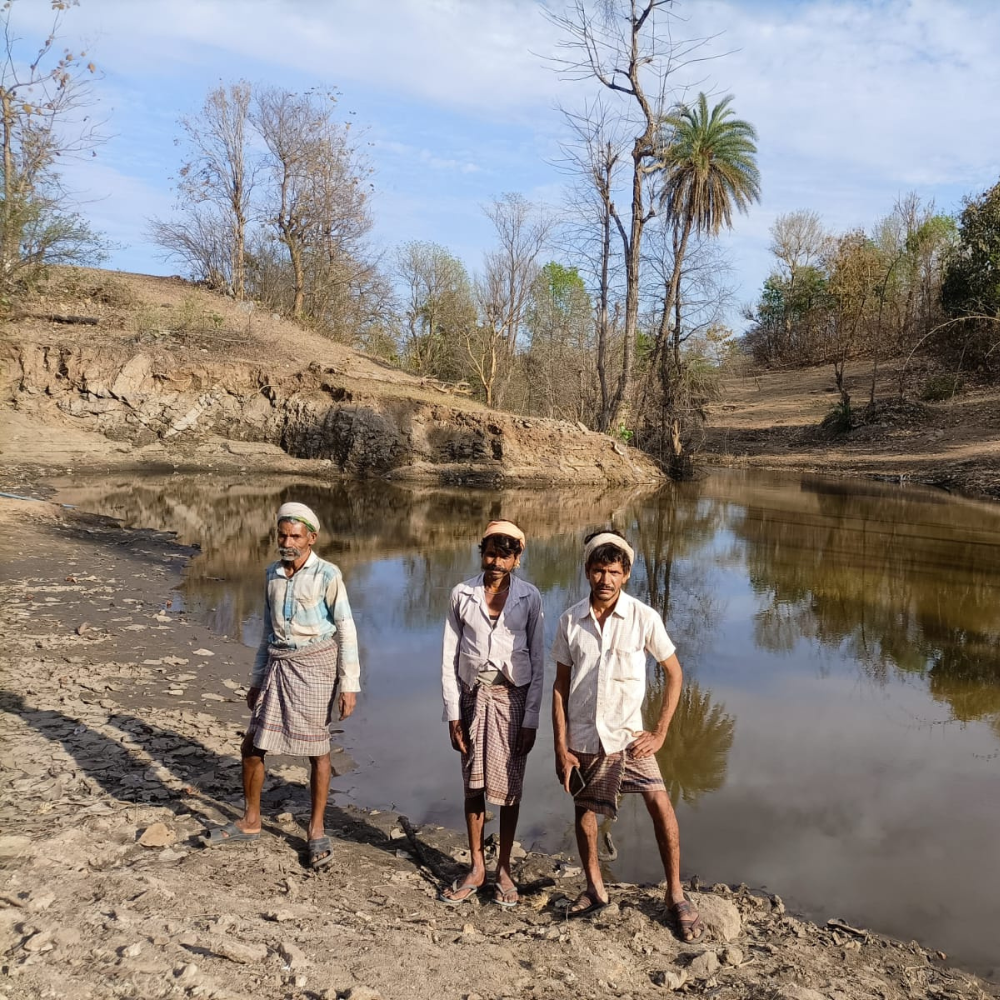
With Parali se Rozgaar, the challenge was stubble burning, a problem usually approached with warnings and penalties. Instead, working with the Agriculture Department, I built a dashboard linking farmers with vendors, turning crop residue from a pollutant into a source of income.
And in the fourth initiative, a proposed waste management partnership with Plan Foundation, the groundwork has meant identifying panchayats, an initial five to ten, and moving a Memorandum of Understanding (MoU) toward final approval.
Across all four, the pattern repeats: assessments, documentation, relationship building and staying in the room long after the initial design work is done.
What’s Different Now
The numbers are still early, but they are real. Seventy-five sanitation workers are now trained and registered under Wash on Wheels, with more than ₹30 lakh mobilised from panchayat funds, and four to five workers have already earned over ₹60,000 each in six months. Under Parali se Rozgaar, farmer organization has generated more than ₹40 lakh in revenue, with two vendors now in active discussion with the Collector. The Nirbhaya Fund proposal has crossed its first major approval gate. Panchayats for the waste management partnership are identified and ready to move once the MOU is signed.
None of these are finished stories. But each has moved from an idea on paper to something with a budget, a beneficiary and a next step, which, inside a public system, is its own kind of milestone.
The Long Game
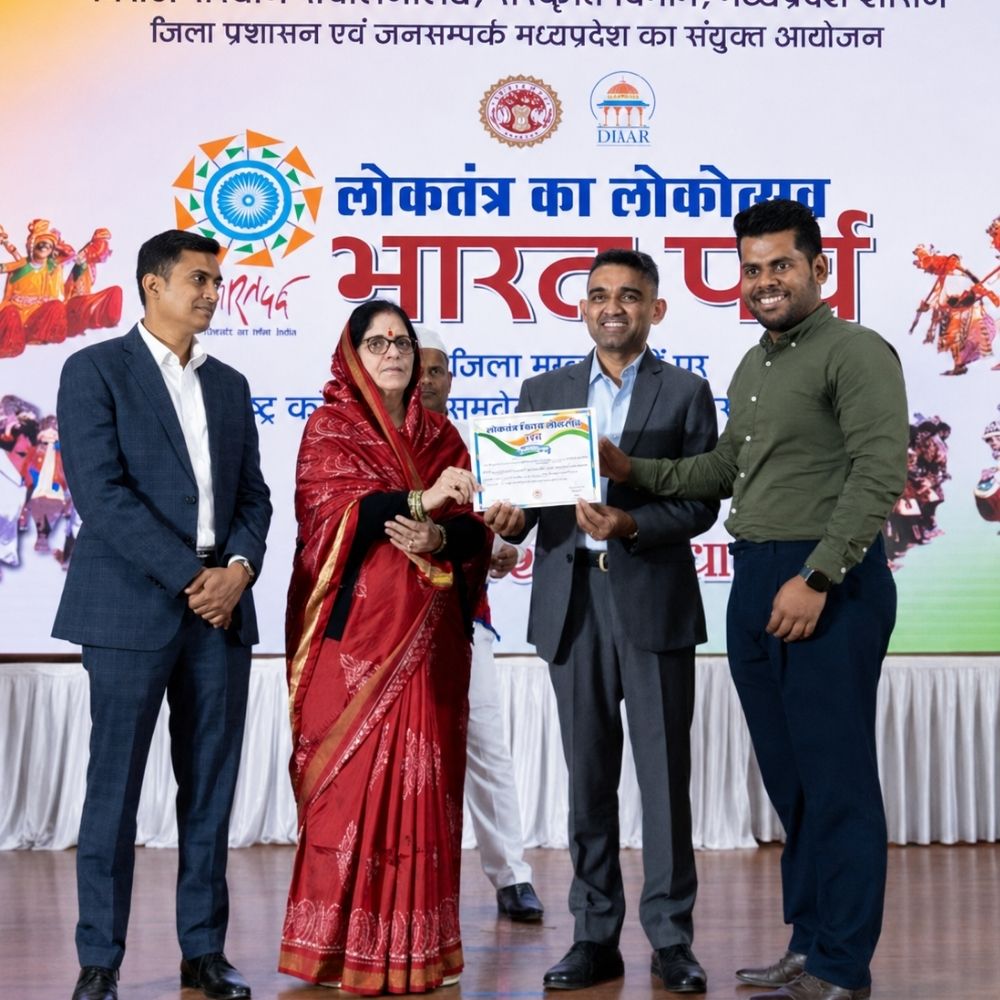
The next phase looks different for each initiative: an economic and social viability study for the sanitation workforce, state level sign-off for the Nirbhaya Fund proposal, onboarding vendors for crop residue collection and finalising the waste management MoU to bring panchayats on board. Along the way, the Collector’s office recognised the work with a Letter of Recommendation, and I was felicitated on Republic Day alongside the Collector, SP and MLA, a marker, more than anything, of how far the relationships had come.
But scaling this model isn’t really about scaling any one initiative, it’s about scaling the role itself: young professionals placed inside district systems long enough to build trust, not just submit proposals. The Fellowship’s two-year window matters here. Government doesn’t move on urgency, it moves on relationships built over time and on people willing to stay past the design phase into the messier, slower work of implementation.
The bigger lesson isn’t a technical one. It’s that policy has to keep adapting to topography, geography and people. Nothing translates directly from design to ground reality. For young professionals considering this kind of work, the value isn’t in bringing new ideas to government. It’s in staying long enough to understand a system well enough to actually support the people already working inside it.
That, more than any single dashboard or proposal, is what it takes to go from being an outsider in a public institution to becoming a trusted partner in the work.