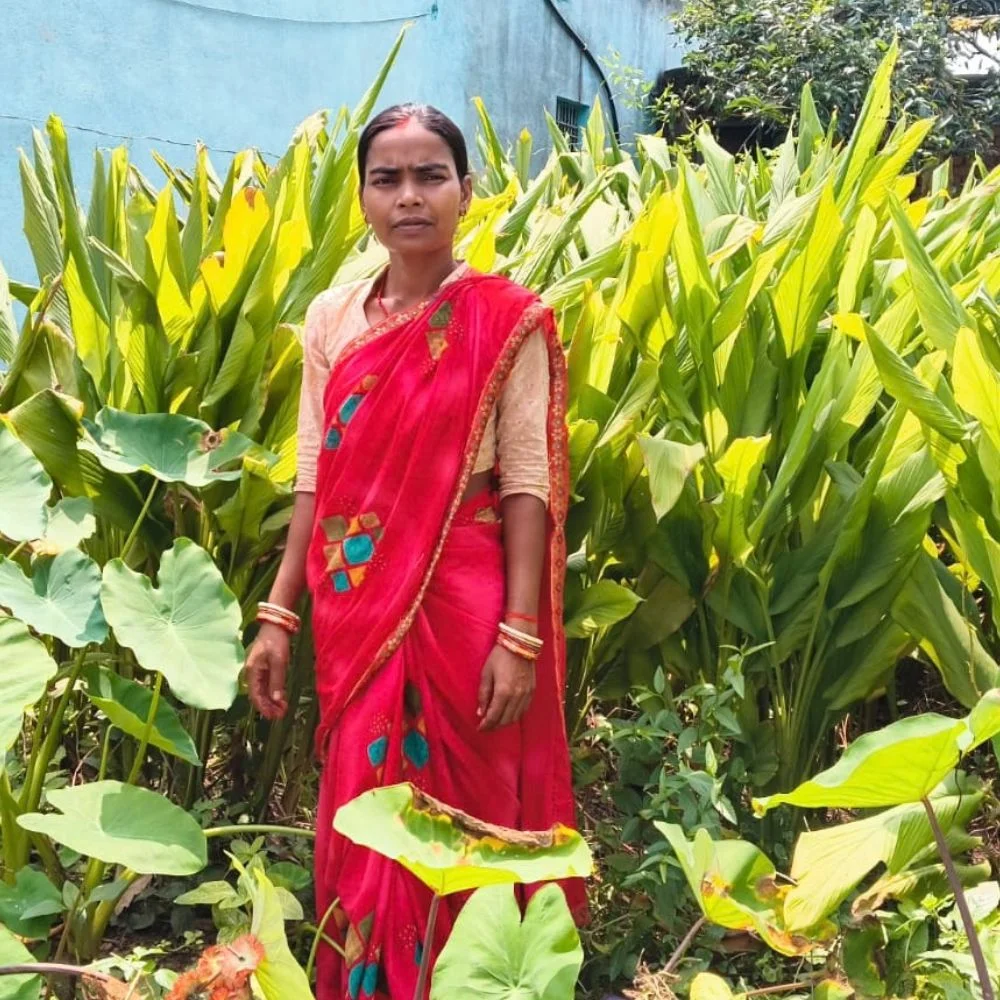
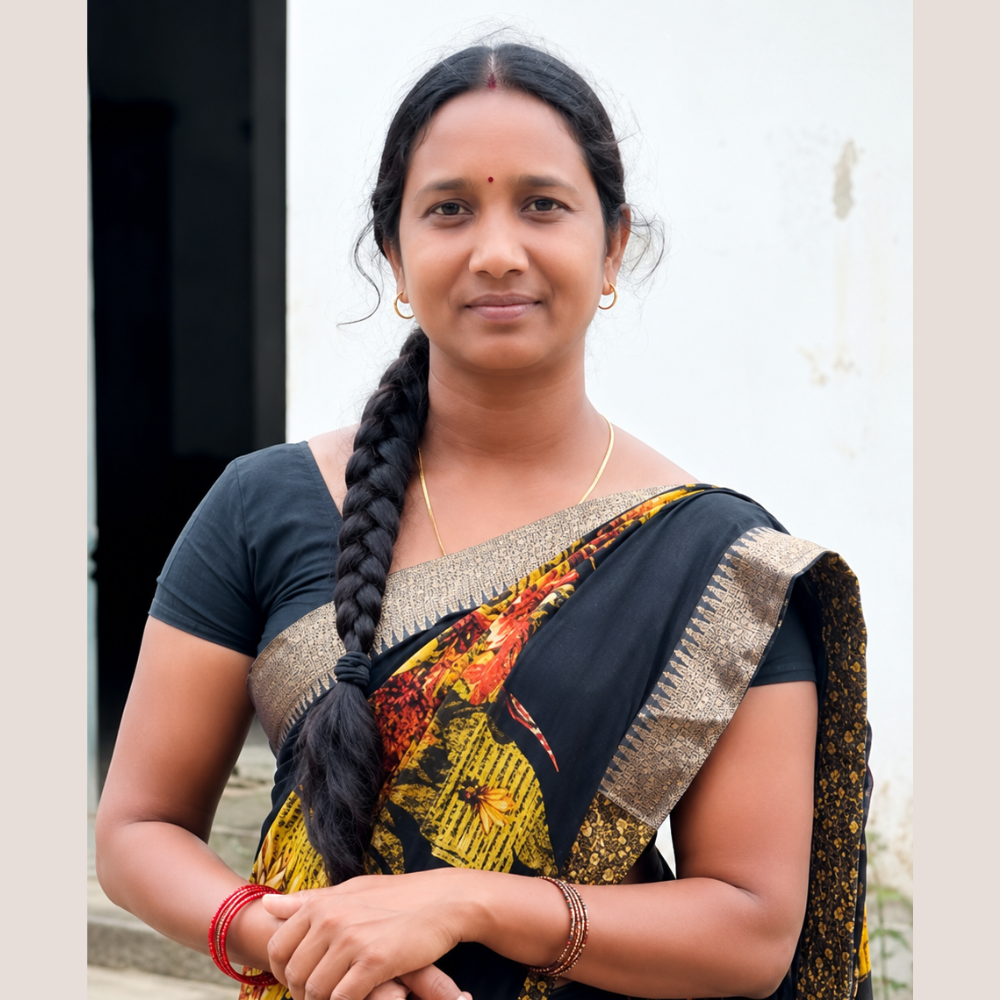
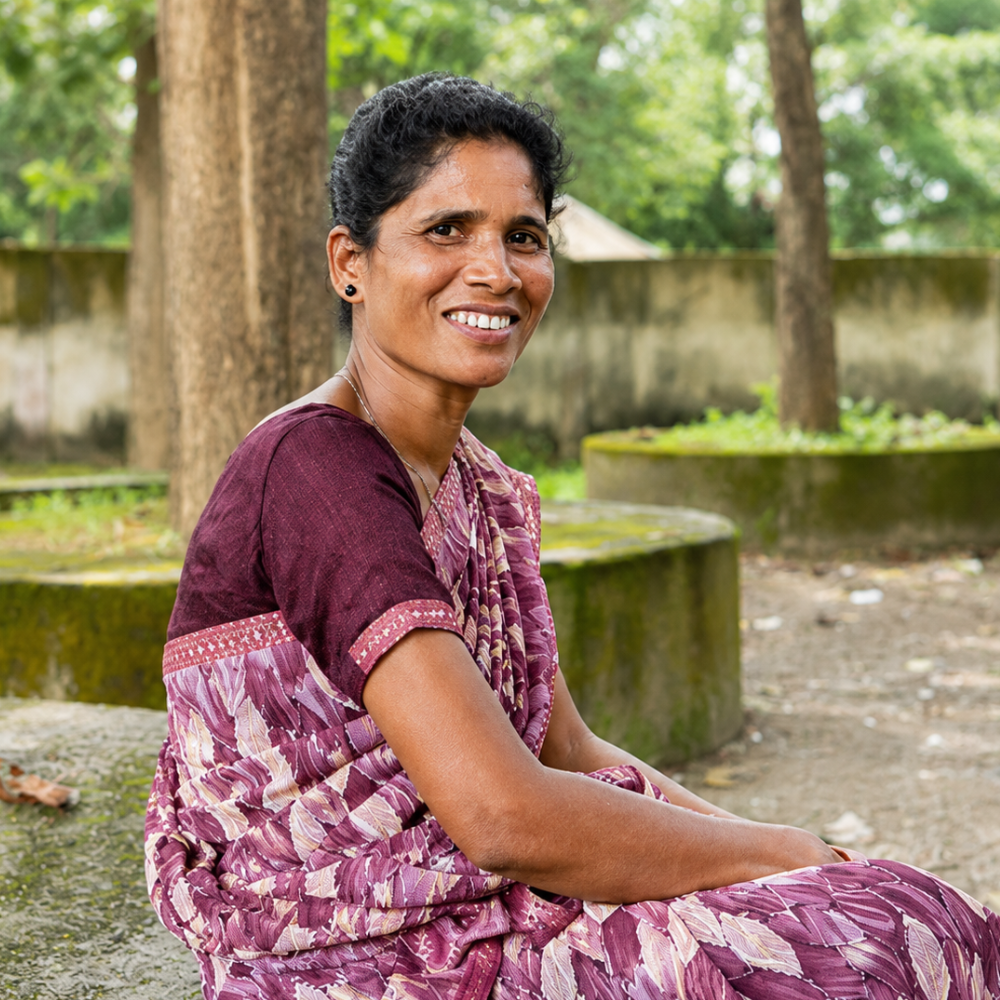
For years, the rule at Asha Kumari’s dinner table was fixed. “We will eat first, give the food to all the men first,” the elderly men would say. Now the family simply serves everyone together as soon as the food is ready.
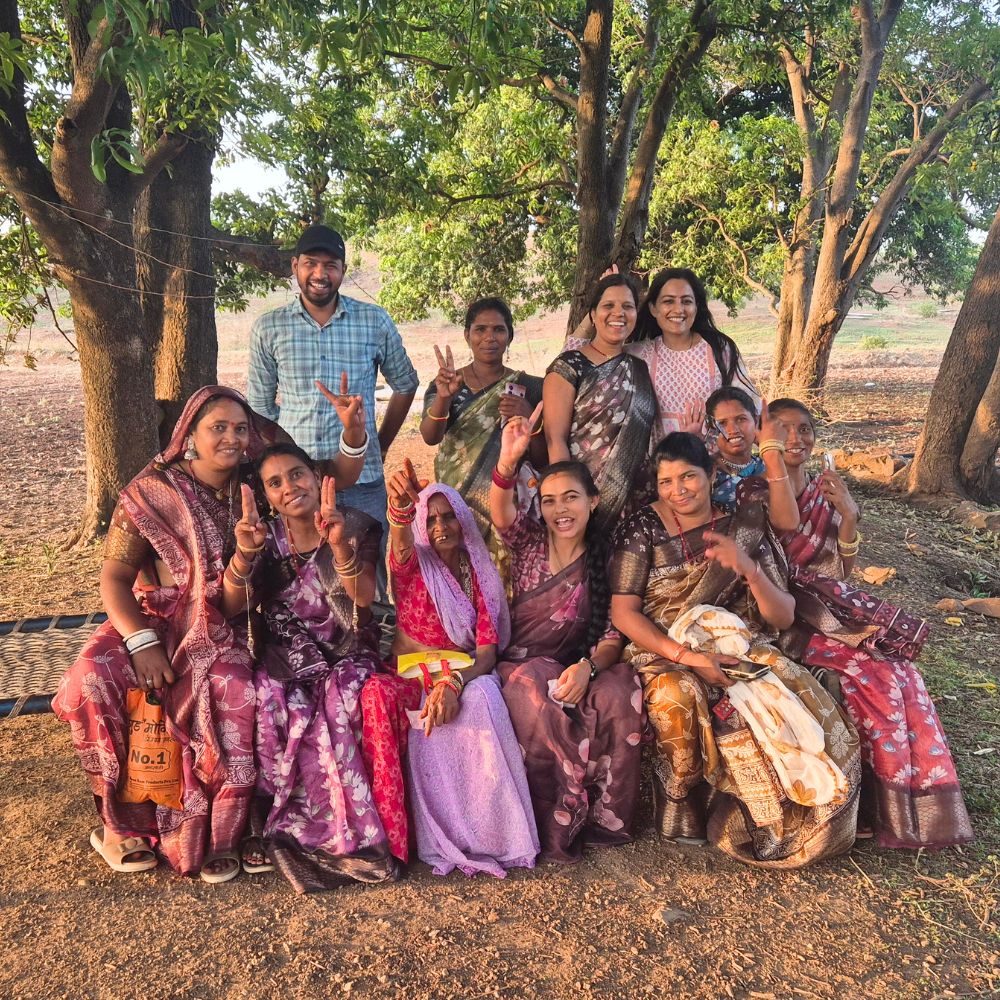
The change did not come from an outside directive. It came from Asha herself, a resident from Gola block of Jharkhand trained by Transform Rural India (TRI) as a Change Vector. Through this training she was introduced to hygienic health practices and government healthcare schemes, and she began carrying that knowledge into the Mahila Samooh (women’s self-help group) meetings she holds across the scattered hamlets of her tola. “Here in our tola everyone stays in hamlets and we call everyone and they participate when there is a meeting,” she said.
Asha’s influence is not limited to the sessions. She leads by personal example, and the changes she describes began in her own home before they reached the wider community.
Changes at the dinner plate
Her mother-in-law and sister-in-law, who started attending the sessions, now understand proper eating habits, hygiene and handwashing. Her mother-in-law, who once directed the daily routine, now accepts Asha’s suggestions without objection, a shift in the household Asha takes pride in.
“My mother-in-law relies on me and doesn’t say anything about the daily tasks,” Asha said. “She agrees with whatever I say. She understands my perspective too.”
Water tells a similar story. Men with time at home now draw water from the well and carry it to the storage point themselves, a task they once left to the women. “There is no water in the house, you should bring it. You should fetch water first,” Asha recalled them saying. Now they do it without being asked.
The shift has travelled beyond Asha’s household. She has seen a neighbour’s son cook food, fetch water and hold a small child, things he did not do before.
Hands, water and covered food
Asha’s sessions also cover the basics of sanitation and food safety, from boiling drinking water to washing hands after using the bathroom and cleaning vegetables before cutting them. The idea is simple, but the habits are new and catching on. People who once left food and water uncovered now keep them covered. “They keep water or food covered,” Asha said.
What reaches the plate
Dietary diversity has followed the same pattern, starting with pulses. Families who once sold ghunghra (a type of long bean) or let it go to waste now keep it for themselves, having realised they need the protein. “They are not trying to sell it much now,” Asha said.
Papaya has shifted too. Once left to ripen on the tree, to be eaten as fruit or sold, it now turns up as a vegetable dish. “Papaya that used to stay on the tree and ripen, now I see women making vegetable dishes from it and eating it,” Asha said.
Lemons and guava, once neglected or sold on the fear that lemons cause a cough, are finding their way into meals instead. “We should eat at least one fruit, like at least a guava, every day,” Asha said.
From sessions to kitchen gardens
Asha continues to look for ways to improve the community, promoting organic farming and encouraging families to grow kitchen gardens and plant high-nutrition trees like lemon for their own use. She measures her success not in numbers but in what she sees around her.
“I feel very happy that all the families are engaged in kitchen gardens for their own plates,” she said.
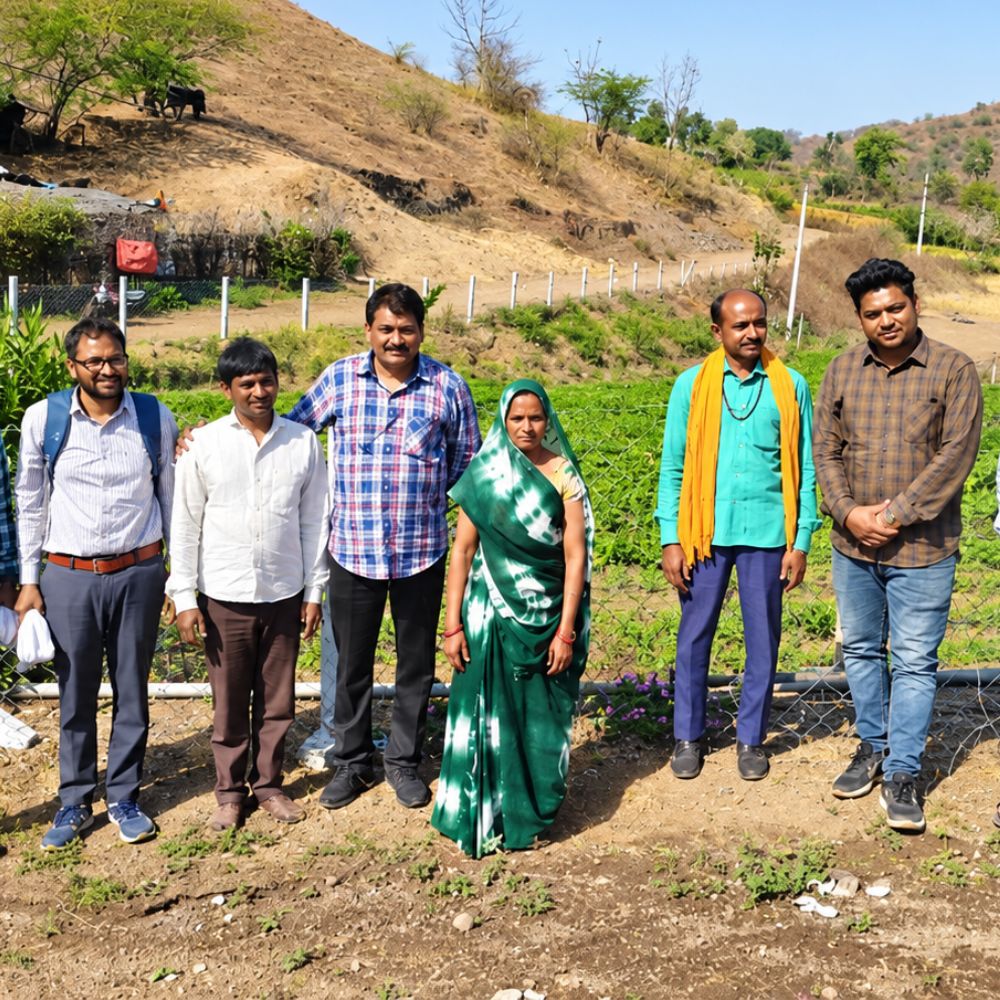
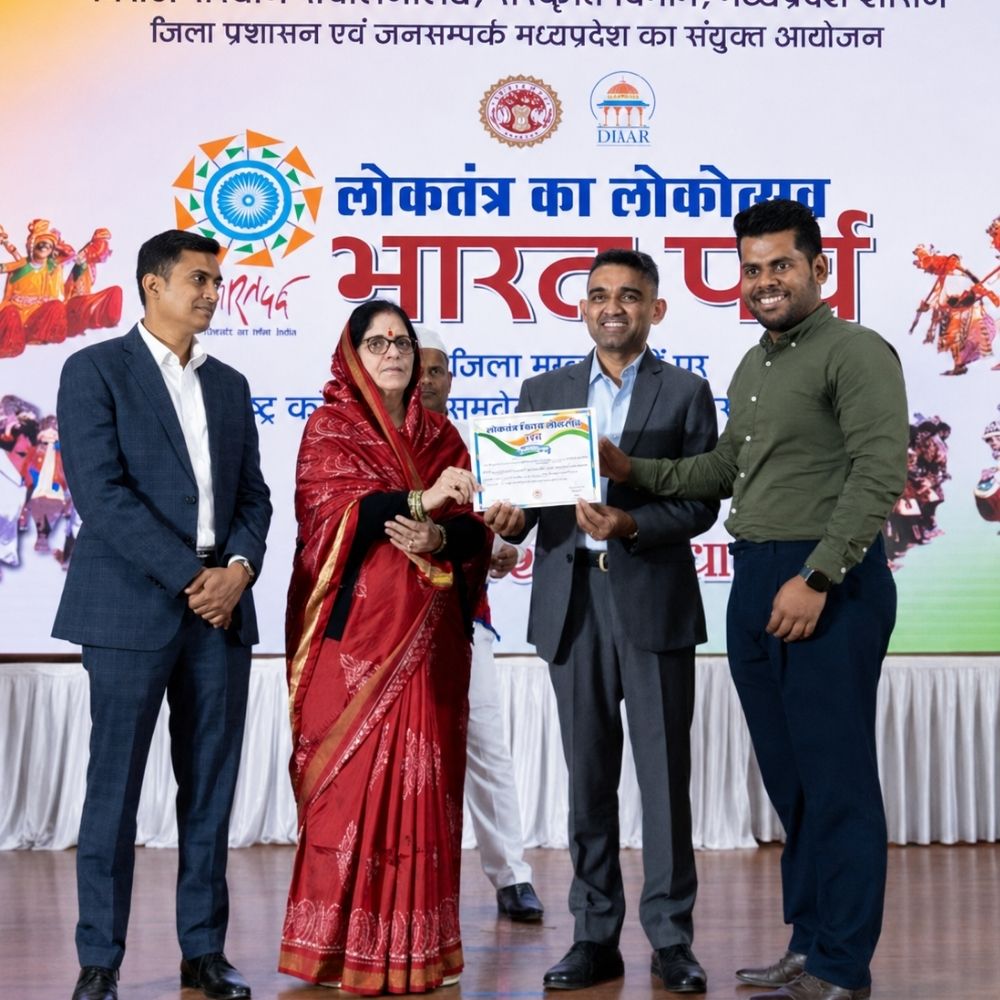
TRI’s continuous training and capacity-building support have helped Asha sharpen her understanding of health and nutrition, and she keeps passing it on through her Mahila Samooh meetings. What started as sessions on food and hygiene has become a practice families now live by, passed from one home to the next across the tola.