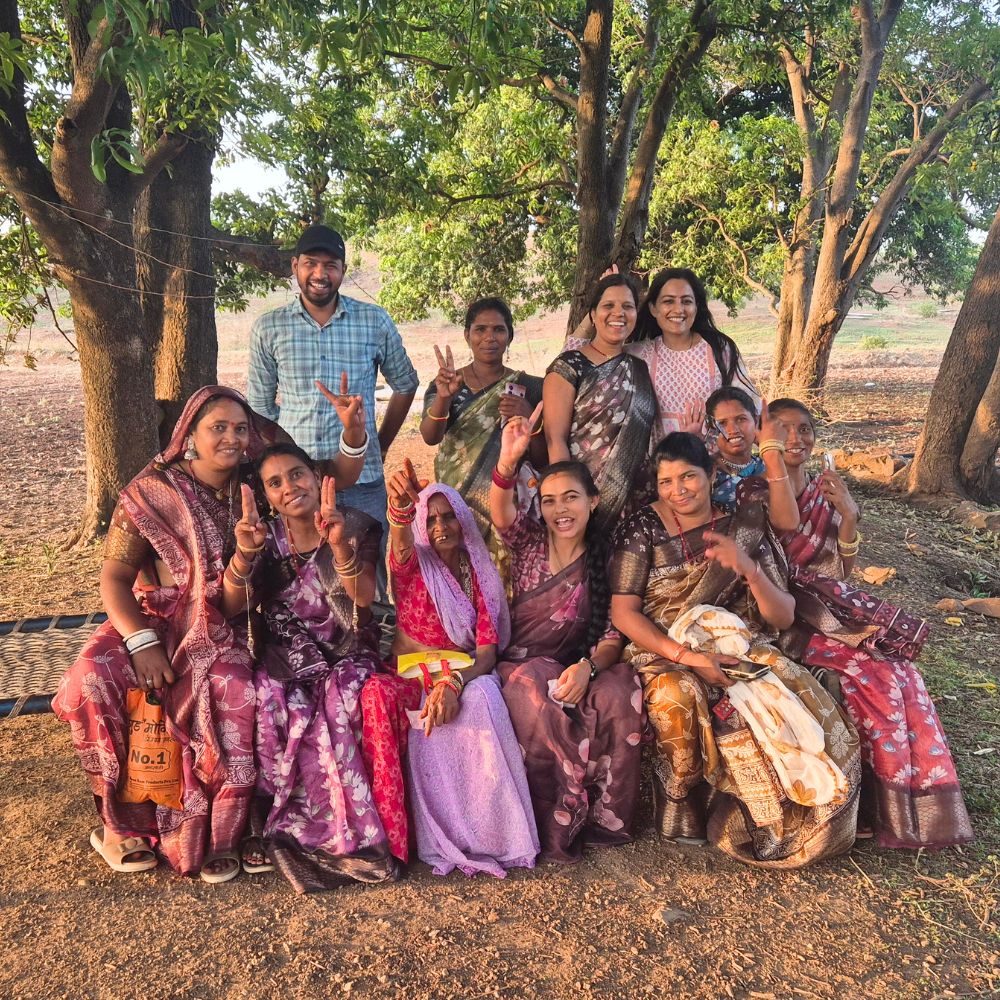
A Panchayat’s work rarely comes with a spotlight. Much of it happens through plans made, people brought together, services strengthened and communities encouraged to take part. Over time, these efforts begin to add up.
In Gola Block of Jharkhand, that work has now received recognition, with three local institutions being honoured for their contribution to development.
For Transform Rural India (TRI) the recognition is a reflection of a longer journey in these Panchayats. TRI has extensively worked across them through its team of designers and experts, supporting a holistic approach to development that looks at the many factors that shape a family’s and a community’s well-being. The work has brought together priorities ranging from livelihoods and agriculture to health, nutrition, education, sanitation, environmental sustainability and local governance, with the larger aim of helping communities break the chains of intergenerational poverty.
The idea is straightforward: lasting change cannot be built by working on one issue in isolation. It requires stronger local institutions, better planning and the participation of the people who know their communities best. In Gola, this approach has been reflected in the way Panchayats, communities, frontline workers, Self-Help Groups, administration and community institutions have come together around local development priorities.
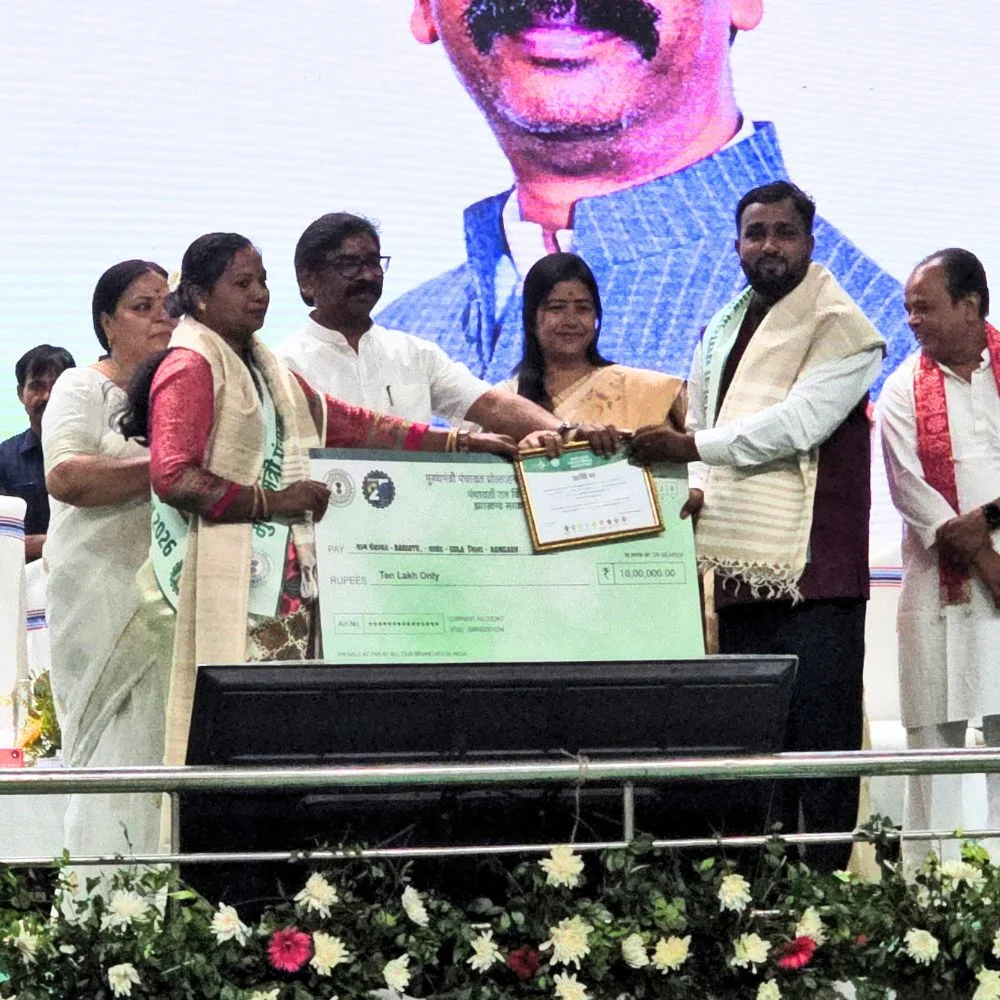
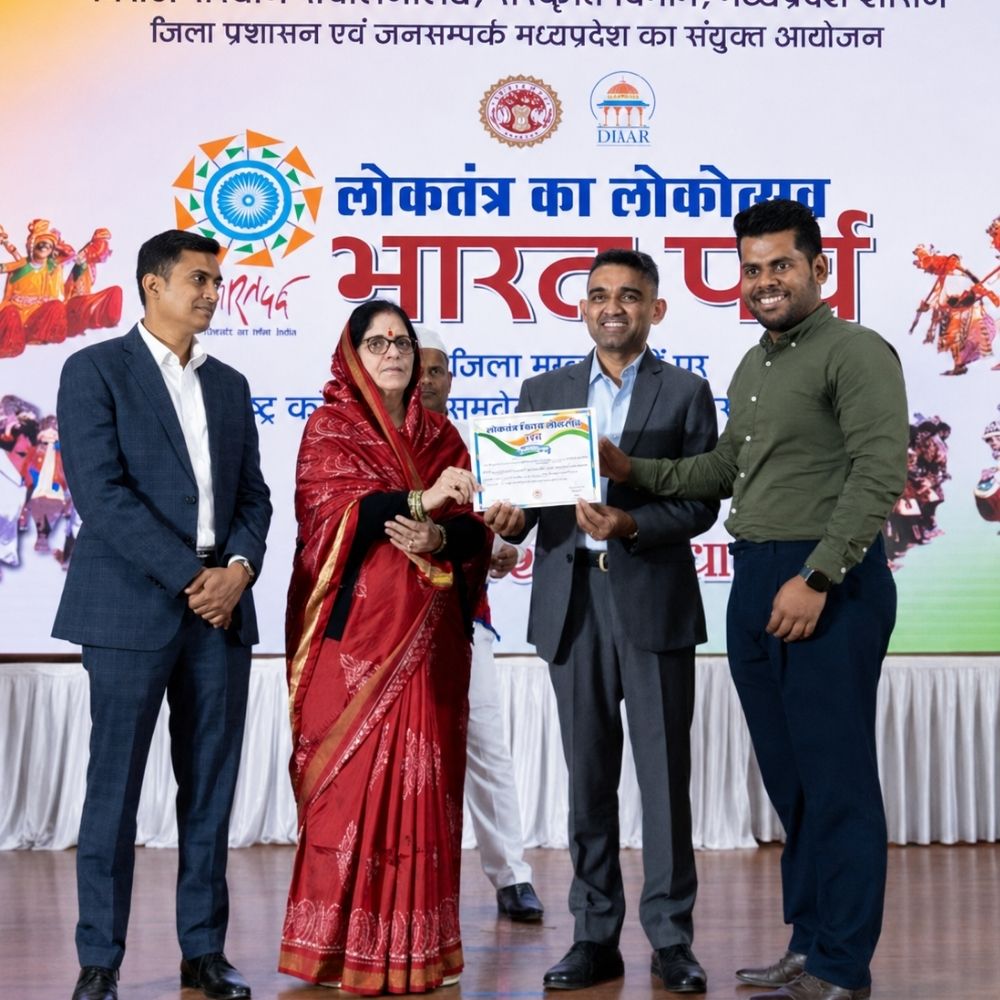
That collective effort has now earned Gola Block a place among the recognised Panchayats and Panchayat Samiti under the Mukhyamantri Panchayat Protsahan Puraskar Yojana. At Ranchi, Hon’ble Chief Minister of Jharkhand, Shri Hemant Soren and Hon’ble Minister, Rural Development Department, Smt. Dipika Pandey Singh, honoured the institutions for their outstanding developmental work.
Building development from the Panchayat level
The recognition is rooted in work that has taken place across different aspects of community life.
In Korambe Panchayat, efforts have focused on strengthening rural healthcare systems, promoting sanitation, improving nutrition services and ensuring active community participation in health initiatives. These efforts earned Korambe Panchayat the recognition of Healthy and Clean Panchayat under the Mukhyamantri Panchayat Protsahan Puraskar Yojana, along with a cash award of ₹10 lakh.
In Bariyatu Panchayat, the work has extended across livelihood promotion, agriculture development, education, health and nutrition, environmental sustainability and inclusive local governance. Bariyatu Panchayat was honoured as an Excellent Panchayat and received a cash award of ₹10 lakh.
The recognition also extended to Gola Panchayat Samiti, which was awarded ₹15 lakh for its exemplary performance.
While each recognition reflects a different area of work, together they point to the importance of looking at development as a connected process. Livelihoods influence household well-being. Health and nutrition shape people’s ability to participate in economic and social life. Environmental sustainability affects the resources communities depend on. And strong local governance creates the space for these priorities to be planned and addressed together.
In Gola, effective GPDP-based planning and active people’s participation have been central to this process. The work has been driven by the collective efforts of Panchayat representatives, administration, frontline workers, SHGs and community institutions, helping translate local priorities into action and create measurable impact at the local level.
From recognition to a larger lesson
The significance of Gola’s recognition lies not only in the awards, but in what the journey demonstrates about the role of local institutions in rural transformation.
Panchayats are closest to the communities they serve. When they are able to plan inclusively, bring different stakeholders together and involve people in shaping local development, they can play a significant role in addressing multiple challenges at once.
The experience of Gola also demonstrates how local governance institutions can contribute towards achieving the Sustainable Development Goals through inclusive planning, convergence and community-led action.
The recognition of Korambe, Bariyatu and Gola Panchayat Samiti is ultimately a recognition of the people and institutions behind this work. BDO Mrs. Sudha Verma, Block Pramukh Mrs. Geeta Devi, elected representatives, citizens, frontline workers, SHGs, community institutions and the administration have all contributed to making this achievement possible.
For TRI it is a proud moment as we have the honour of working alongside these communities and institutions. More importantly, it is a reminder that transformation does not always begin with a big intervention. Sometimes, it begins much closer to home, with a Panchayat bringing people together, understanding what its community needs and building a plan to move forward.