“We worked hard in the fields, but the outcome was never satisfying. We didn’t know what exactly was going wrong.”
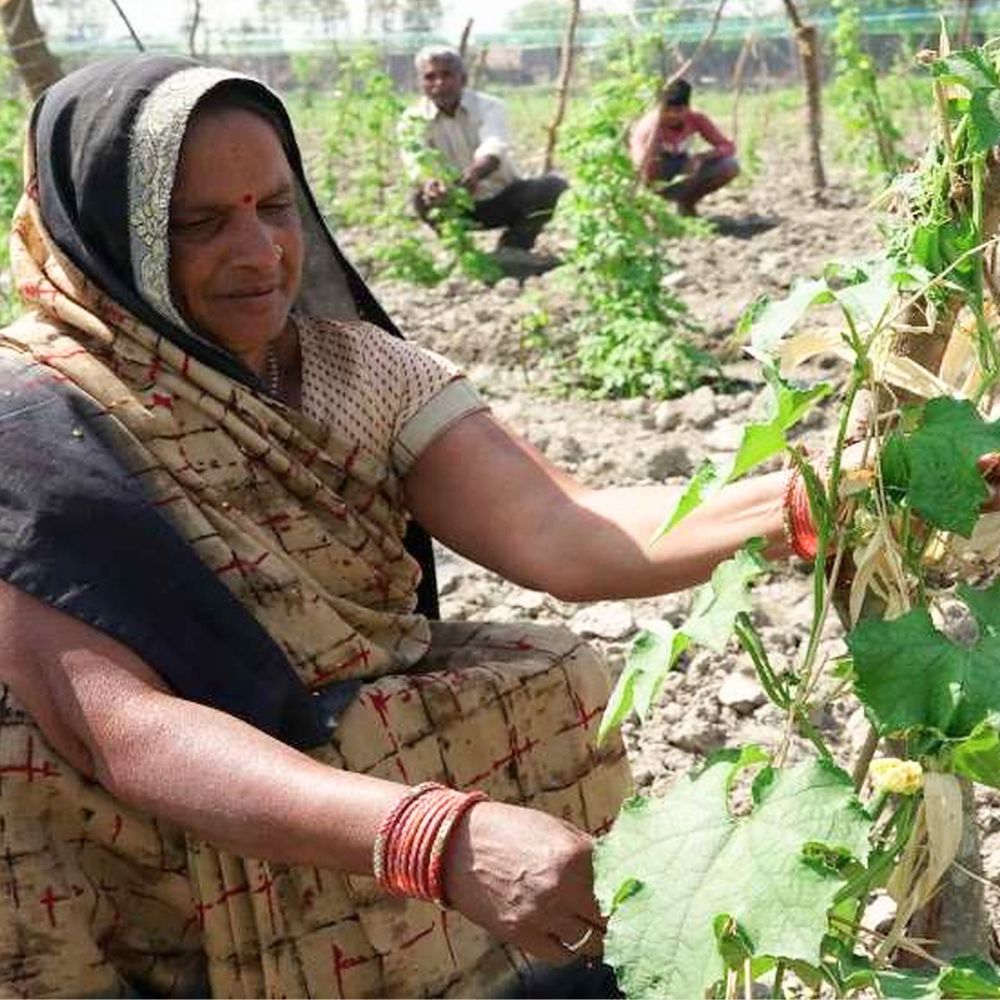
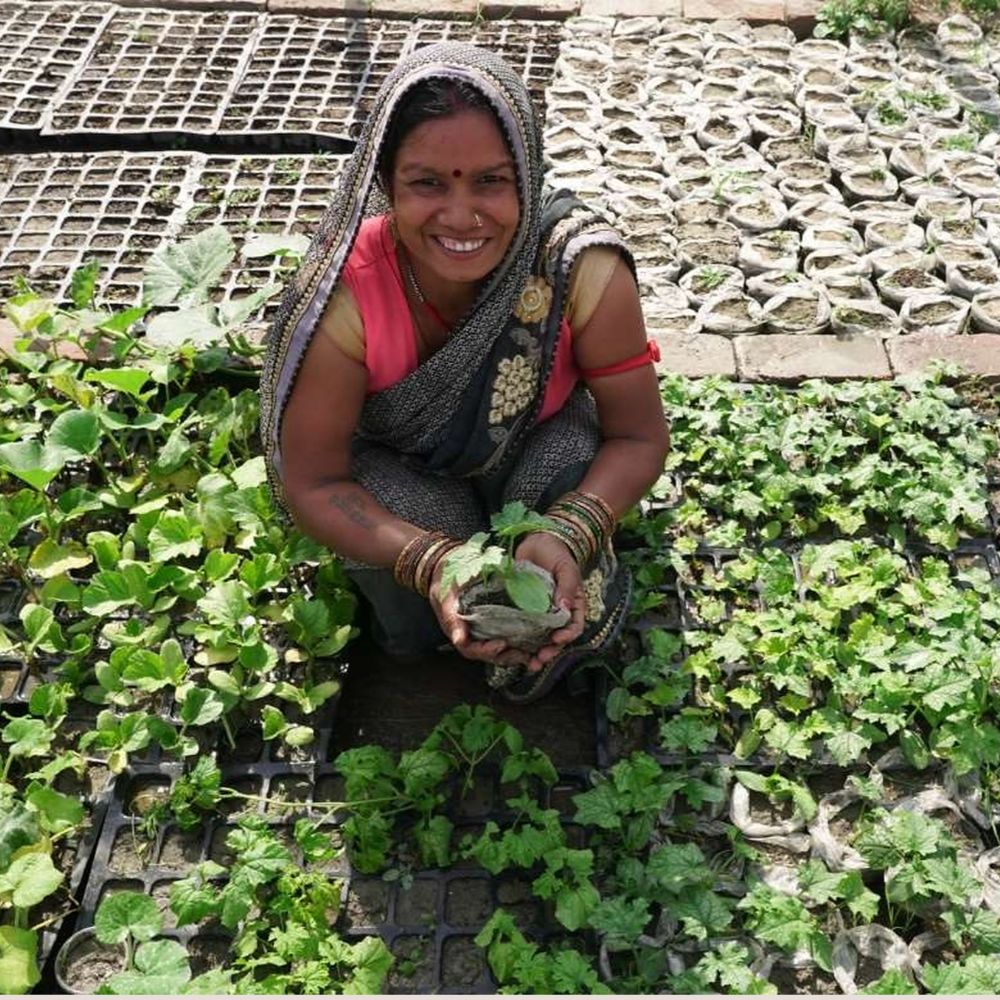
For years, that was the puzzle Anita could not solve. On about 1.25 acres in Dedva village, in the Basant Patti gram panchayat of Mirzapur’s Chhanvey block, she grew paddy, wheat and mustard to support her three children, two sons and a daughter. Farming was the family’s main source of income, and she gave it everything she had.
What she lacked was knowledge. She was never sure which seed or fertiliser suited her crops, or when and how much pesticide to apply. So she did what most small farmers around her did and followed the advice of local shopkeepers, buying whatever they recommended without knowing whether it was good or right for her land. Her input costs stayed high while her harvests stayed low. When the crop was ready, she had no proper market to sell in. Local traders bought it at very low prices and left her with little profit. However hard she worked, the family’s finances barely moved.
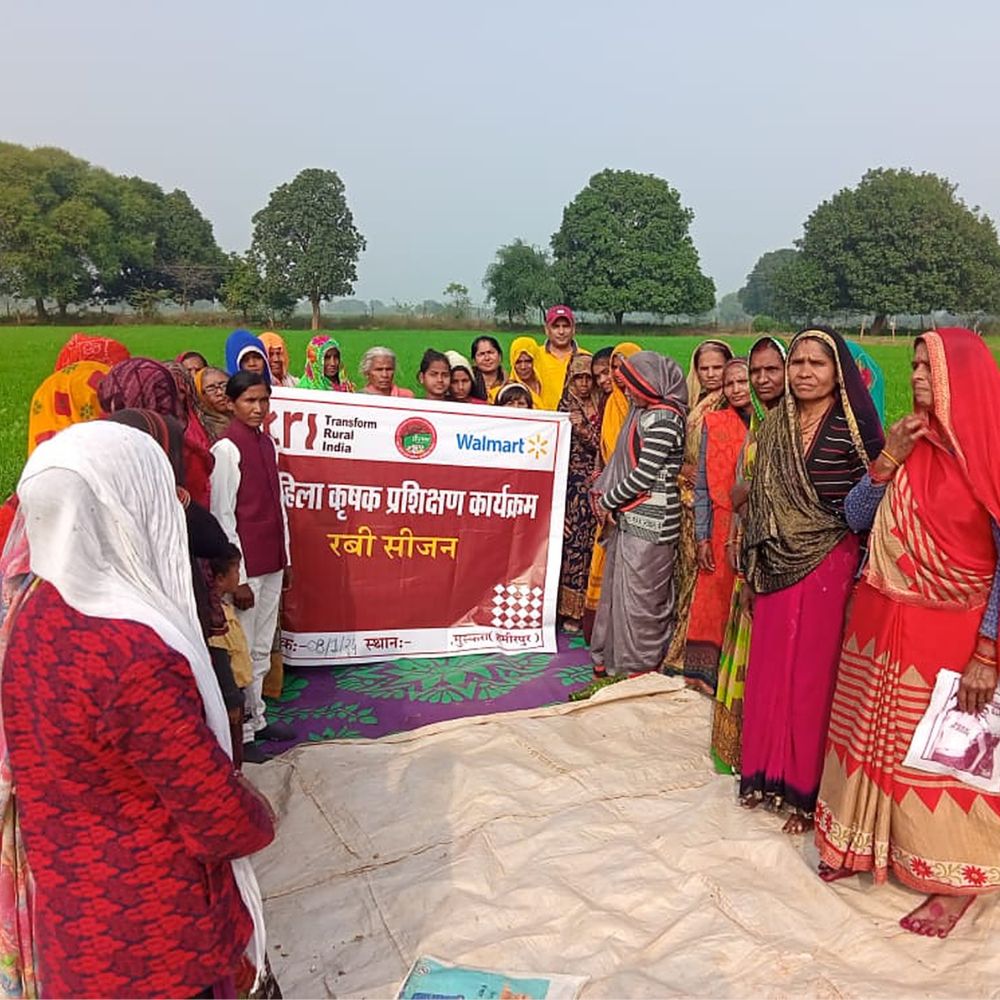
The turning point came when, with support from Walmart Foundation and Transform Rural India (TRI), she was connected with the Chhanvar Farmers Producer Organisation (FPO) and became a shareholder. For the first time, she had an institution of farmers like her working on her side.
The FPO tackled her problems at every step from seed to market. It began with knowledge. Sunita, an agriculture entrepreneur working with the FPO, gave Anita regular technical guidance and training on choosing the right seed for each crop, using fertiliser in balanced amounts and managing pests in an integrated way. Instead of guessing, Anita now understood why each choice mattered.
Next came inputs. With support from the FPO and the Agriculture Department, she began receiving improved-quality seed, fertiliser and pesticide on time, when her crops actually needed them. The FPO delivered these inputs to her doorstep free of charge, saving her both time and money.
The last piece was the market. Rather than waiting for traders to name a price, Anita began selling her produce directly to the FPO. With the middleman out of the chain, she earned a better price for the same harvest.
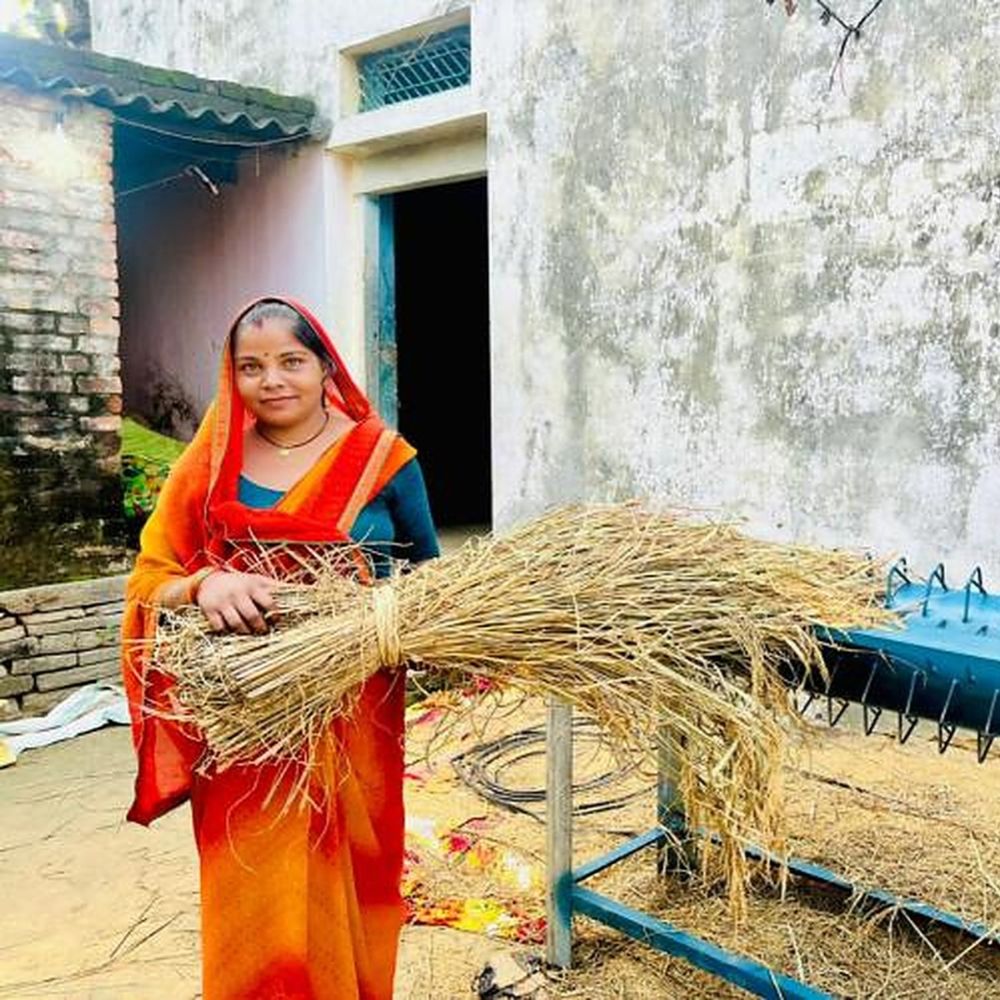
The results showed in the very first year. Her paddy yield rose by 12 quintals over the previous year, and her wheat and mustard production grew by nearly 25 per cent. Within two years, both her productivity and her income had improved significantly. Just as important, she no longer depends on a shopkeeper’s word. She makes her own farming decisions and makes them with confidence.
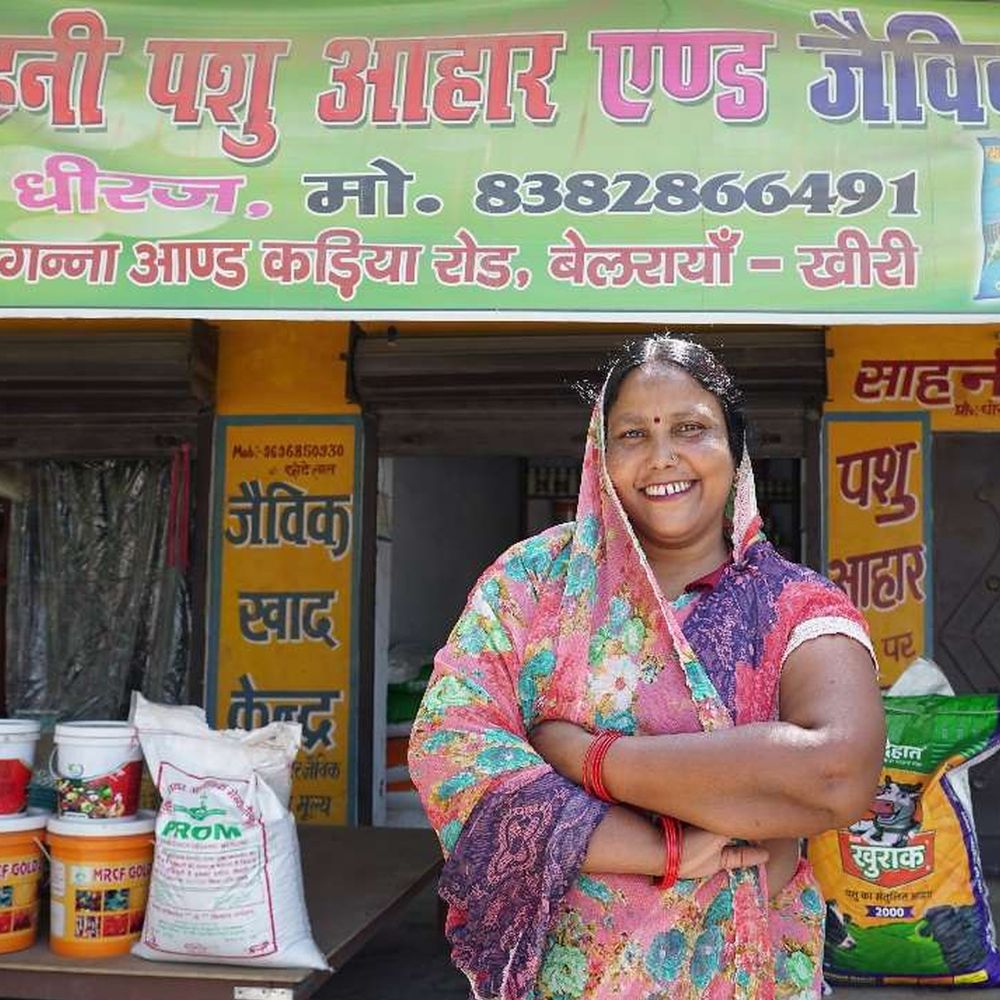
The FPO took notice. Recognising how actively she was involved, it appointed her as a Village Representative. In this role she collects orders for seed, fertiliser, pesticide and cattle feed from farmers in her village and supplies them to their homes through the FPO. The work earns her an additional ₹4,500 to ₹5,000 a month. She has since invested in a paddy harvester worth ₹15,000.
Her role also carries the model further. Every order she collects extends the same doorstep access to quality inputs to another farmer in her village. Anita, who once relied on shopkeepers for answers, has become someone her neighbours turn to and an inspiration for other women farmers around her.
For her, this is only the beginning. Having seen what her land can do, Anita now wants to scale up her farming and use what it earns to build a better life for herself and her children. Not long ago, she could not tell what was going wrong in her own fields. Today she has a plan for them.
“TRI and Chhanvar FPO not only taught me better farming practices but also made me self-reliant,” she says. “Now, I feel empowered as I help other farmers in my village.”