For a small farmer, a good harvest is only half the battle. The other half begins when the crop is cut. It has to be bagged, carried and sold, often to a middleman who sets the price, or hauled to a distant market at a cost that eats into whatever profit is left.
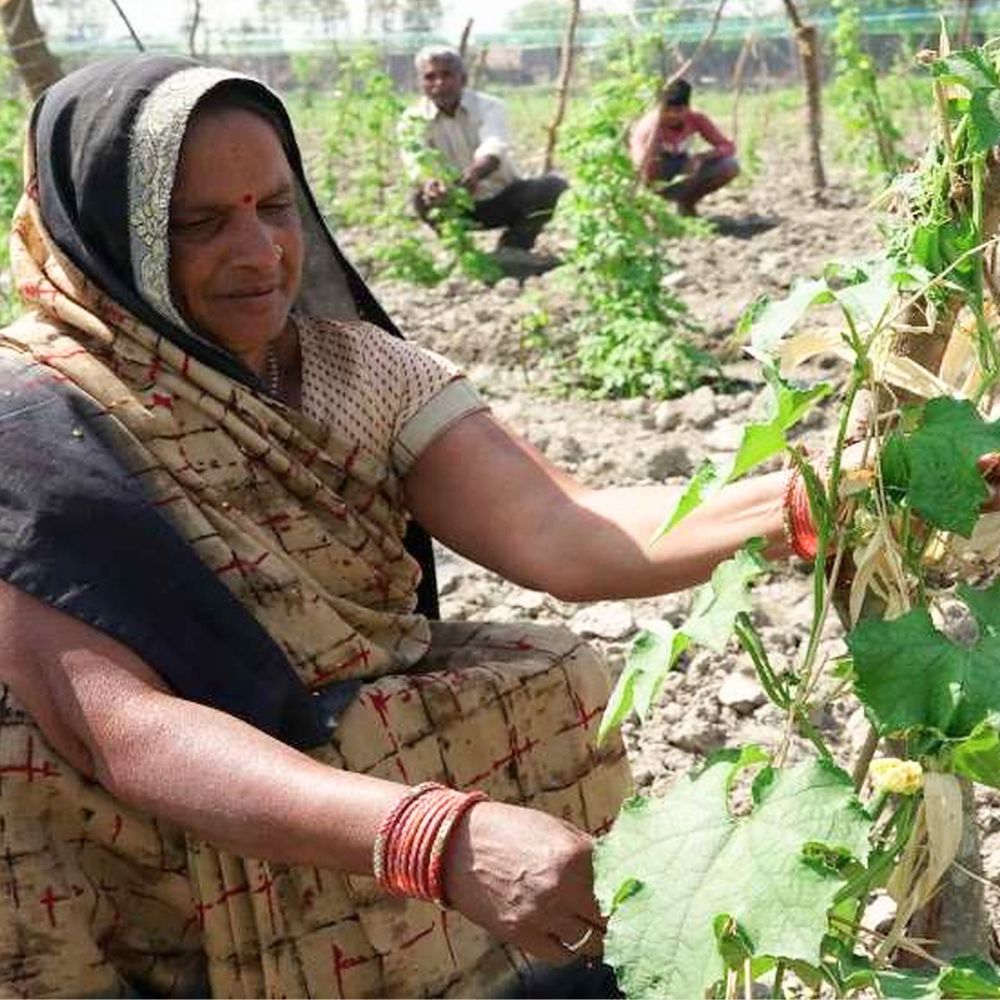
Kusum Devi knows both halves well. She farms 2 acres in Bhagdariya village, in the Mihipurwa block of Uttar Pradesh’s Bahraich district, growing wheat and paddy. For years she worked her land with traditional methods. The work was familiar but the results were limited. Her production stayed modest and so did her income. On a farm that small, every quintal lost in the field and every rupee lost at the point of sale made a real difference to her household.
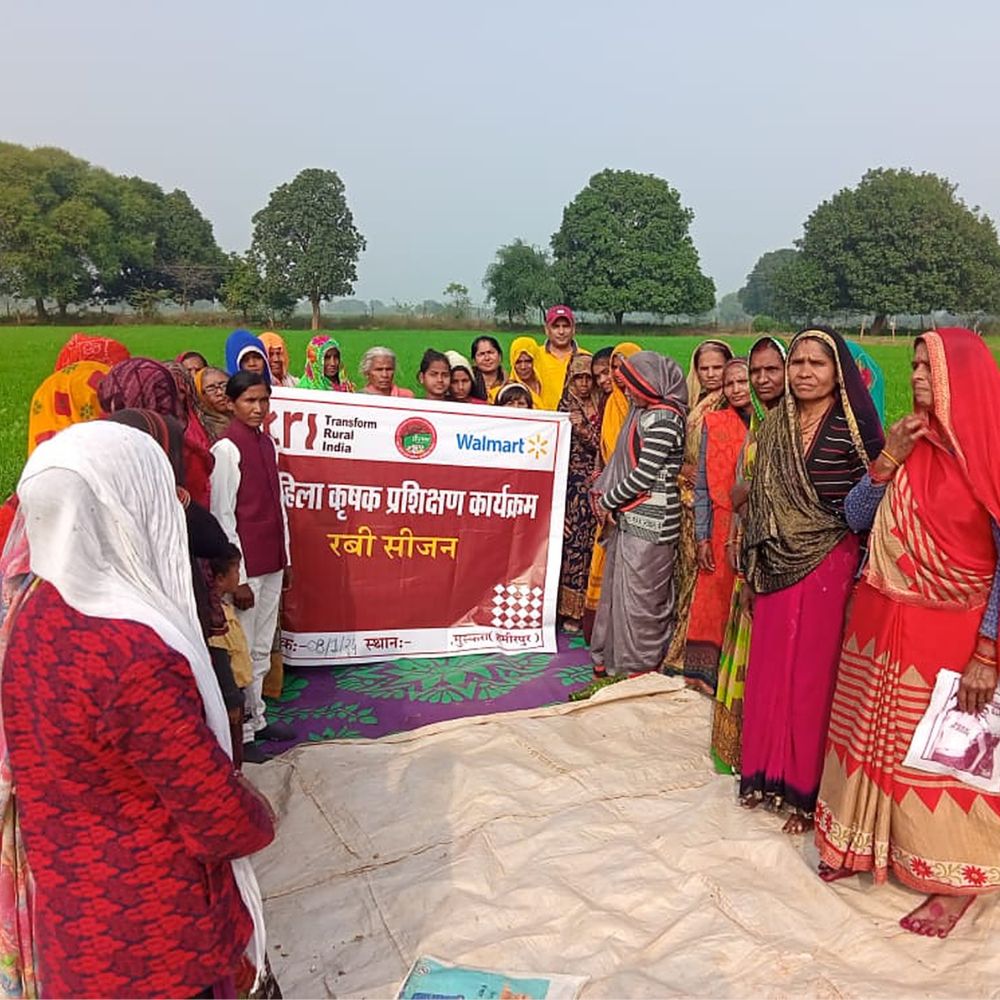
The change began when she joined the Veerangana Laxmibai Mahila Kisan Producer Organisation, a farmer producer organisation (FPO) of women farmers. Supported by Walmart Foundation and Transform Rural India (TRI), Kusum found the guidance she had been missing at every stage, from the seed she sowed to the place she sold.
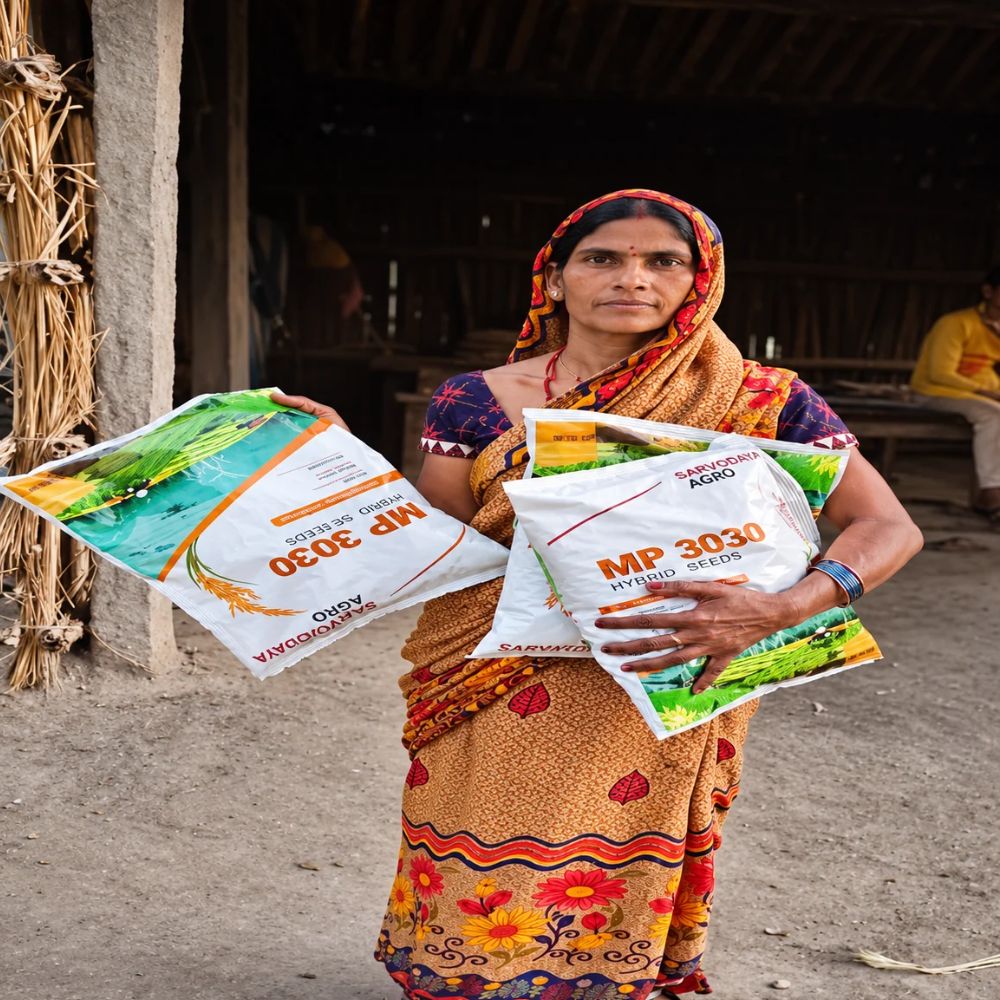
It started in the field. The FPO supplied her with high-quality wheat and paddy seed, along with fertiliser, so she no longer began each season with whatever was available locally. Just as important, its agricultural experts visited her fields regularly. They advised her on managing her crops through the season, controlling pests and getting the balance of nutrients right. Instead of relying on habit, she now had scientific guidance based on what was actually happening on her land.
The FPO’s support did not stop at harvest, which is where it made perhaps its biggest difference. Rather than leaving her to find a buyer, the FPO procured her produce right in the village through its Direct Digital Collection Centre (D3C). Kusum no longer had to depend on middlemen to set the price or arrange transport to a faraway market. She received a fair price for her crop, close to home, and saved both the time and the cost of carrying it elsewhere.
The results came through in her harvests. Her wheat yield rose from 18 quintals an acre to 20, and her paddy yield from 20 quintals an acre to 21. She also went a step further and produced high-quality seed of both wheat and paddy. With better yields, quality produce and fair prices at her doorstep, her annual income improved.
The change has been visible to those around her. Kusum has become a source of inspiration for other women farmers in her village, and her experience shows them what becomes possible when they join hands through an organisation of their own.
That is also where the model’s potential to grow lies. The FPO brings women farmers together so that each of them can access what few could secure alone: quality seed, expert guidance and a fair market in their own village. Every woman who joins strengthens the collective, and every success like Kusum’s makes it easier for the next farmer to take that step. As more women farmers come together in this way, the benefits reach beyond individual households and strengthen the economic foundation of the whole village.
For Kusum, this is only the beginning. Having seen what her land can do, she now wants to scale up her farming and build a better life for herself and her family.
“After joining the FPO, I received quality seeds, technical guidance and fair prices for my crops,” she says. “Now, I feel self-reliant.”