In many villages of Uttar Pradesh’s Lakhimpur Kheri district, farming earns just enough to keep a household running and rarely anything more. When a season goes badly there is nothing to fall back on, and men often leave for distant cities in search of work, sending money home while their families manage without them. For women who stay behind, the land they tend can feel like an obligation rather than an opportunity.
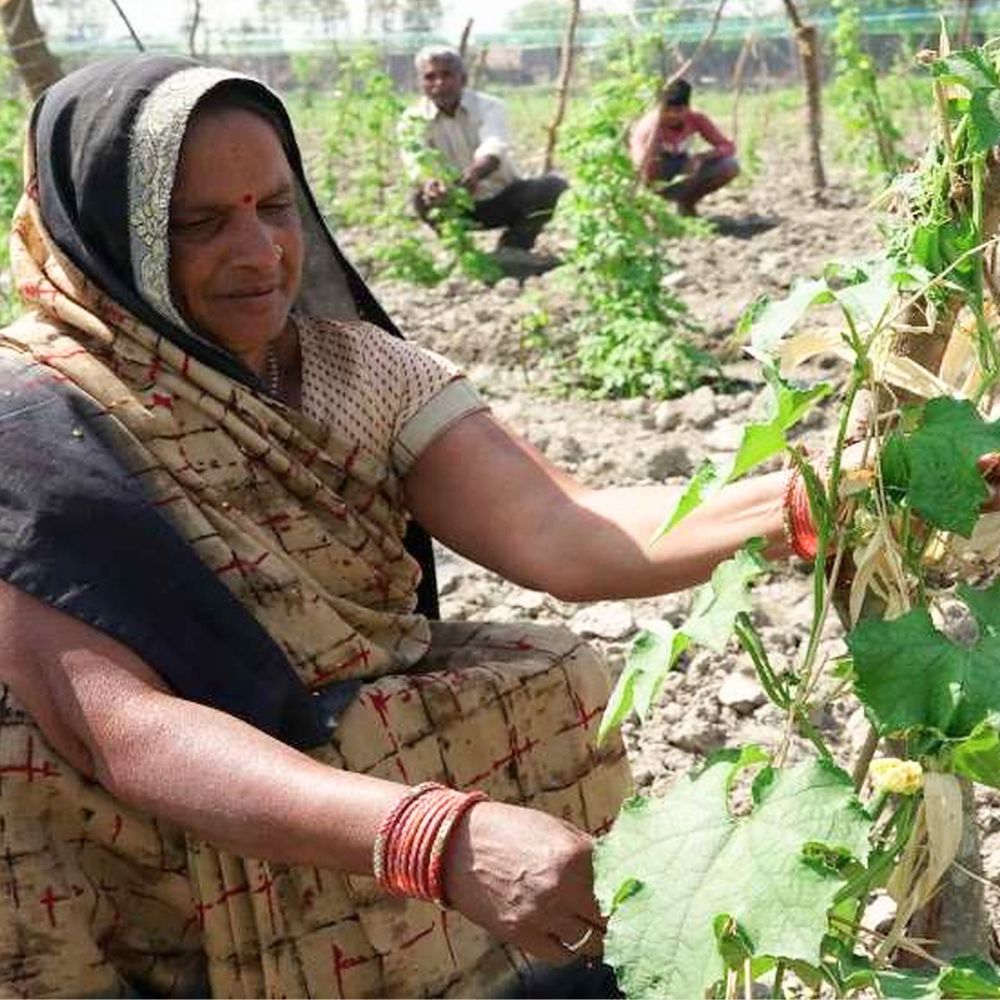
Asha Devi, who lives in Mudabuzurg village in Nighasan block, had farmed the traditional way for years. She raised seedlings directly in the field where they would later be transplanted, which meant long hours of work and plants that never grew evenly. Her harvests paid for the household and little else.
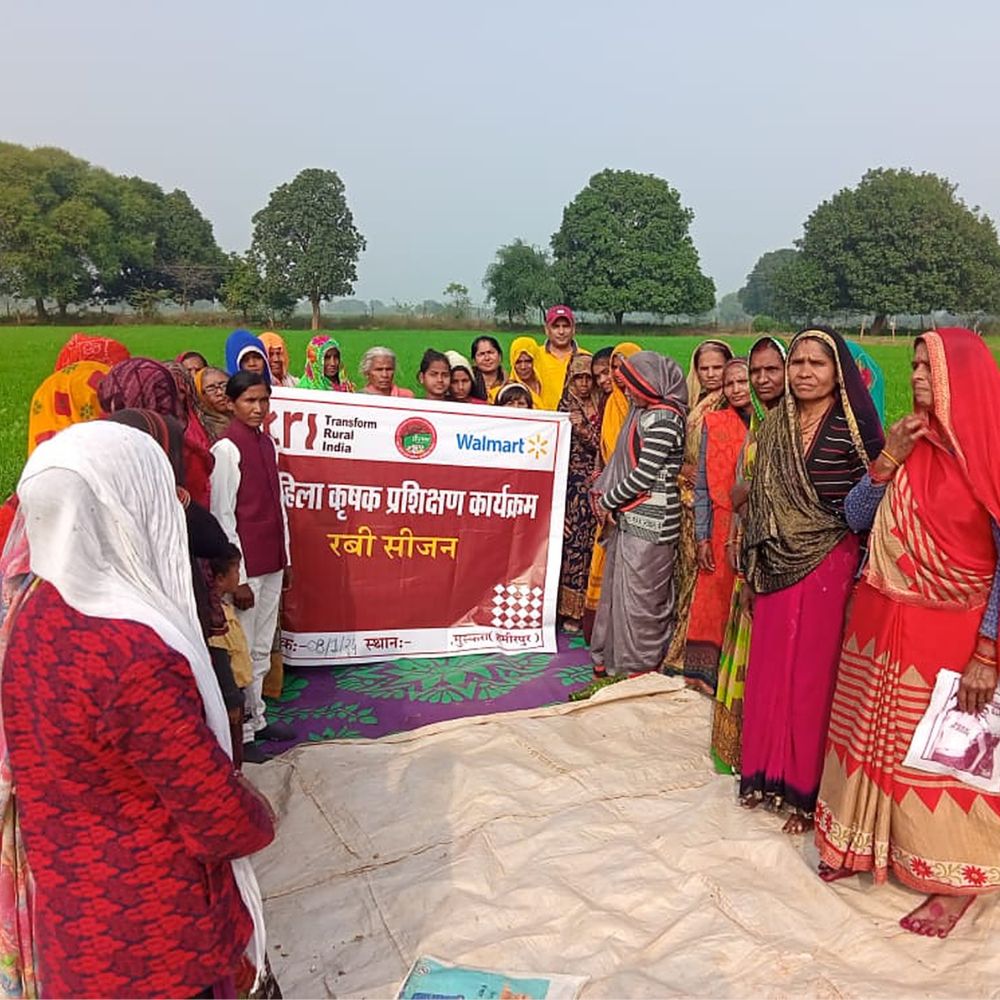
Things began to change when Saroj, who guided farmers in the village, started speaking at village meetings about technical farming and nursery management. Asha admits that she and the other women were sceptical at first, since they could not see what difference a new way of raising seedlings would make. Transform Rural India (TRI) supported the effort by training and building the capacity of farmers like her, keeping them informed about seeds, crops and new technology and linking them to markets.
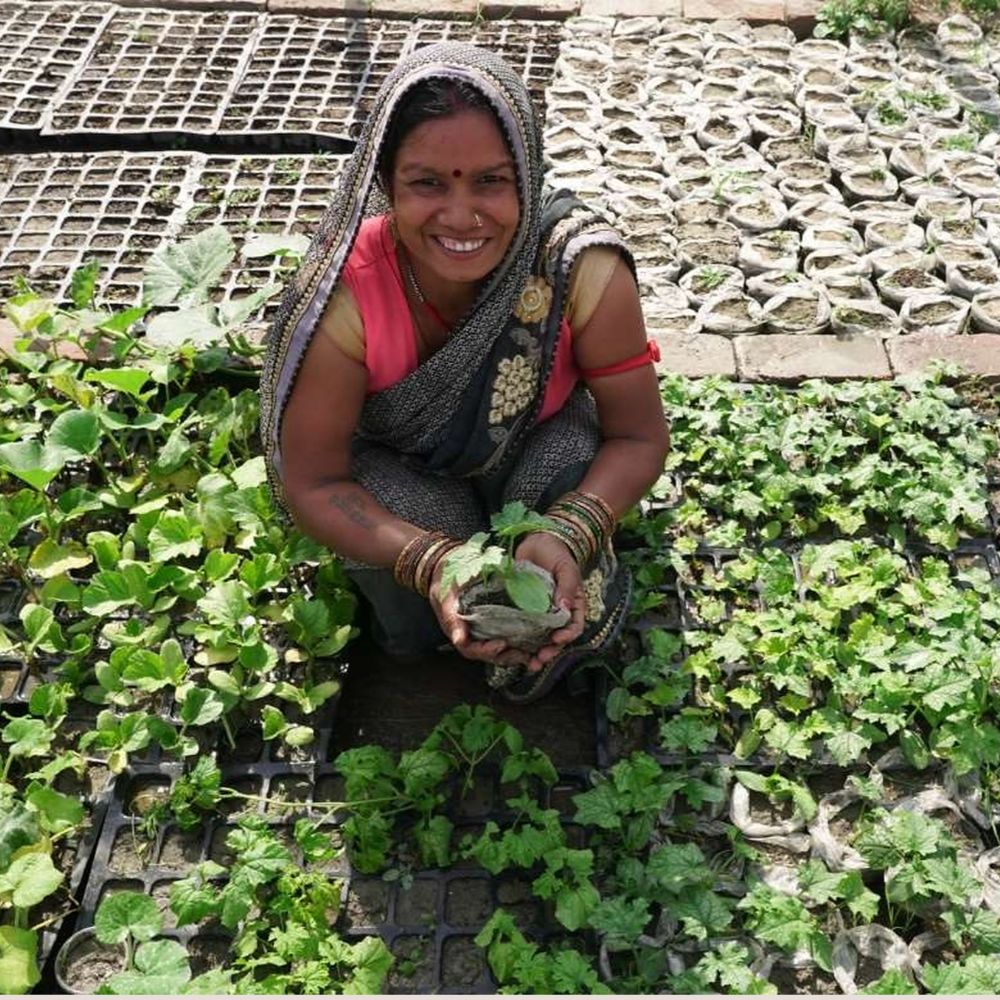
Asha decided to test the idea on one bigha of her own land, setting up a nursery exactly as Saroj had advised. The results surprised her. Her seedlings came up healthy and uniform, and because they were ready in the nursery, her field could be prepared for transplanting in far less time. For the first time she realised that raising seedlings properly is a crucial part of farming in its own right, and not a step to be rushed.
It did not take long for her neighbours to notice. Farmers who saw the strong, even plants coming out of her nursery began asking whether they could buy some, and Asha soon found herself supplying seedlings to other women and farmers in the village. What began as an experiment on her own land had become a business, bringing in extra income at a lower cost than her old way of farming ever had.
The change has been felt well beyond her own household. Many women from the village have visited the nursery to see how it works and are now planning to raise their own seedlings the same way. When income like this can be earned at home, families have more reason to stay together rather than send someone away to look for work in the city.
Asha’s nursery shows how a single well-chosen change, backed by the right knowledge and market links, can turn subsistence farming into an enterprise. As more women in Mudabuzurg take up the practice, the village could build a network of growers supplying quality seedlings to one another and to farmers nearby.
Her neighbours sum it up best. “Asha has shown us that even small changes in farming can bring big gains.”