In much of rural India, a woman can spend her whole life working on the land without ever being called a farmer. She sows, weeds and harvests alongside the men of her family, yet the decisions about what to grow and how to sell it are made by others, and in the eyes of her village she remains a labourer. When the man of the house can no longer work, she is left in charge of a farm she was never allowed to run.
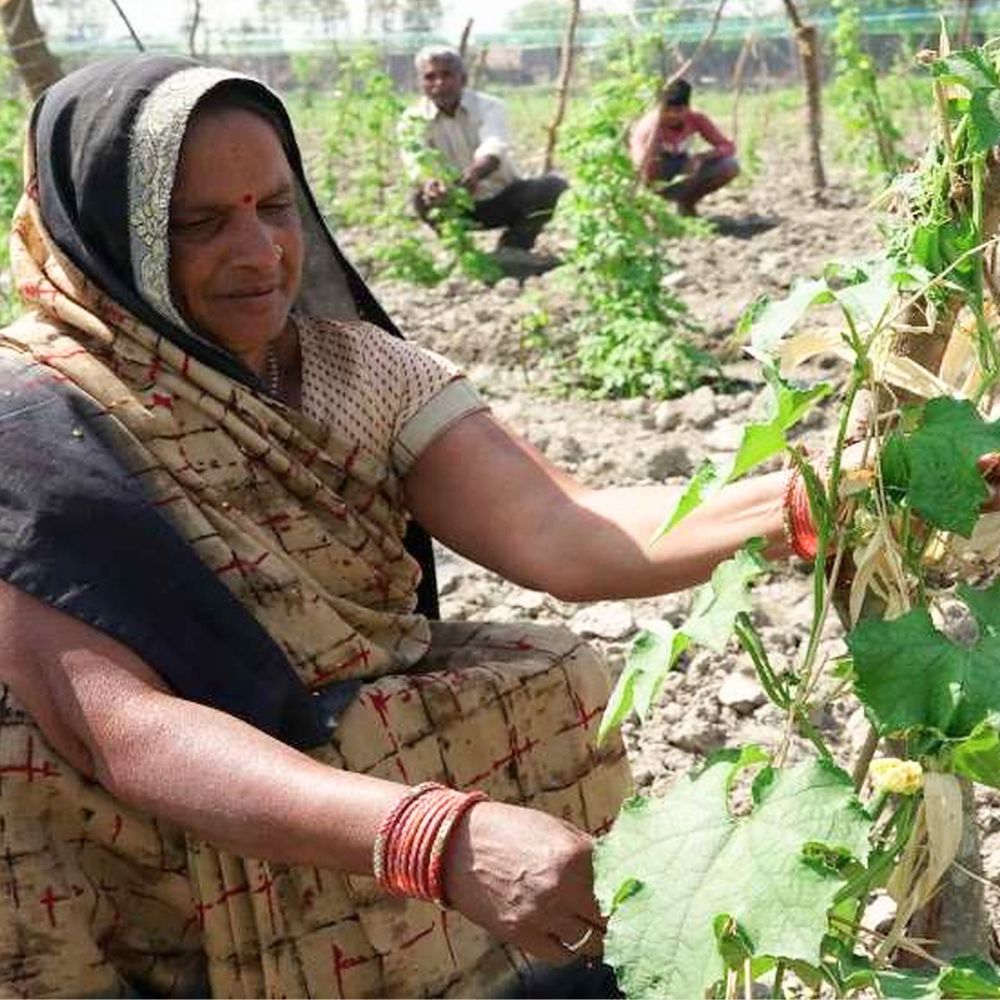
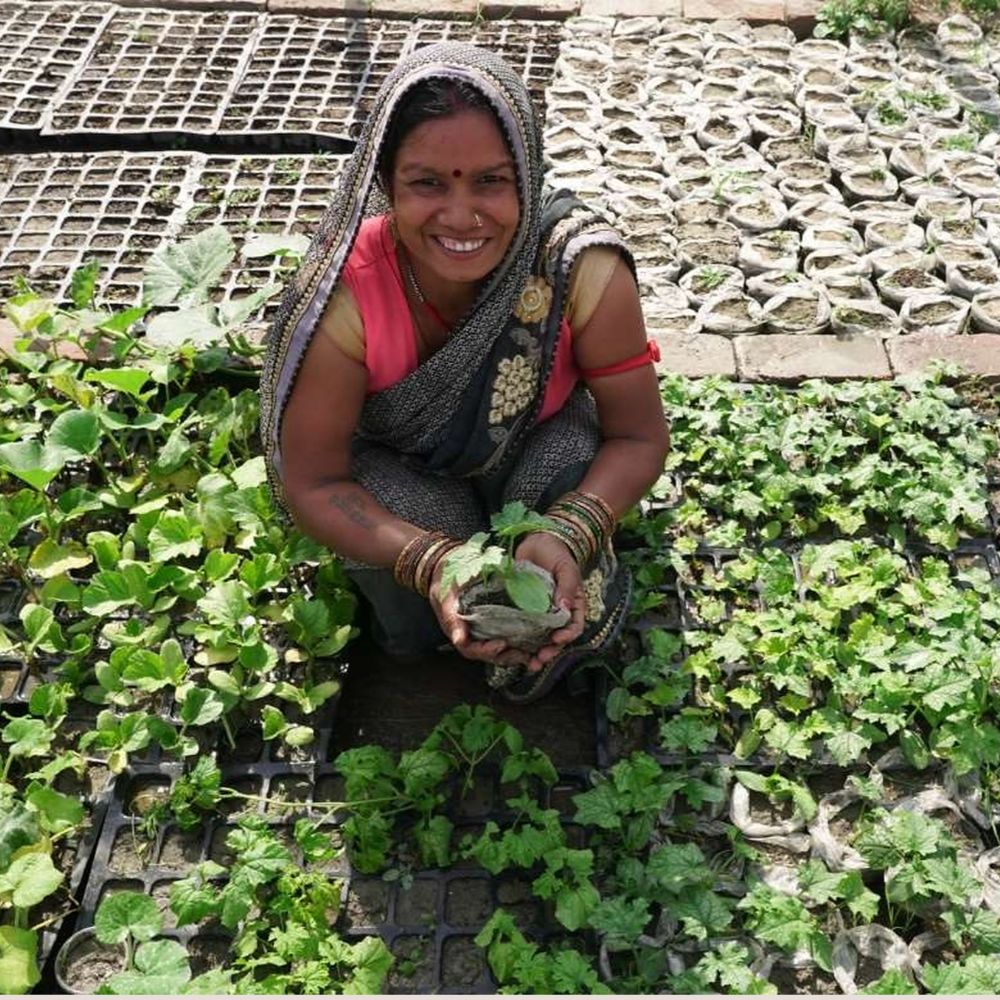
Gyanvati Devi of Mohabbatiya Behad village, in the Nighasan block of Uttar Pradesh’s Lakhimpur Kheri district, lived that reality for years. On a recent morning she could be found bent over the young vines in her field, steadying each one with the care of a mother holding a child, but there was a time when farming was something she did only out of necessity. Her husband worked the fields while she managed the house, and like the other women in the village, she had no say in farming decisions. A woman who went out to the fields was called a mazdoor, a labourer, never a kisan.
That arrangement collapsed when her husband suddenly fell ill and the household’s income stopped. Gyanvati was left facing a question with no easy answer: how would the family survive? The women around her offered little encouragement, insisting that work outside the home was beyond them. She refused to accept that. Determined not to give up, she took charge of her family’s small plot of land herself.
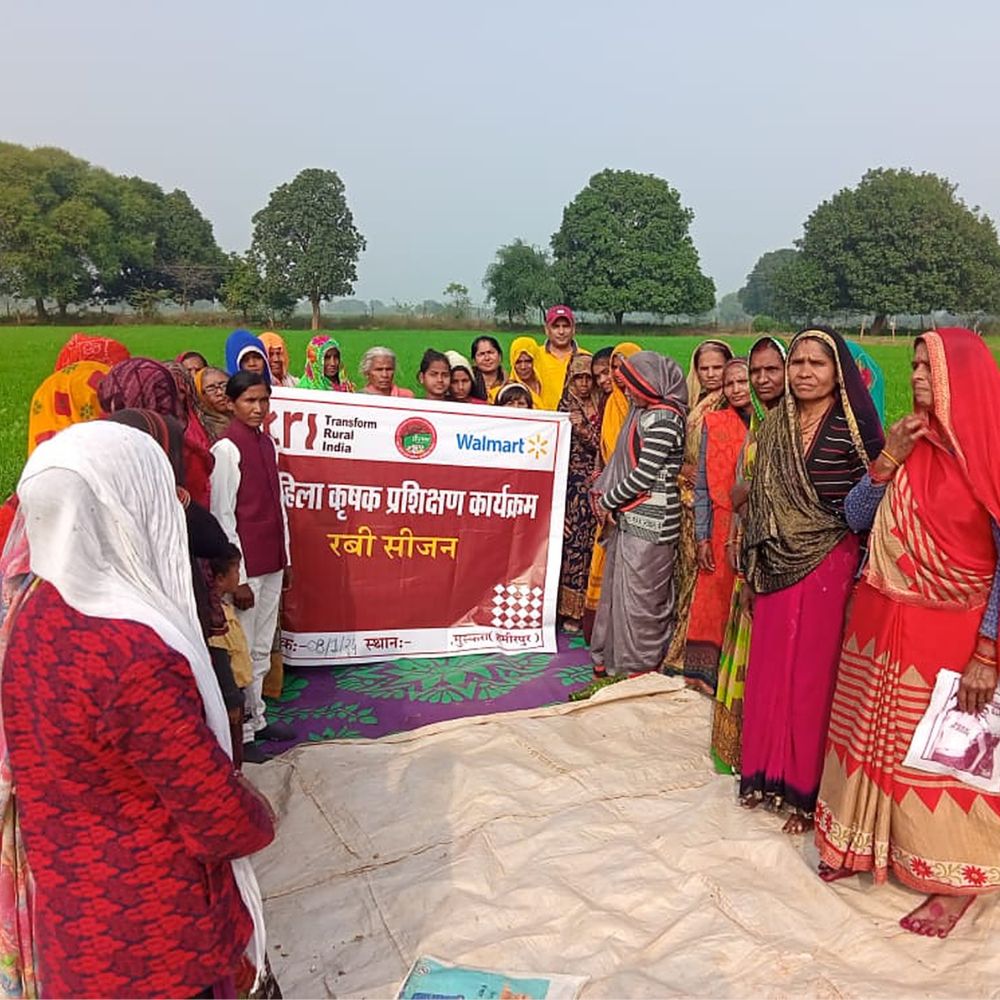
She did not have to learn alone. Transform Rural India (TRI) supported her through training and capacity building, keeping her informed about seeds, crops and new technology and helping her connect to markets. With that knowledge behind her, she began to farm with confidence and to make her own decisions about her land.
Her neighbours soon began to see her differently. The same people who once asked what a woman could possibly do in a field started coming to her for advice. Gyanvati came to believe that a field is not just soil but a school of life, and she shared that lesson freely, telling other women that with the right care and hard work, even a small piece of land can hold big hopes.
Slowly, other women in Mohabbatiya Behad began to join her. Each woman who steps into a field as a decision-maker rather than a helper makes it a little easier for the next one to follow, and chips away at the old belief that farming is a man’s work.
Gyanvati’s story shows that the most important change is sometimes not in the crop but in who is allowed to call herself a farmer. Once a woman has the knowledge and the confidence to run her own land, she can carry her family through a crisis and open the way for others to do the same.
Today, Gyanvati is no longer a labourer on her family’s land. She is the farmer, and her village knows it.