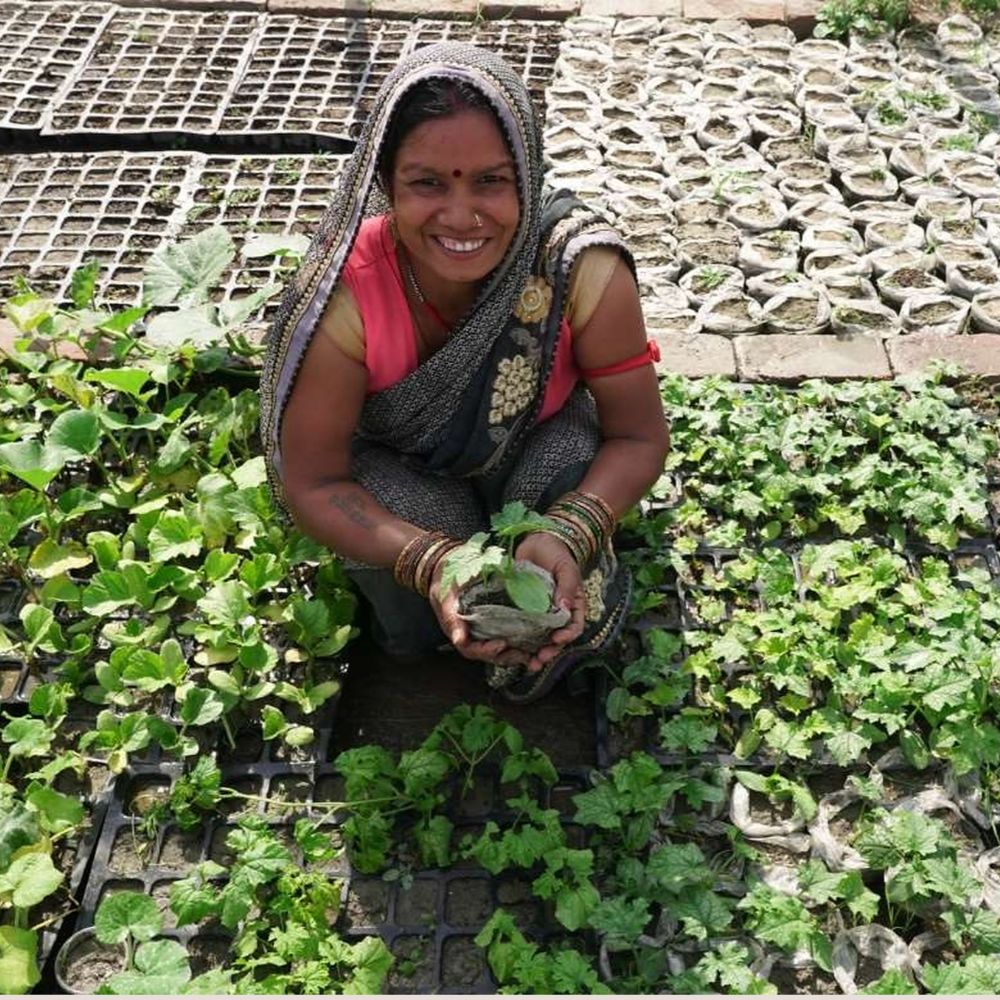
Small farmers in Bundelkhand face the market alone at almost every step. They buy seed from whoever is selling, often without knowing its quality, and decide how much fertiliser to use by guesswork. At harvest they have nowhere to store their crop and no way of knowing what it is truly worth, so they sell to a middleman at whatever price is offered. Each of these disadvantages is small on its own, but together they mean that costs stay high and profits stay low however hard they work.
That was the situation for farmers in the Muskara block of Uttar Pradesh’s Hamirpur district, where most families depend on agriculture and grow paddy, groundnut, wheat and gram using traditional methods. They struggled with a shortage of quality seed, little technical guidance or training, no information on fair market prices, dependence on middlemen and almost no facilities for storage or value addition.
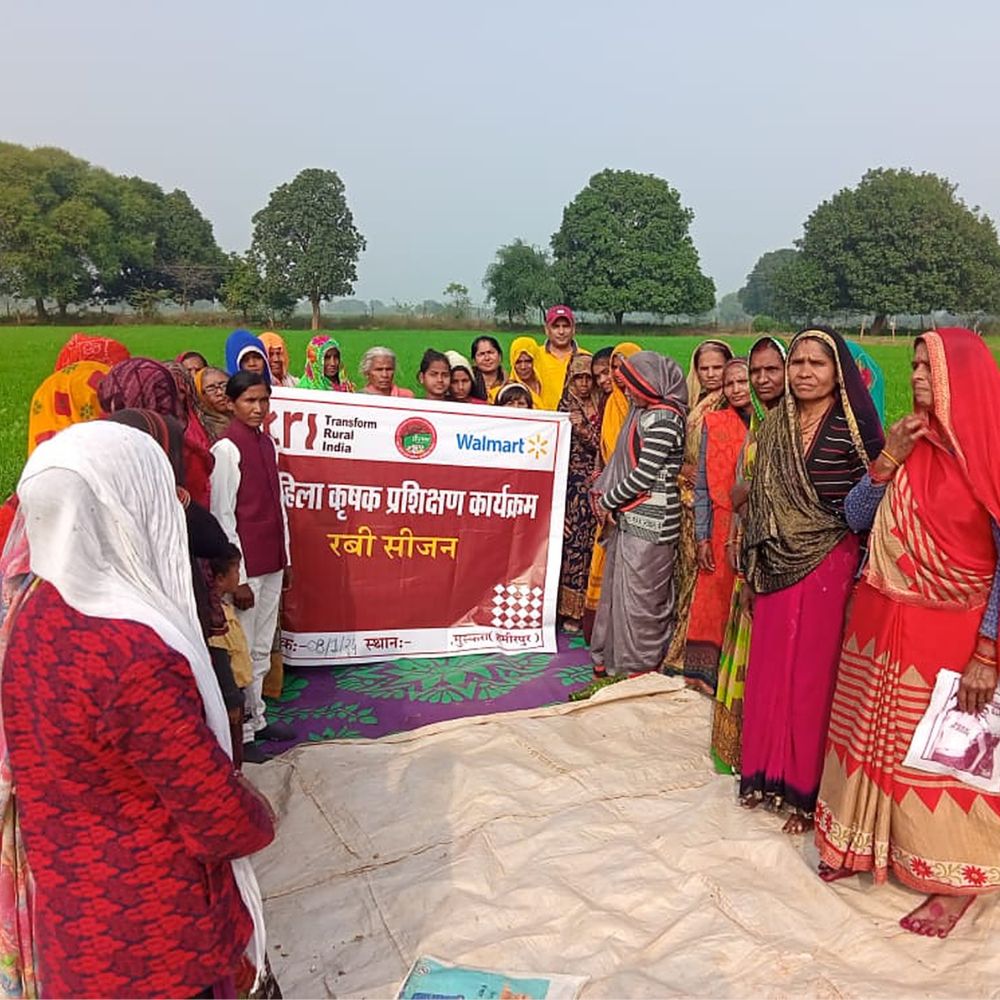
The National Rural Livelihood Mission (NRLM) and Prateeja Farmer Producer Organisation (FPO) set out to turn that problem into an opportunity through the Beej to Bazaar initiative, supported by Transform Rural India (TRI). The first step was to organise. Women and men farmers formed groups at the village level, and the FPO brought them together on a common platform where they could plan and take decisions collectively. TRI supported this work through training and capacity building, sharing information on seeds, crops and new technology and helping to build market linkages.
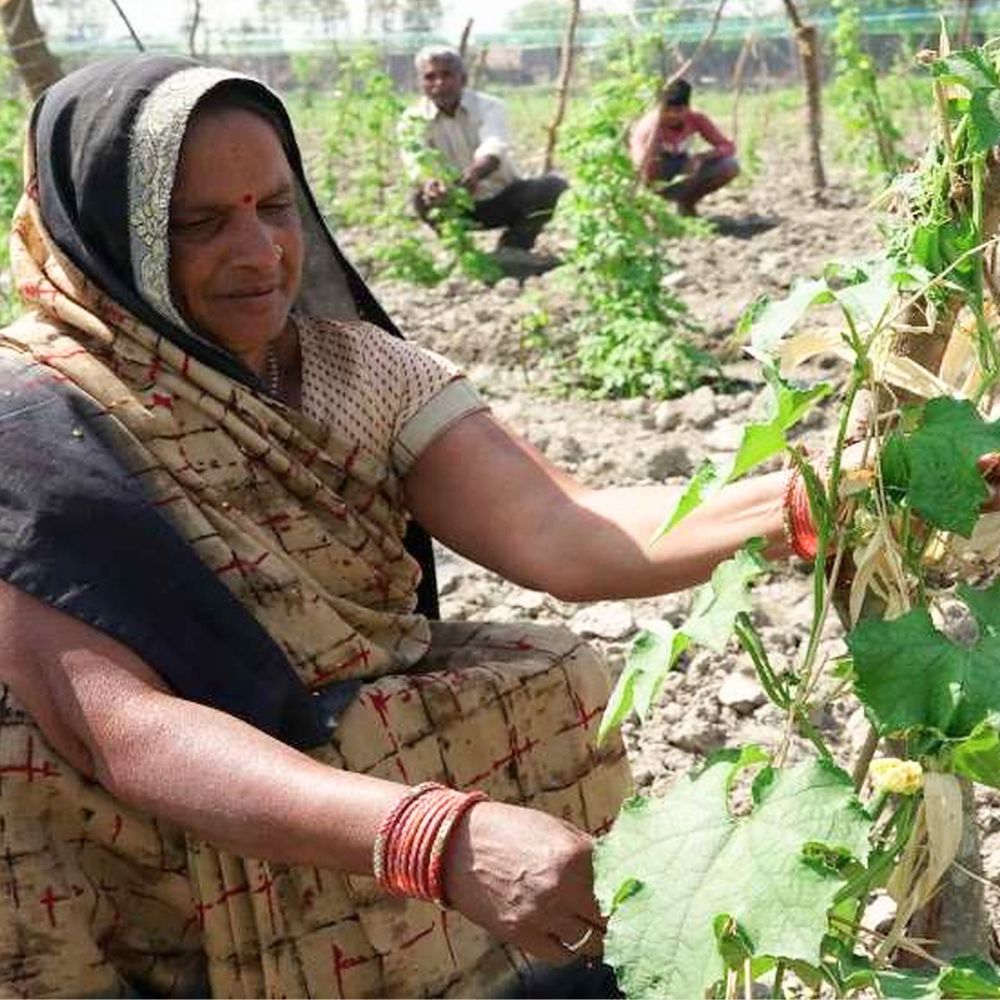
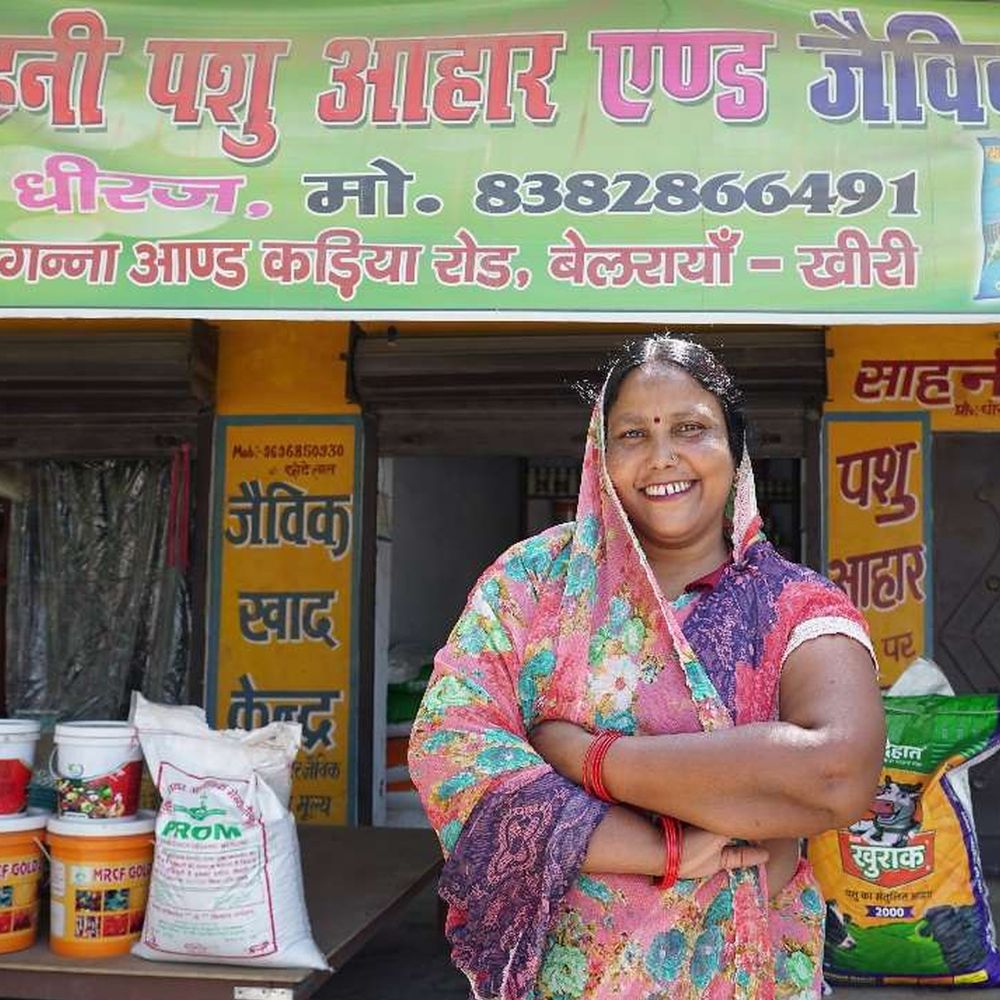
Training gave farmers the knowledge they had been missing, covering seed selection and soil testing, organic farming, the right use of fertilisers and pesticides and crop diversification. Instead of buying alone, members now purchase certified seed, fertiliser and farm machinery together, which lowers costs and improves germination. Demonstration plots showed them new techniques for preparing land, while better pest control, irrigation, crop insurance and the use of biofertilisers reduced the risks they carried through each season.
The biggest shift came after the harvest. The FPO now buys crops directly from its members at a fair rate, and its Direct Digital Collection Centre (D3C) grades and packages the produce to market standards. Agreements with local mandis and processing units, along with sales on digital platforms and at farmers’ fairs, give members a choice of buyers, and a transparent pricing system ensures they receive a fair market price.
The results have been significant. Average incomes have risen by about 25 to 30 per cent, while seed costs have fallen by around 20 to 25 per cent. Farmers who once relied on middlemen now sell directly to the market, the FPO has grown to more than 1,000 active members and over 200 training sessions have been held.
Prateeja’s experience shows that when farmers act together, costs come down and profits go up, and that an FPO can give its members the technical, financial and market support that none of them could secure alone. The next step is to strengthen links with digital market platforms alongside local markets, so that more farmers in Muskara and beyond can reach buyers on their own terms.