In Hardwahi village in Uttar Pradesh, many women had learnt to dread the end of the day. After long hours in the fields and at home, they waited for their husbands to come back drunk. Abuse and beatings often followed, while children hid in corners and the women swallowed their tears.
Few spoke about it. “What happens at home stays at home” was the rule, and the women endured it for years. Meanwhile, country liquor was made and sold openly from homes in the village, without a licence and with no one to stop it.
When change came, it came from the women of the village’s self-help groups (SHGs), the didis.
A Meeting That Became a Turning Point
It started at a gender orientation for the Adarsh Cluster Level Federation (CLF), where alcohol addiction in Hardwahi came up again and again. The CLF decided to act.
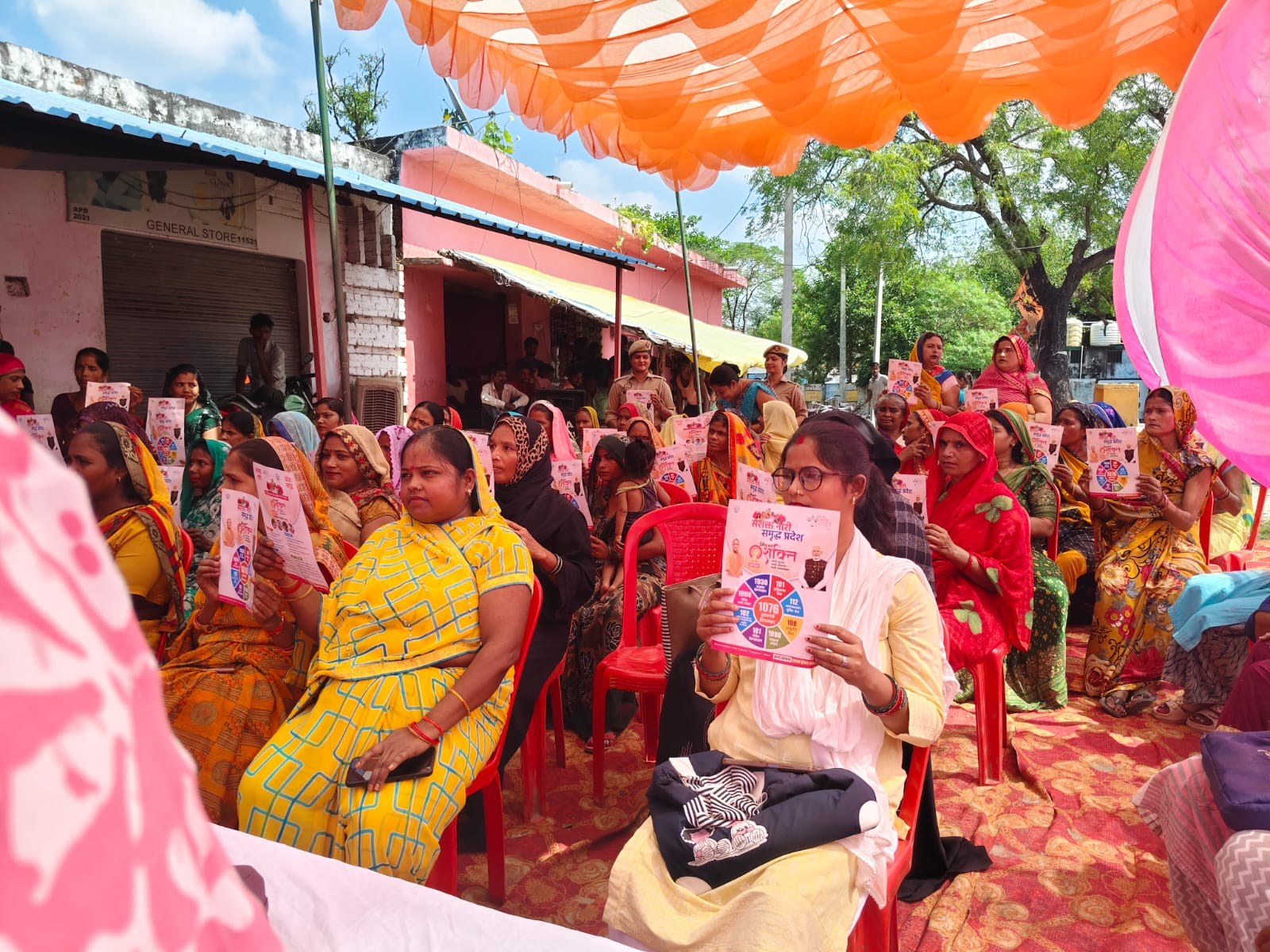
On 30 September 2026, the didis held a nasha mukti abhiyan, or de-addiction campaign, meeting in the village. All five CLF office bearers, the CLF committee and manager, SHG members and the Transform Rural India (TRI) team attended, 96 members in all.
One by one, women spoke about their husbands’ drinking and the daily fights that followed. For the first time, they felt heard and knew they were not alone.
Then, midway through the meeting, one didi’s husband walked in drunk and began hurling abuse. The didis tried to reason with him. When he would not stop, they confronted him together and called the police helpline, 100, on the spot.
Officers from Singahi police station recorded the women’s complaints and firmly warned the men who had been violent. The women were also given the helpline numbers available under the state’s Mission Shakti programme, so they could seek help without hesitation in any crisis.
From the Meeting to the Street
The didis did not stop there. They marched through the village raising slogans against liquor and went to every house selling it, asking the families to stop.
Then they kept watch. One evening, when a fresh stock of liquor reached the village, the didis surrounded the house, filmed the stock and called the police, who arrived and seized it.
Around the same time, SHG members Rekha, Suketa, Anita and Avjeet heard that a man in the village was beating his wife. They rushed to the house, rescued her and warned her husband that this would not be tolerated again.
Where TRI Comes In
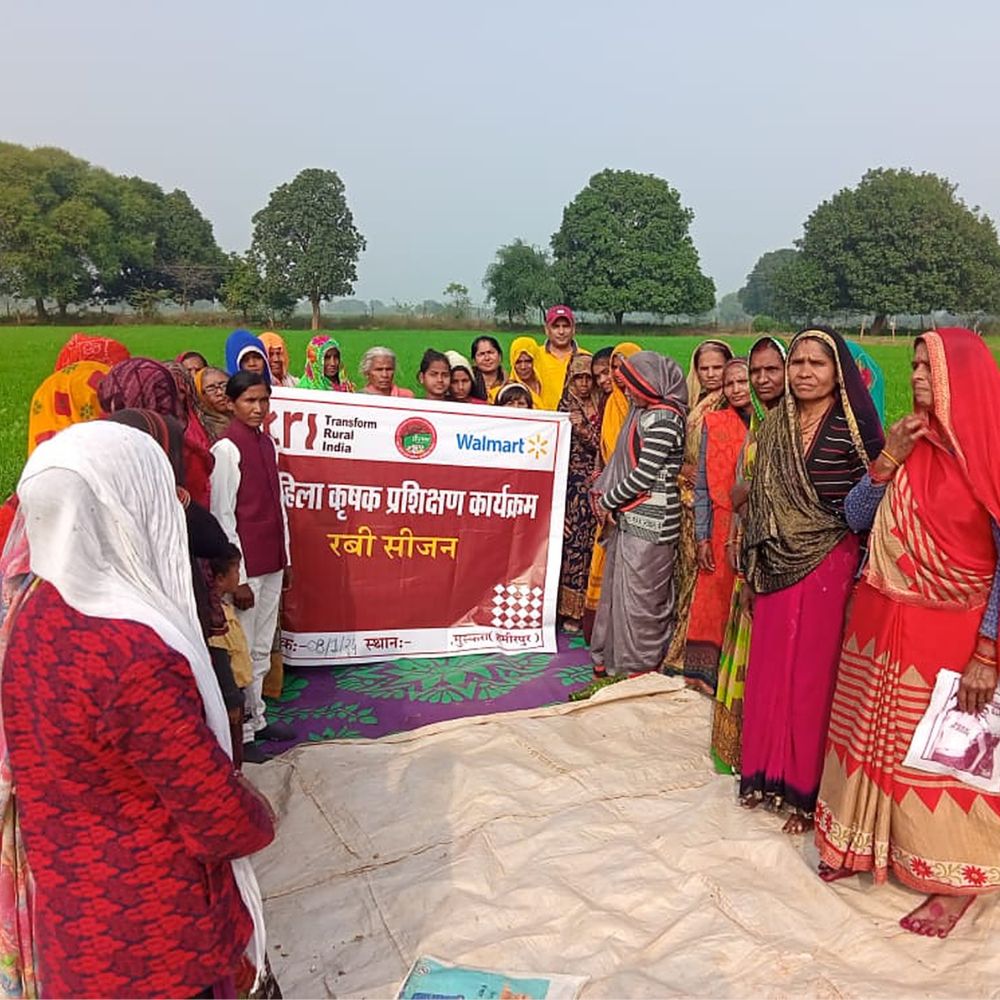
TRI has worked alongside the Adarsh CLF to build the capacity of its leaders and strengthen members’ trust in the CLF as an institution of their own. It has helped the CLF identify and take up its own thematic agendas and held gender orientation for its executive committee members. It was this orientation that brought alcohol into the open and gave the CLF the confidence to act.
A Changed Village
Today Hardwahi feels different. The open sale of country liquor has been curbed. Women know whom to call, and on which number, when they are in trouble. Trust has grown between the police and the didis, and domestic violence is now discussed openly in the village.
The women who once lived in fear inside their own homes have become a shield for the whole village. For the didis of Hardwahi, the SHG is no longer only about savings and livelihoods. It has become their voice for dignity and safety.