In many villages, cow dung, kitchen scraps and other biodegradable waste have nowhere useful to go. They pile up at the edge of the settlement while farmers spend on chemical fertilisers that wear down their soil a little more each season. The waste is treated as a problem to get rid of. The soil’s needs are met from a shop. Rarely does anyone connect the two.
In Bharatpur Gram Panchayat, in the Tappal block of Aligarh district, a group of women farmers has done exactly that.
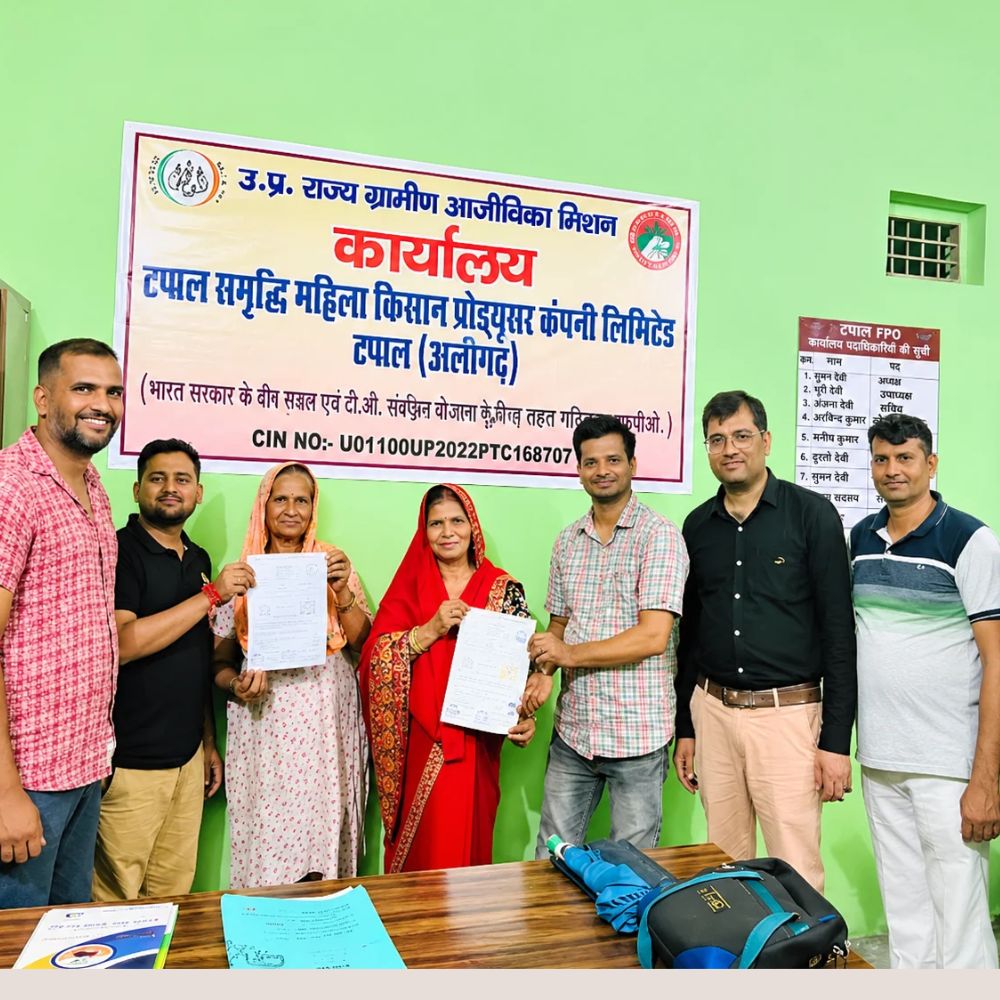
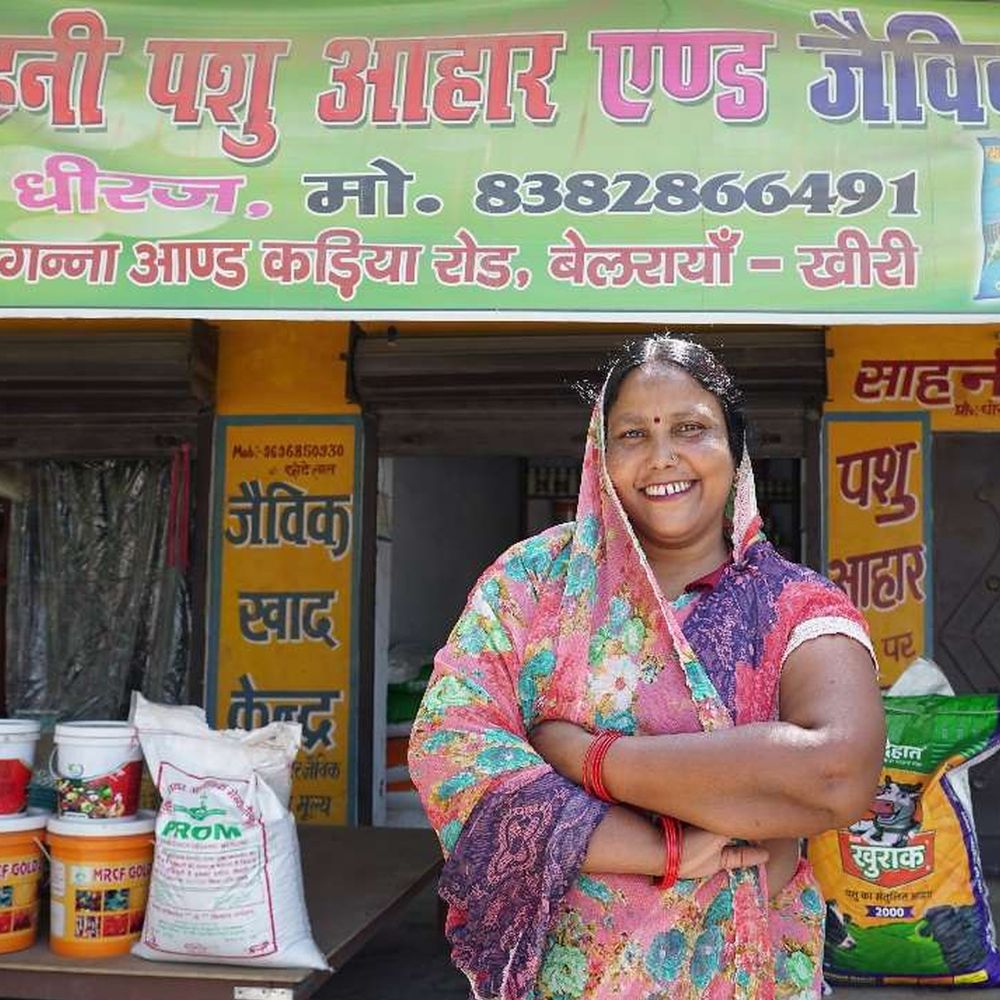
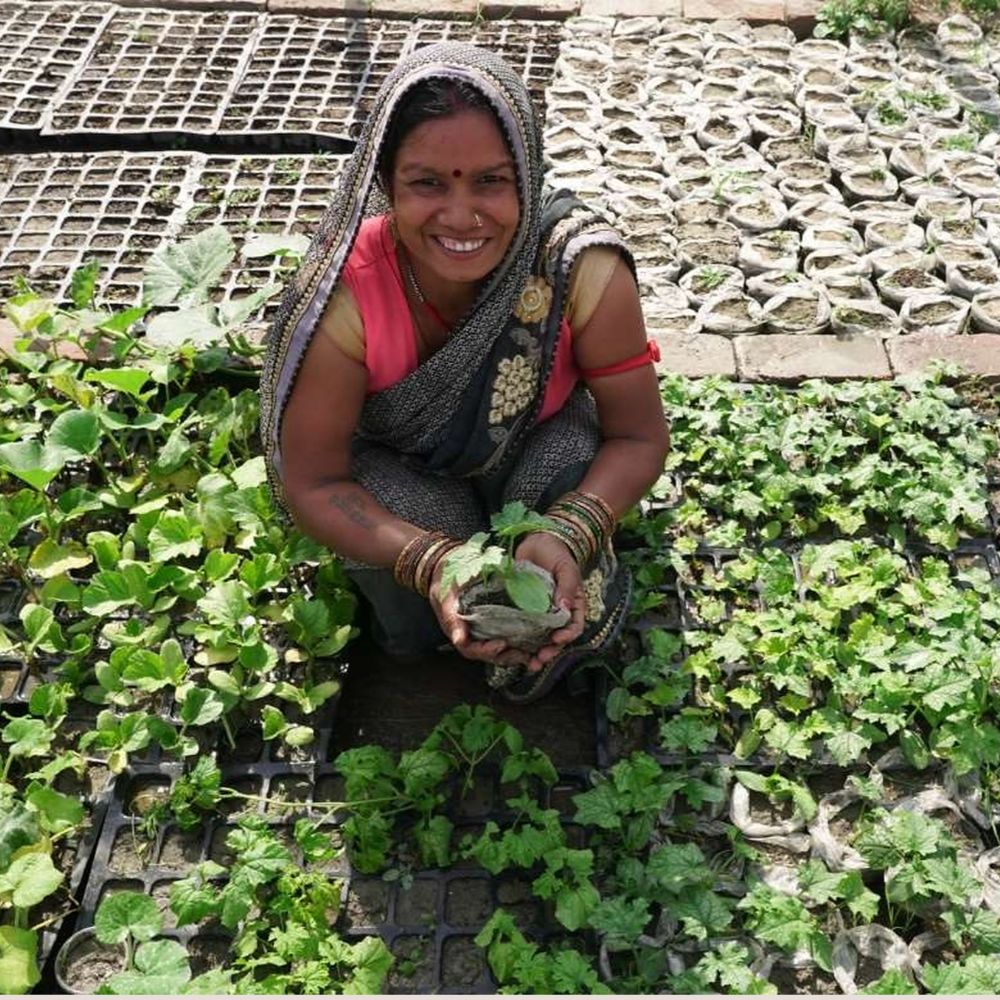
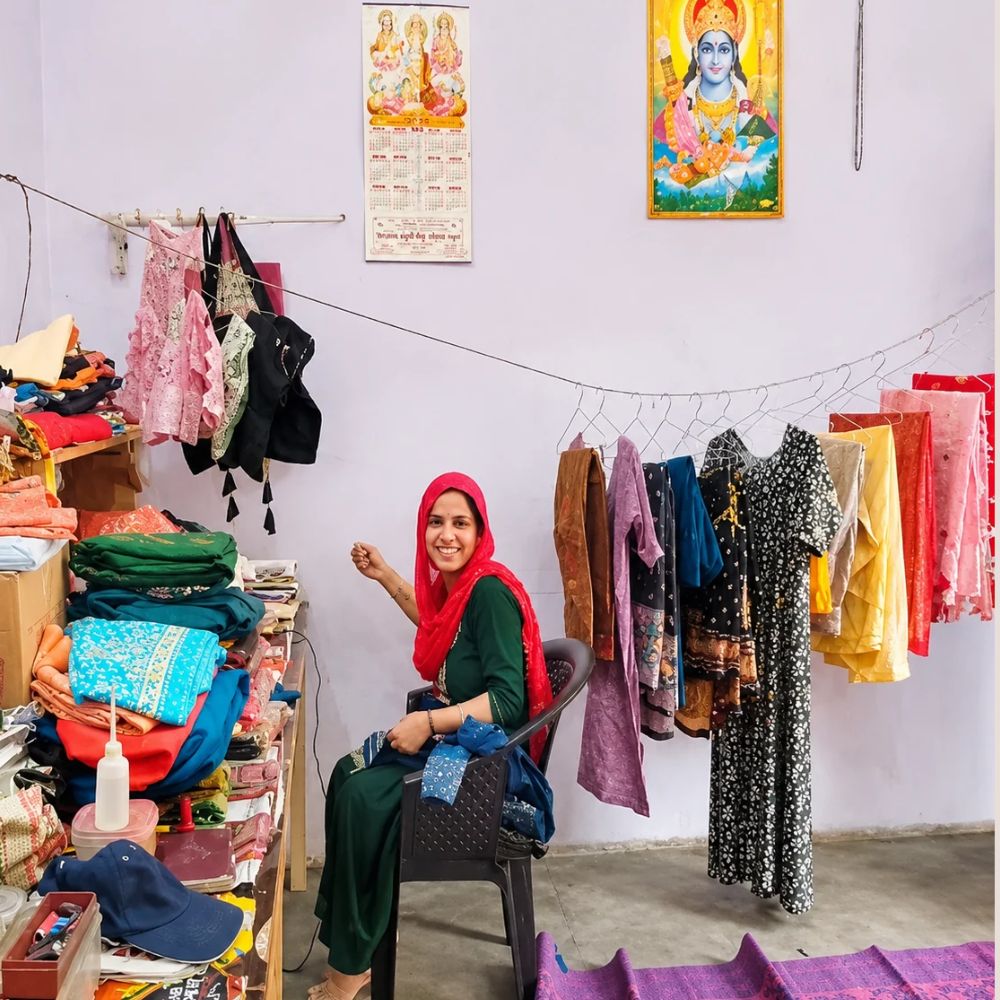
They are shareholders of Tappal Samriddhi Mahila Kisan Producer Company Limited, a women-led farmer producer organisation (FPO) registered on 26 August 2022 under the Ministry of Agriculture and Farmers Welfare’s scheme to form and promote 10,000 FPOs. The FPO works under the guidance of the Uttar Pradesh State Rural Livelihood Mission (UPSRLM) as its community-based organisation and the Foundation for Development of Rural Value Chains (FDRVC) as its implementing agency. From those beginnings it has grown into a network of 1,000 women shareholders, and in August 2024 it was identified as a “lighthouse FPO”, meant to inspire and guide other women-led FPOs.
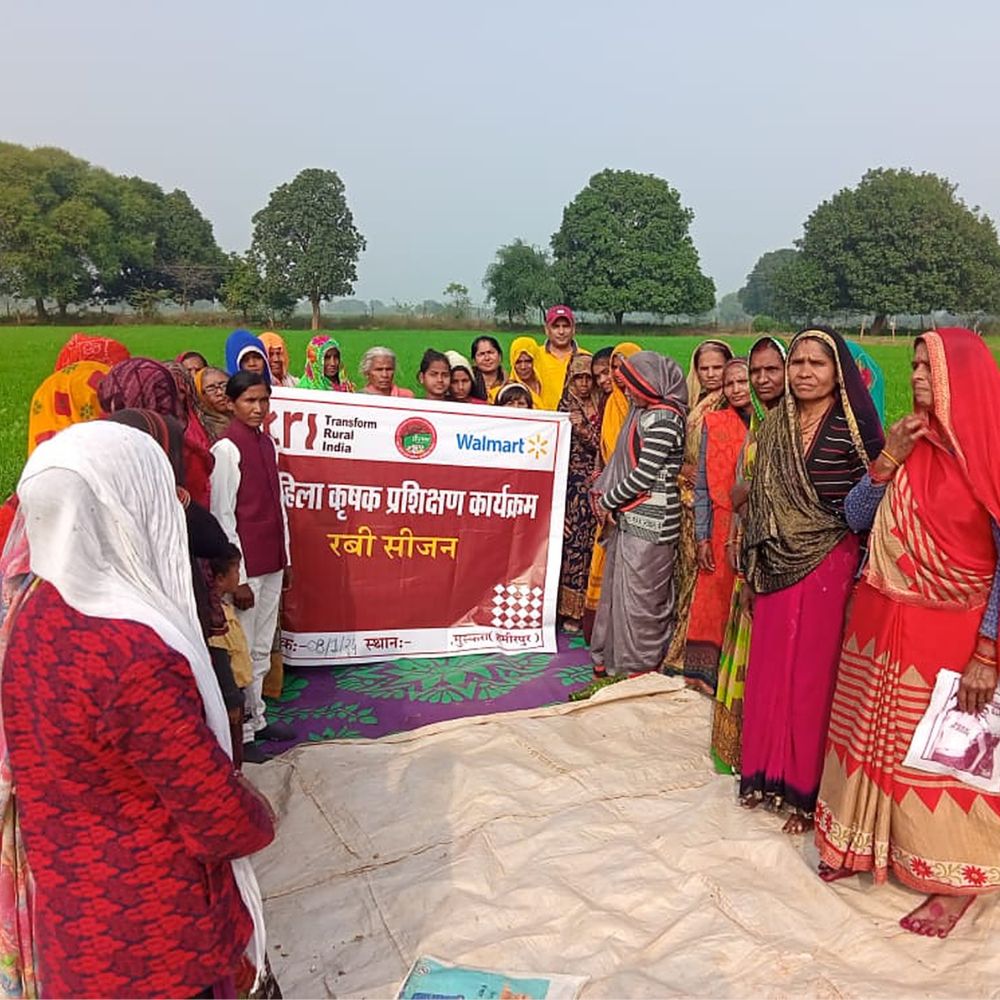
At the heart of its approach is the Samaaj, Sarkaar, Bazaar model, which brings together society, government and the market so that each does what it does best. Transform Rural India (TRI), with Walmart Foundation as one of its partners, has played a key role in strengthening this model and making it work on the ground, while advocating for policies that support farmer-led initiatives and give small farmers and women entrepreneurs the resources they need. The FPO’s biofertiliser unit is where all three come together.
Samaaj, the community, provides the ownership and the labour. The unit is collectively owned by the FPO’s women shareholders, and women lead its operations, governance and financial management. It is their enterprise in every sense.
Sarkaar, the government, provides the foundation. The Gram Panchayat, under Gram Pradhan Neelam Devi, has leased land for the unit for 15 years at ₹50,000 a year. The unit has also been merged with a Panchayat-supported waste management initiative, so the village’s biodegradable waste now has somewhere productive to go. Government schemes add policy backing and financial support.
Bazaar, the market, brings the technology and the customers. LCB Fertilizers, a company incubated at the Indian Institute of Technology (IIT) Kanpur, provides technical expertise along with super-absorbent polymer technology. This technology helps soil retain moisture, raising crop yields while cutting the need for irrigation. Partnerships like this also help the unit’s products reach a wider market.
The process itself is simple. Cow dung, biodegradable waste from the village and kitchen waste go in. Organic fertiliser comes out.
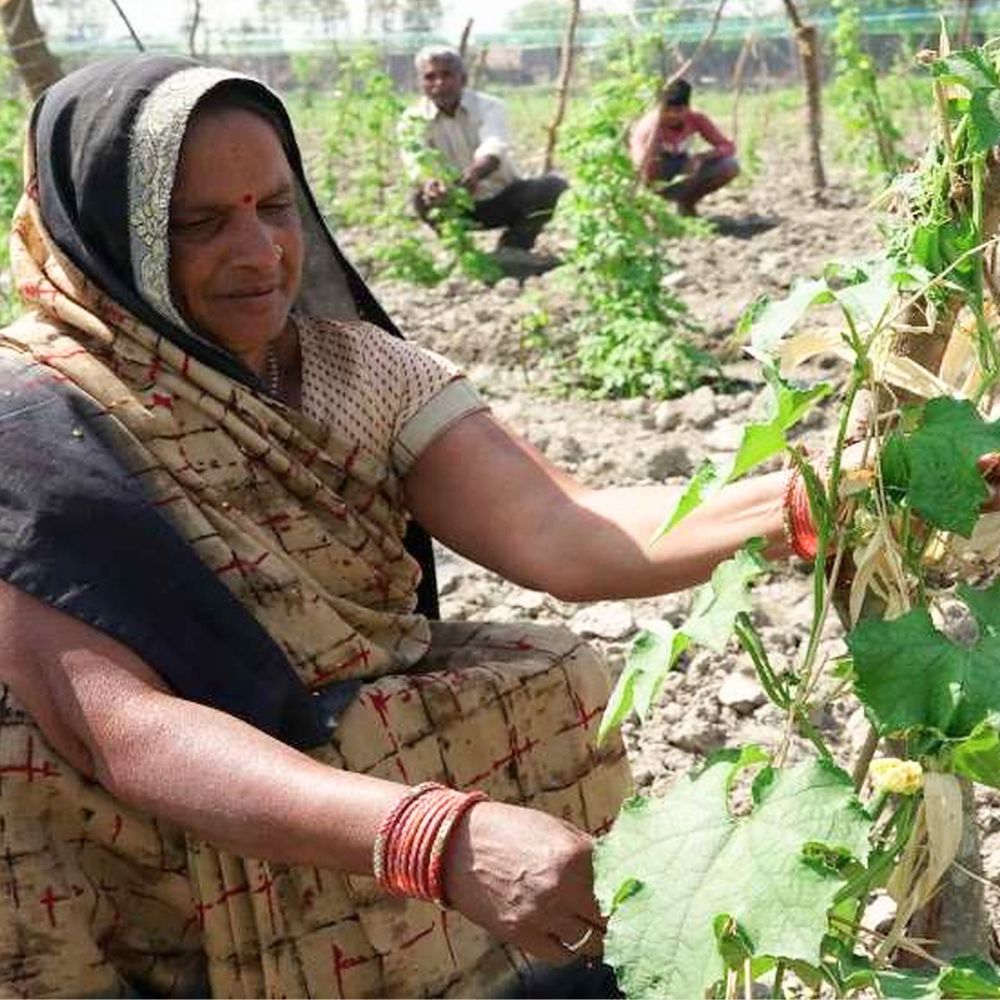
The benefits are spread across everyone involved. The women who own the unit gain a source of income and a role in running a business. Farmers who use the fertiliser see healthier soil and better yields, and depend less on chemical inputs. The Gram Panchayat earns ₹50,000 a year in own-source revenue from the lease, money it can put into local development. The village gets a working answer to its waste problem, and the unit creates local employment.
Because each part of the model is anchored in institutions that exist across rural India, it is built to travel. Government has a key role in replicating it in other Gram Panchayats, and the arrangement in Bharatpur sets a precedent for villages to lease land to community enterprises and earn from it. As a lighthouse FPO, Tappal Samriddhi is also expected to show other women-led FPOs how to adopt similar community-driven practices.
The next steps build on that foundation. The FPO plans to expand production at the Bharatpur unit, take the model to other Gram Panchayats and bring more women into the enterprise as it grows. Each new unit would turn another village’s waste into fertiliser for its farmers and open up income for more women.
What was once waste in Bharatpur now feeds a women-run enterprise that nourishes the soil, earns for the Panchayat and offers a model other villages can follow.