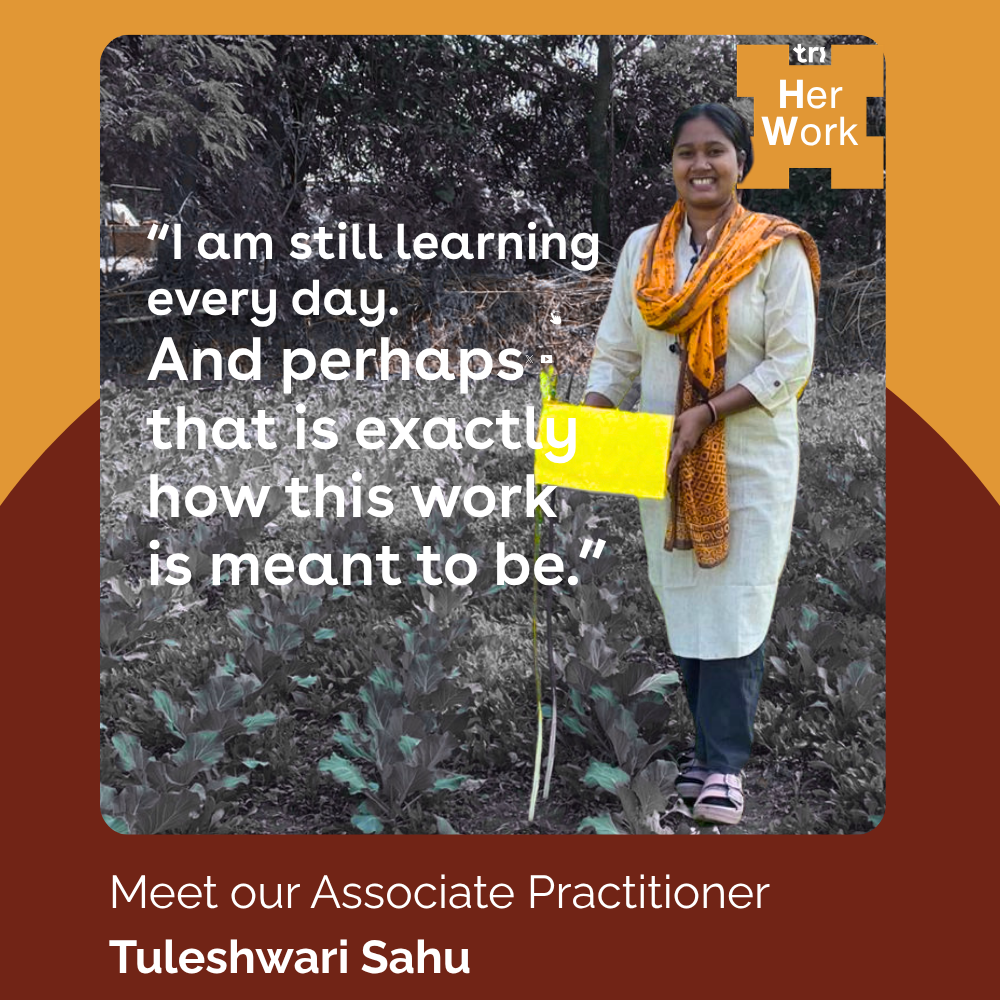
Hi, I am Tuleshwari.
I grew up in Raipur, Chhattisgarh, in a household that was not rich in resources but never short on warmth. From a young age, I felt a pull toward people, toward their struggles and their quiet determination.
From an early age, I found myself drawn to people, their struggles, their aspirations and the quiet determination with which they navigated everyday life.
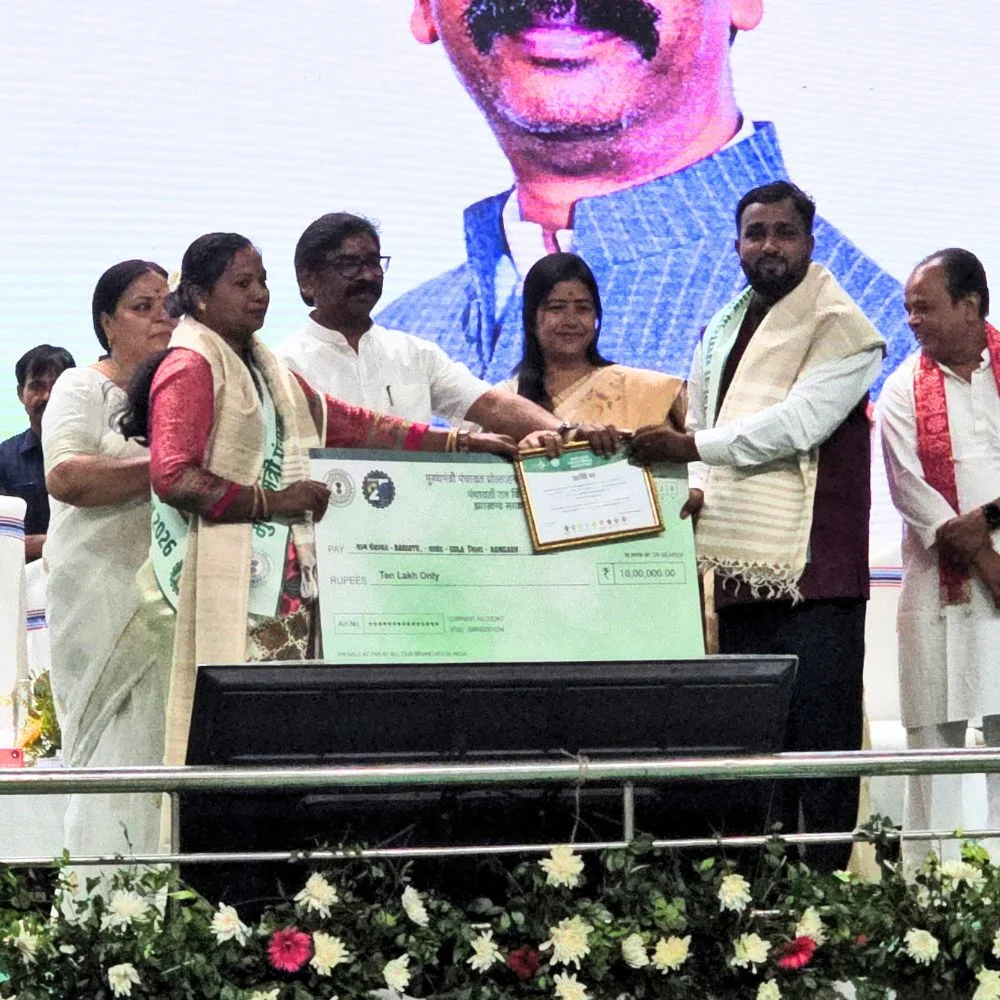
That curiosity eventually led me to pursue a Master’s in Social Work and begin working on women’s empowerment and livelihoods across Chhattisgarh. Along the way, I was fortunate to receive recognition for my work, including a district-level honour on Independence Day in 2021 and the Nari Shakti Samman in 2023. But it was when I joined Transform Rural India (TRI) in 2023 as an Associate Practitioner in Kanker district that many of my experiences began to come together in a new way.
At TRI, the work spans multiple themes including gender, agriculture, climate resilience, health, education and local governance. I also serve as a State Resource Person for Chhattisgarh, facilitating trainings on Community-Based Organisation governance, leadership and human resource management. The work is varied and demanding, but it constantly reminds me how deeply connected these issues are.
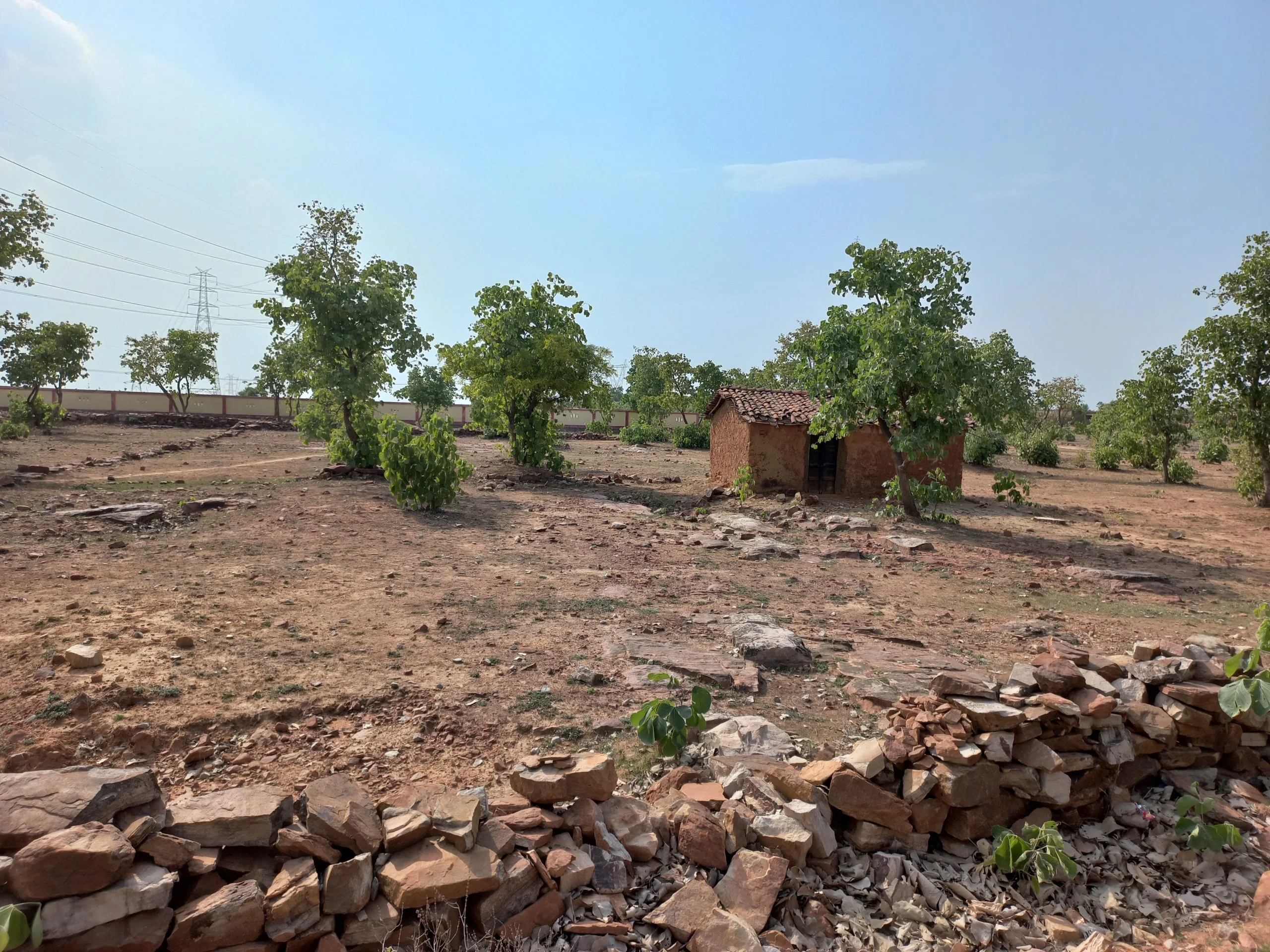
One of the most meaningful parts of my work has been supporting the Integrated Natural Resource Management initiative across 64 Gram Panchayats in Kanker. Working alongside the Panchayati Raj Department, MGNREGA and the National Rural Livelihoods Mission, we support communities to strengthen water conservation and develop water-related infrastructure.
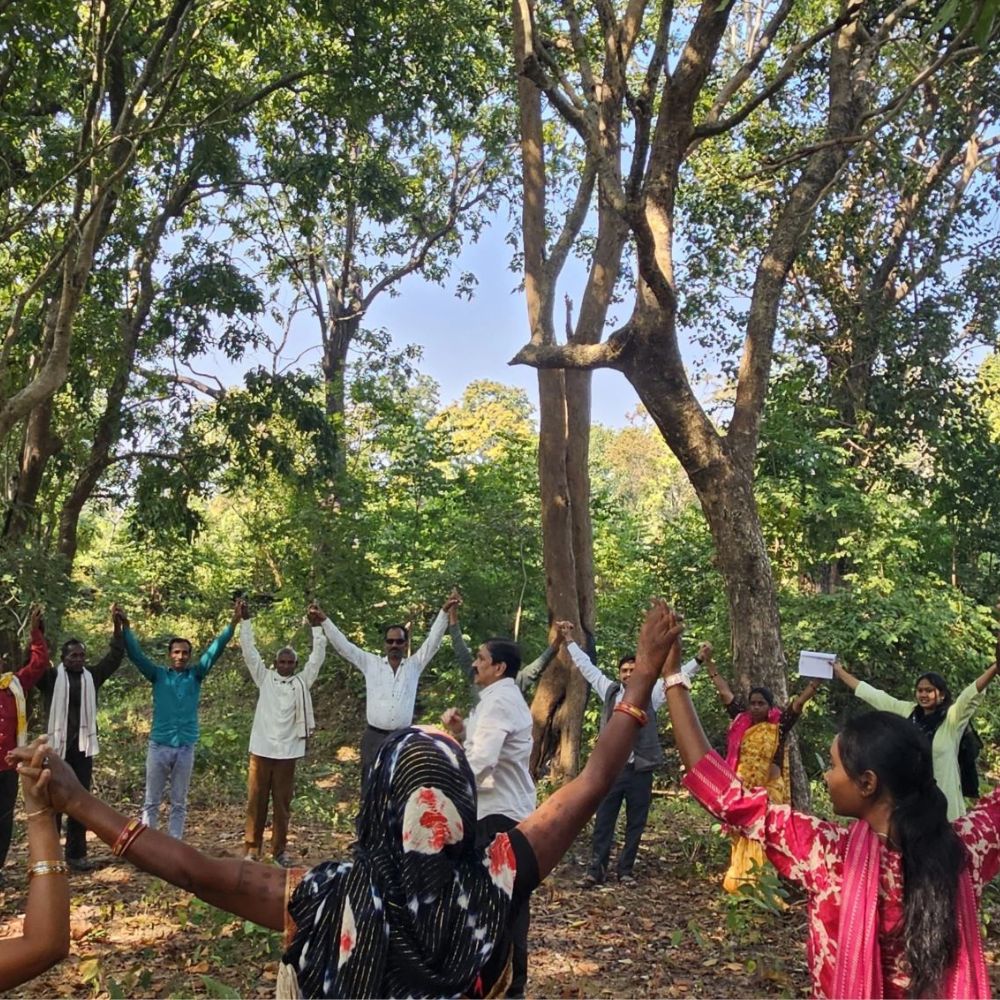
What I value most about this work is that communities lead the process. We do not arrive with ready-made solutions. Instead, people map their own resources, identify their own priorities and plan for their own future. Our role is to support and facilitate that process.
I remember one field visit vividly. We had been mapping GIS coordinates for a family and were preparing to leave when an elderly farmer came running after us. Breathless, he held out a crumpled hundred-rupee note, tears in his eyes. He wanted to thank us because he had learned that a farm pond would finally be created on his land.
I gently told him that no payment was needed. This was not a favour. It was his right.
For a moment, he looked surprised, almost uncertain. Then he smiled, folded the note back into his hand and waved us goodbye.
That moment has stayed with me. It reminded me that development is not only about infrastructure or schemes. It is also about helping people recognise and claim what they are entitled to.
What began as work on the ground later contributed to the “Mor Gaon, Mor Paani” campaign, an initiative that has since found reflection in state policy across Chhattisgarh. Knowing that conversations held in villages could contribute to change at that scale remains one of the most humbling parts of my journey.
Alongside natural resource management, I work across several other thematic areas. On gender, I engage with families and communities to open conversations that are often left unspoken. On agriculture and livelihoods, I work with women to strengthen existing knowledge and connect it to new opportunities. On health and education, I collaborate with local institutions to understand gaps and identify ways to address them. Through local governance initiatives, I support Community-Based Organisations to function with greater accountability, transparency and member ownership.
What I value most about TRI’s approach is that it does not treat these issues as separate. Real life does not happen in silos, and neither does meaningful change.
The women I work alongside have been some of my greatest teachers.
I often think about something a woman shared during a focus group discussion under the Neighbourhoods of Care initiative. When asked whether families treated boys and girls differently, she responded simply:
“It hurts just as much to give birth to a son as it does a daughter, so why should we discriminate?”
There was no speech and no performance. Just a simple truth expressed with remarkable clarity.
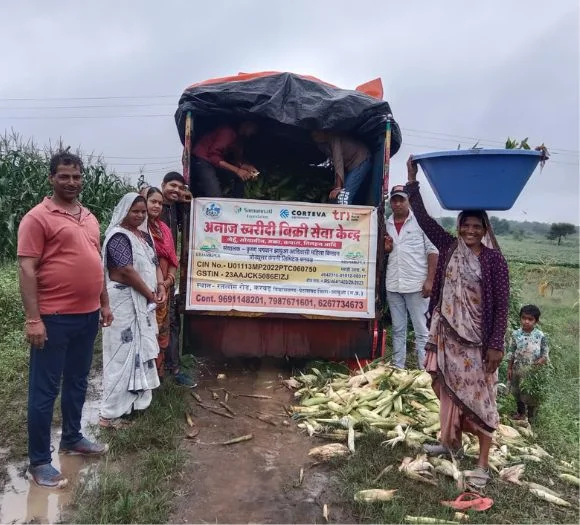
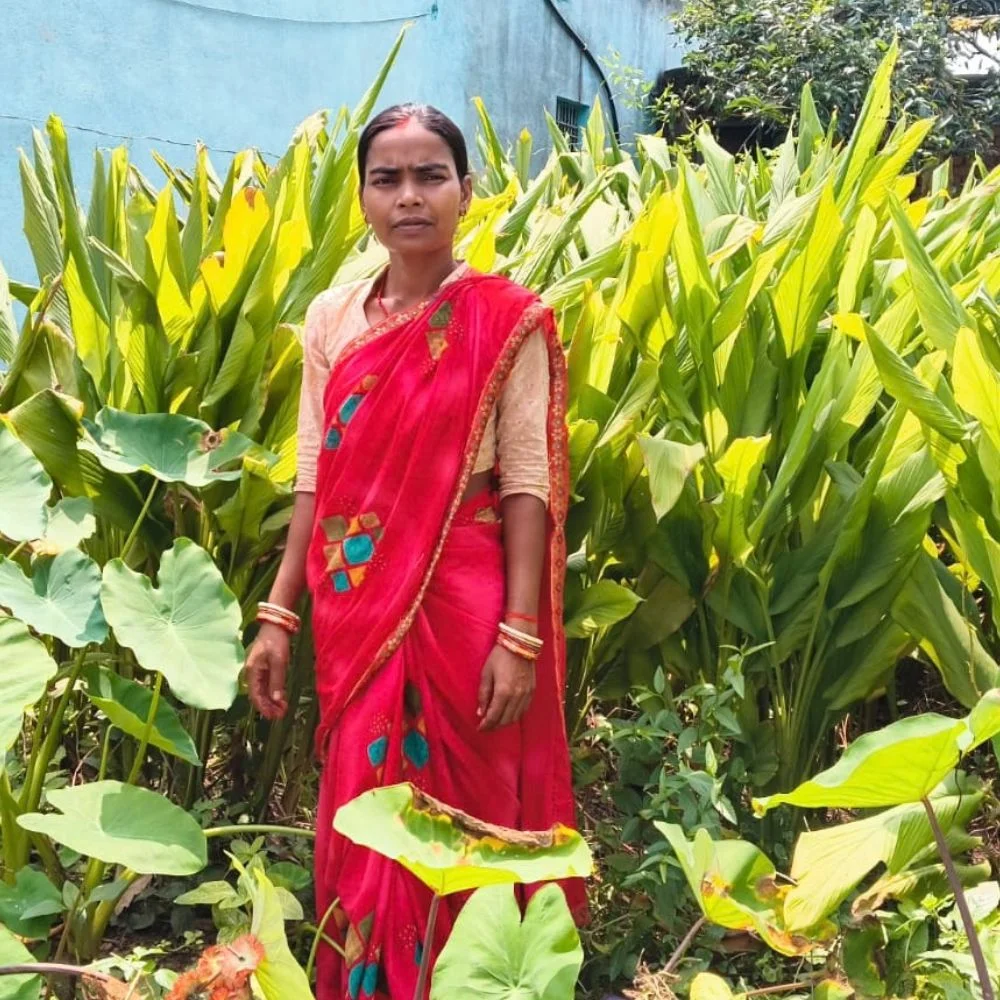
I encounter that same clarity in women across Kanker. They begin their days before sunrise, manage households, work in fields and enterprises, care for their families and still find the time to participate in community meetings and collective action. Their leadership is often invisible to the outside world, but it shapes communities every day.
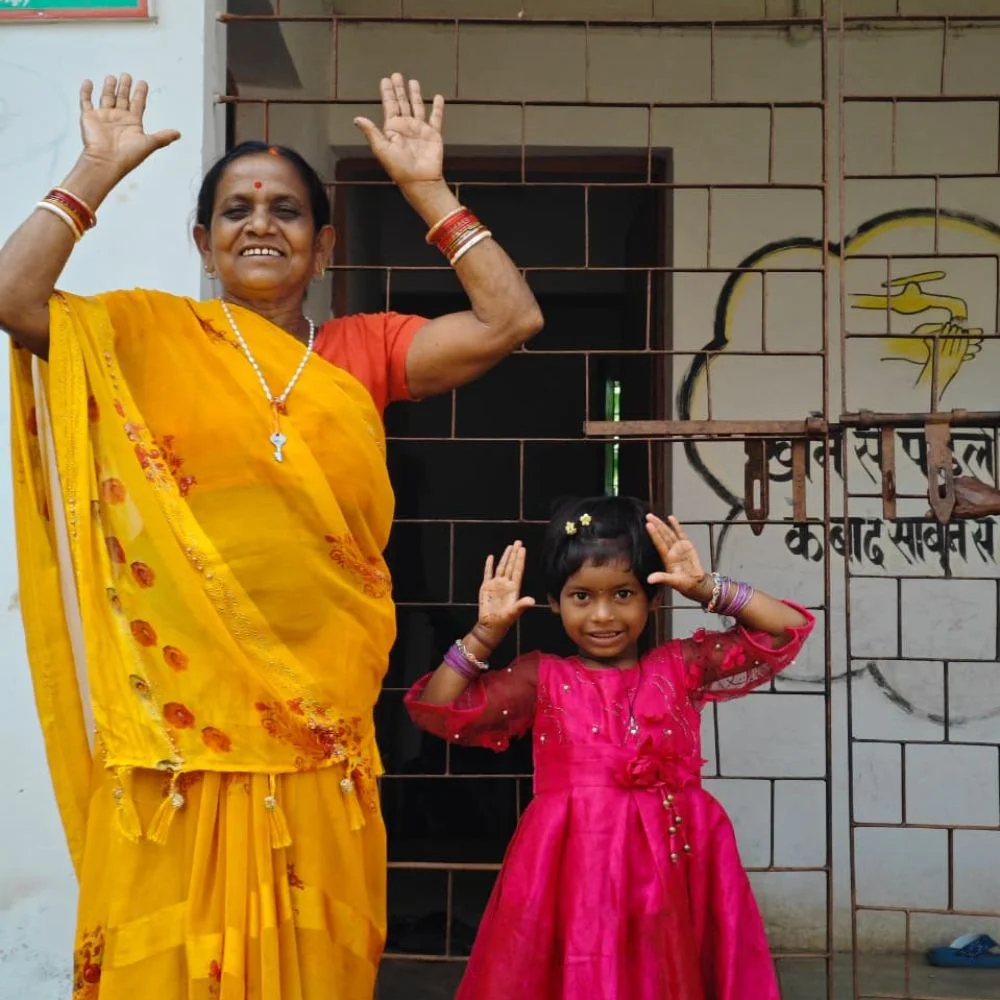
What inspires me most is not only their resilience but also their generosity, the care they extend to their families, neighbours and one another. They lead without titles and teach through example.
My journey at TRI has taught me that equity matters more than equality, that empathy is not a soft skill but a necessity and that some of the most powerful solutions already exist within communities. Sometimes, all they need is the space and recognition to emerge.
I am still learning every day and perhaps that is exactly how this work is meant to be.