A road that could not wait
The road from Machhaliya Pura to Bhorkuwa in Madhya Pradesh was in poor condition, yet it was the only route to the health centre. A woman carrying her child had once fallen on it. When Kanchan Chauhan’s pregnant daughter went into labour, the 108 ambulance could not reach their hamlet, and the family had to take her to Bhorkuwa by motorcycle. On the way, the baby’s heartbeat stopped. The child could not be saved.
“My daughter was in labour and the fact that the vehicle could not reach our neighbourhood made the situation even more difficult. It was an extremely painful experience for me,” Chauhan said.
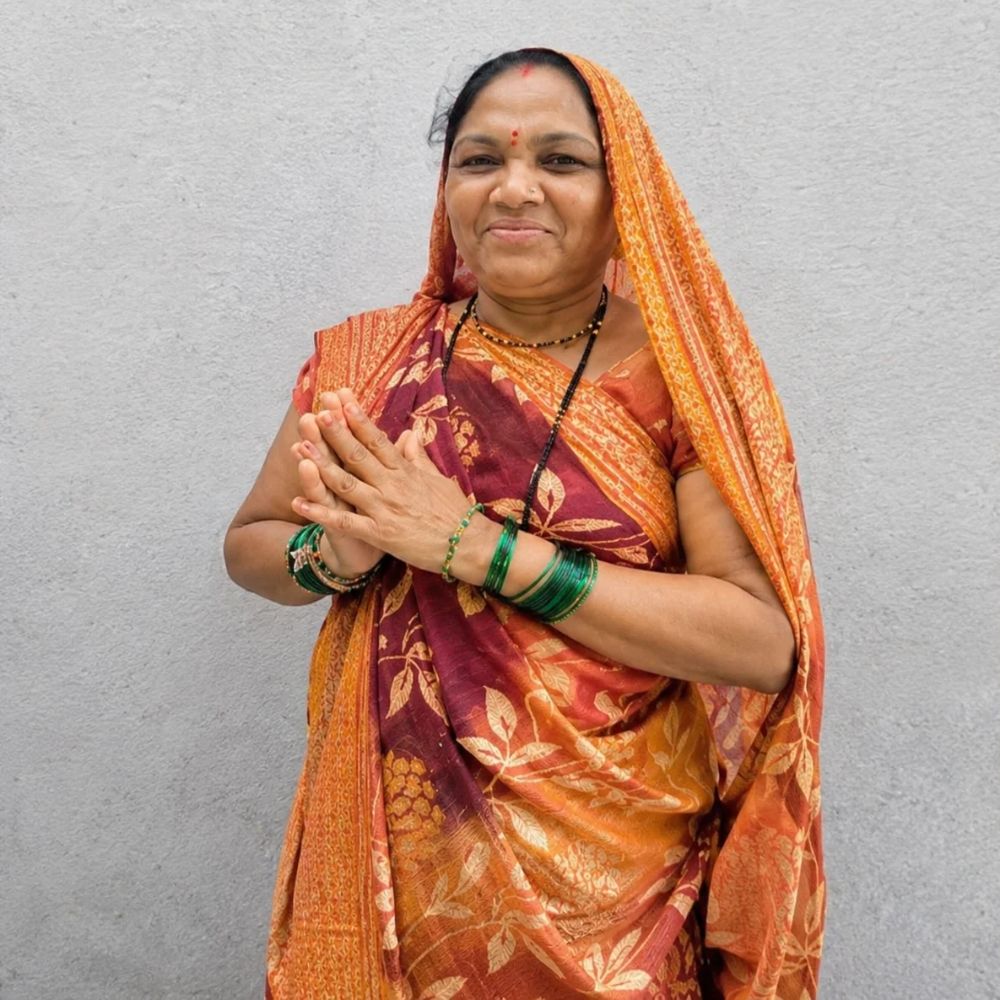
It was a loss that would stay with her, and one that would shape the kind of leader she became. Chauhan became sarpanch of Gram Panchayat Chitawal in 2022 with little experience of public life. Her days had revolved around farming and her household, and she knew little about panchayat affairs or what the post demanded. When development work in the village stalled, residents first urged her husband to contest the election. Once the seat was reserved for a woman, they turned to her. Her husband encouraged her: “You should contest the election and see what you can do. The work that has not been done for so many years needs to be completed.”
She was frightened at first. She feared speaking before influential people and handling those who sometimes came to the panchayat after drinking. In her early days in office, villagers addressed her husband rather than her. He understood the panchayat’s work better, while she was still learning her rights and responsibilities.
The road changed that. It made her see that if such problems were to be addressed, she would have to take responsibility for them herself.
Learning to lead
Training programmes helped Chauhan understand panchayat processes and find her voice in meetings. She joined a network of women sarpanches that meets every 15 days, and hearing women from other panchayats showed her what was possible. She especially admired the sarpanch from Devla for the confidence with which she spoke. “Today, I can,” Chauhan said.
Transform Rural India (TRI) has supported this journey through its local governance work with the Ministry of Panchayati Raj. TRI has helped shape Chauhan as a leader through training and capacity building, visits to other villages to learn good practices and information on relevant government schemes and how to use them for village development. This has given her the skills, knowledge and confidence to guide her community and lead its development.
The change shows in how she works. She no longer hesitates to admit what she does not know. “I do not have information about this,” she tells people, and then finds the answer. She attends meetings on her own, directs the panchayat secretary and speaks directly to government officials.
What has changed, and what comes next
Chauhan began with the most urgent need. She used her own money to have murram (red soil and gravel) laid in different hamlets. When some landowners objected and the road was delayed, she kept following up until it was built. Today, she said, the village has roads throughout and water reaches household taps every day. Residents have also received housing support and access to other government entitlements.
Women now come to her directly, at the panchayat or at home. When one woman sought help because her husband beat her after drinking, Chauhan called them both in and counselled them. She also brings neighbours together to resolve water problems, disputes and family matters.
At Gram Sabha meetings, she hears concerns about identity cards, food entitlements and other documents. If the panchayat secretary is absent, she calls him in and tells residents when to return. “The role of a Sarpanch is not to keep sending people away, but to help find a solution to their problems,” she said.
Her attention is now on what keeps women and girls far from home. She has submitted applications to extend the village school from Class 10 to Class 12 and to improve health facilities, since women currently travel to Julwania for deliveries. She also wants certificates prepared for three children of widowed women so they can continue their education.
Livelihoods are her next priority. Many women leave at about 7 a.m. in pickup vehicles for daily-wage work in Thikri, sometimes arriving only by 9. Some girls aged 12 to 14 travel out for work too. Limited schooling and the lack of safe transport, she said, leave them vulnerable and push girls out of school. “If villages have employment opportunities and basic facilities, women and children will not have to travel far for work or education,” she said.
“I never imagined that I would become a Sarpanch, but today I am very happy with who I have become,” Chauhan said. She hopes the work done during her tenure will be remembered long after she is gone.
In her first days in office, villagers spoke to her husband. Today, they come to her.