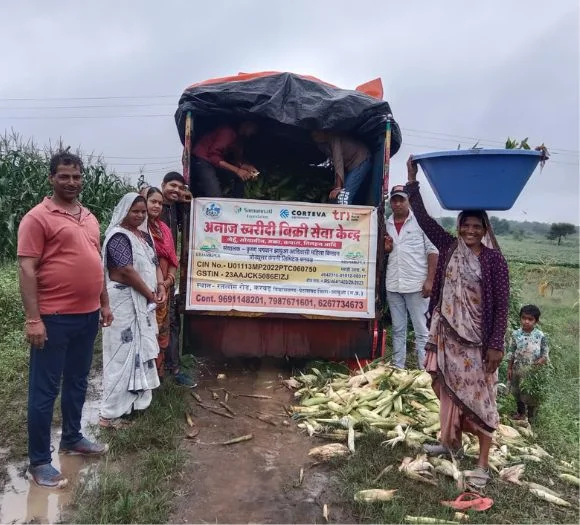
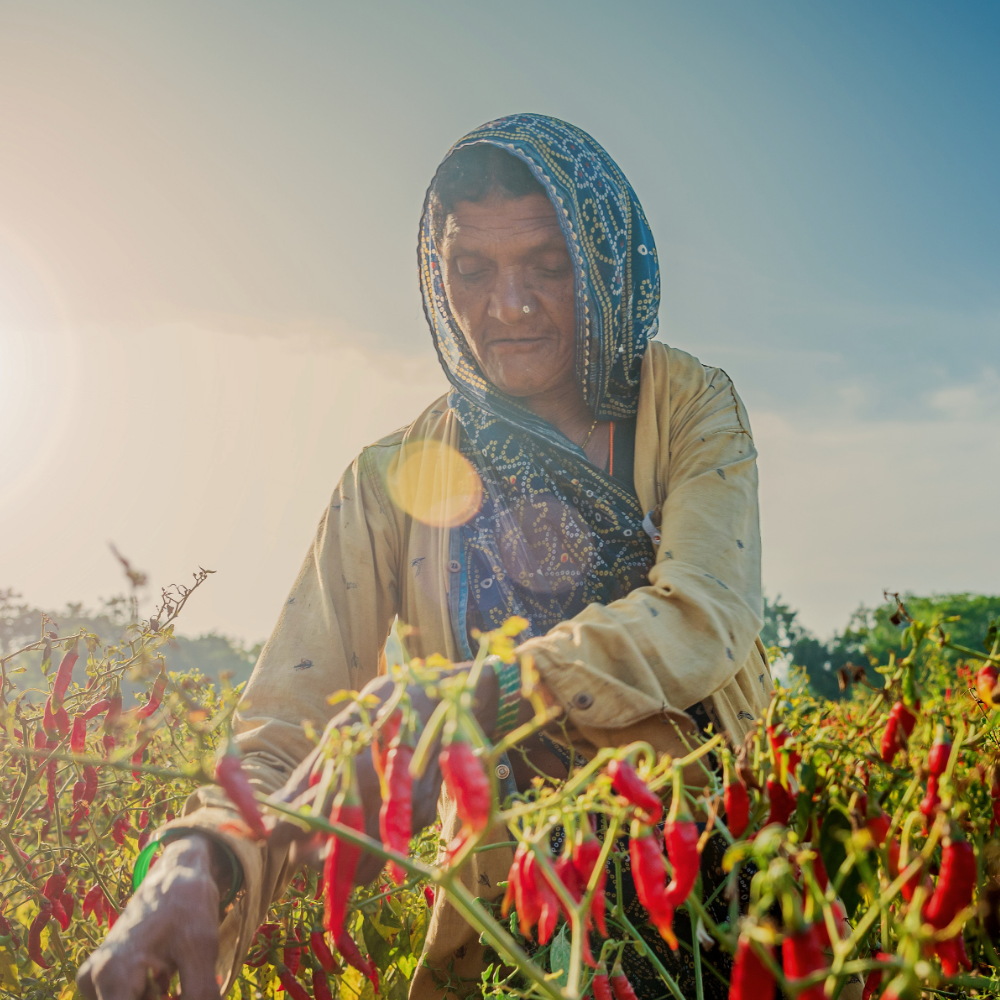
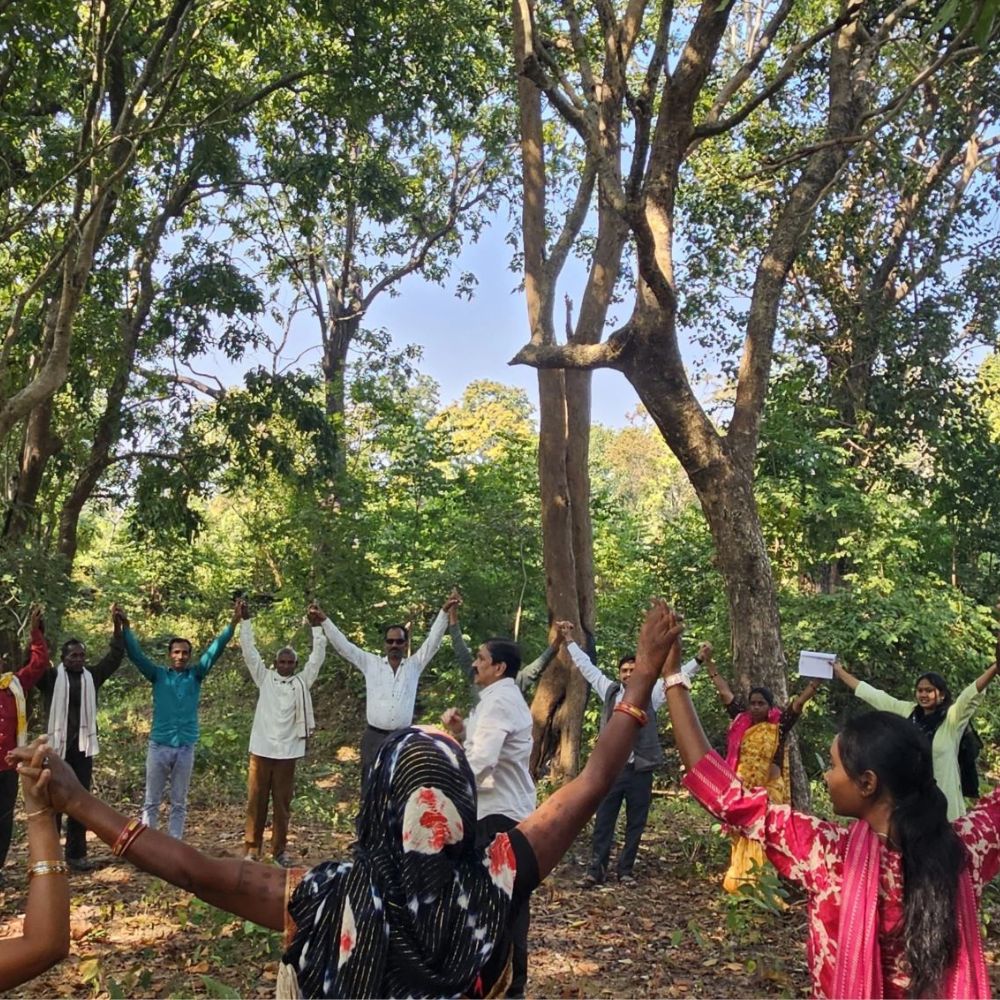
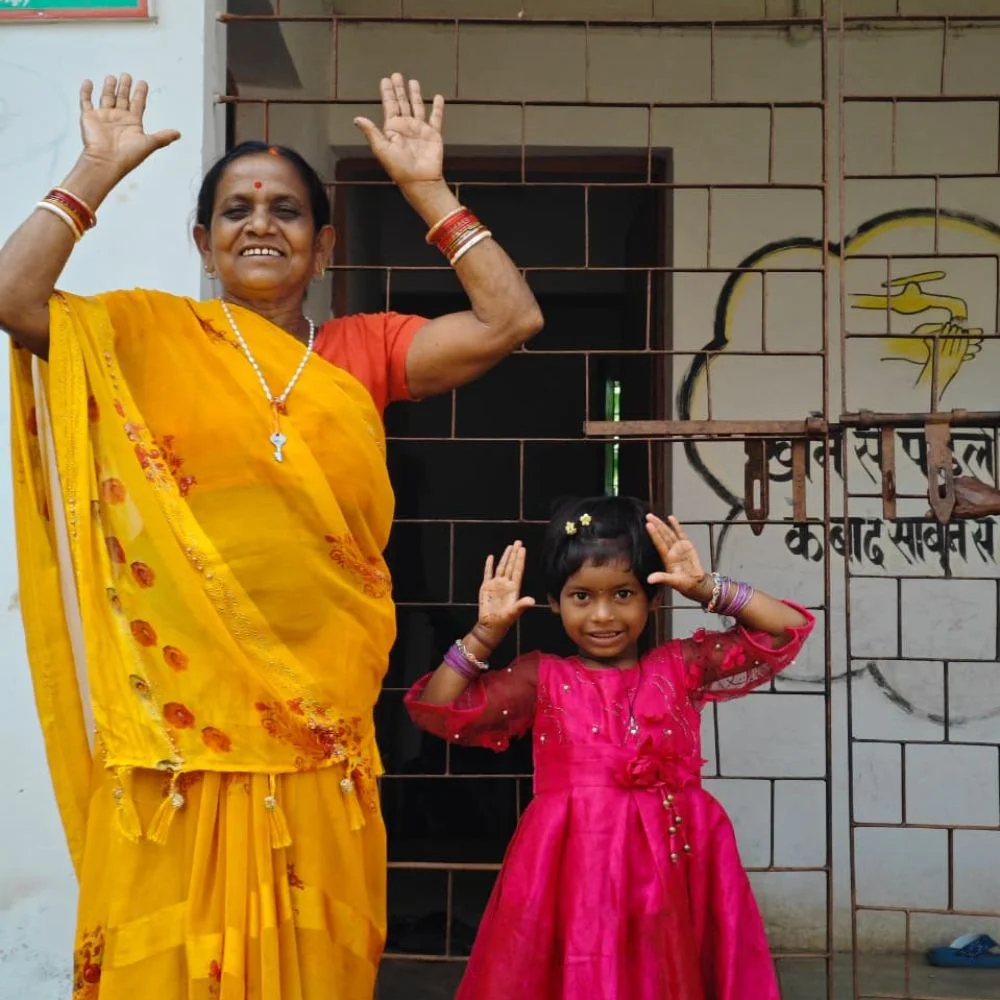
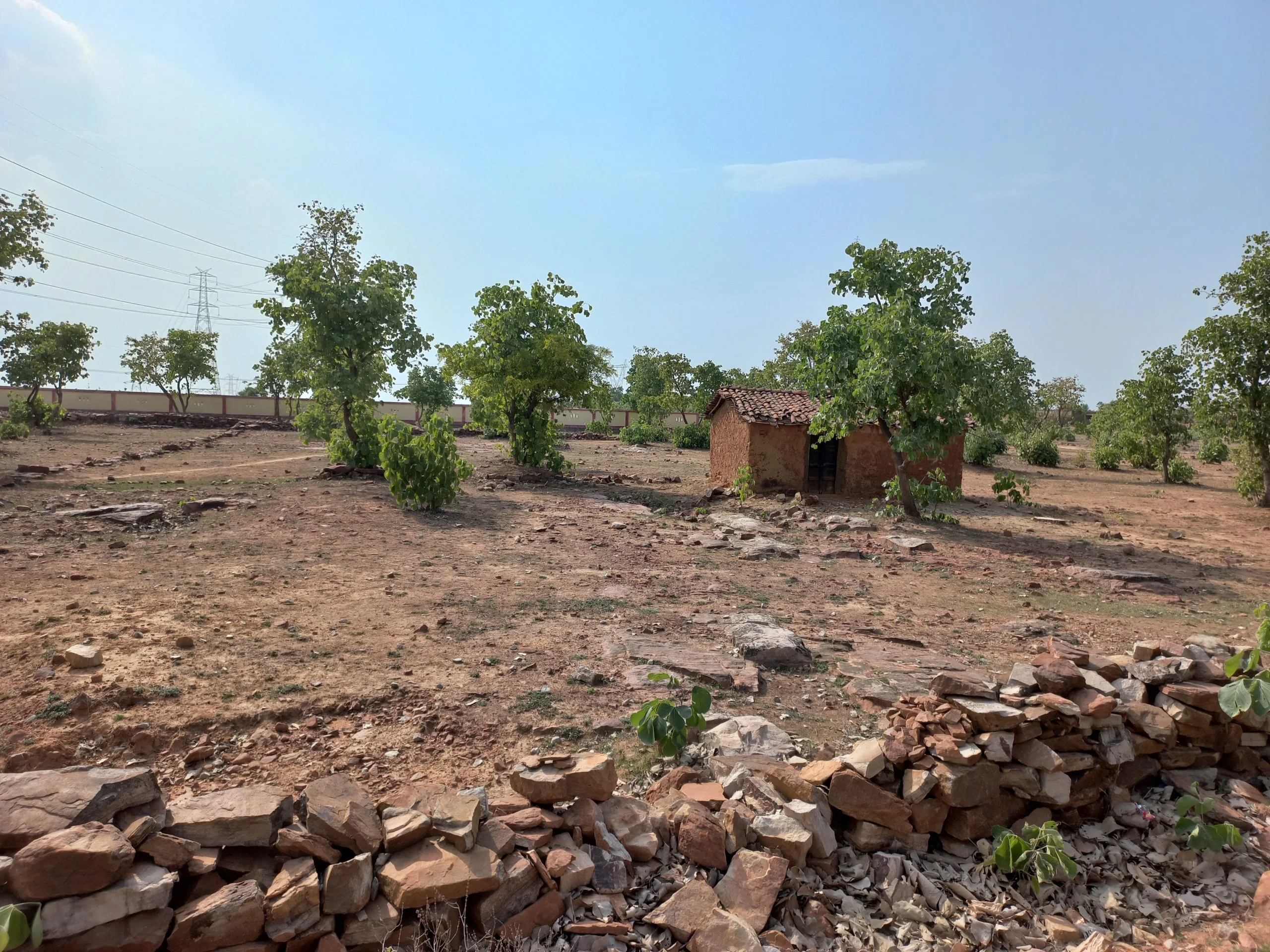
The first time we walked into Barchegondi, a hamlet tucked into the forested folds of Chhattisgarh, we were carrying a snapshot of the village map in our notebooks. It had the climatic trends, demographic details and a clean temperature legend. By the end of the day, we had stopped consulting it. The elders were reading a different map — one drawn in Mahua petals falling before the bees arrived, in the early arrival of the Loo, in the way the village pond now cracks open in February instead of May.
“The rain forgets its appointment,” Mahendra*, a community member, told us under a Mahua tree whose leaves had begun to curl weeks ahead of season. “हमर तरिया मन मा बारहों महीना पानी रहय। ए बार के पुस-माघ (जनवरी) मा घलो स्वेटर के जरूरत नई पड़िस। अब त घाम ह टिक जाथे, अउ बादर मन बखत मा नई आवंय—अउ आथें त अतेक बरोबर आथें कि सबो ला बोहा के ले जाथें।” (“Our ponds held water year-round. This January, we never reached for a sweater. Now the heat stays, and the clouds are late — or they come all at once, and leave again.” )
We — planners, policymakers, even well-meaning development practitioners — have been trained to read heat through a physiological lens. A red thermometer. A labourer splashing water on his face. Mortality counts in districts. Crop-yield percentages. This thermal myopia frames heat as an event: something that arrives, peaks, and passes. But in rural India, heat is no longer an event. It is a state. And it is doing its deepest damage not on human skin, but on the invisible hydro-ecological scaffolding that has, for centuries, sustained the Samaj and the Bazaar.
Consider what systemic heat actually breaks. It breaks the choreography between monsoon winds and flowering cycles. It breaks the relationship between forest canopy, groundwater recharge, and pond permanence. It breaks the Nakshatra-timed agricultural calendar that elders once sang as reliably as lullabies. The loss is not a single harvest — it is a covenant between a people and their landscape.
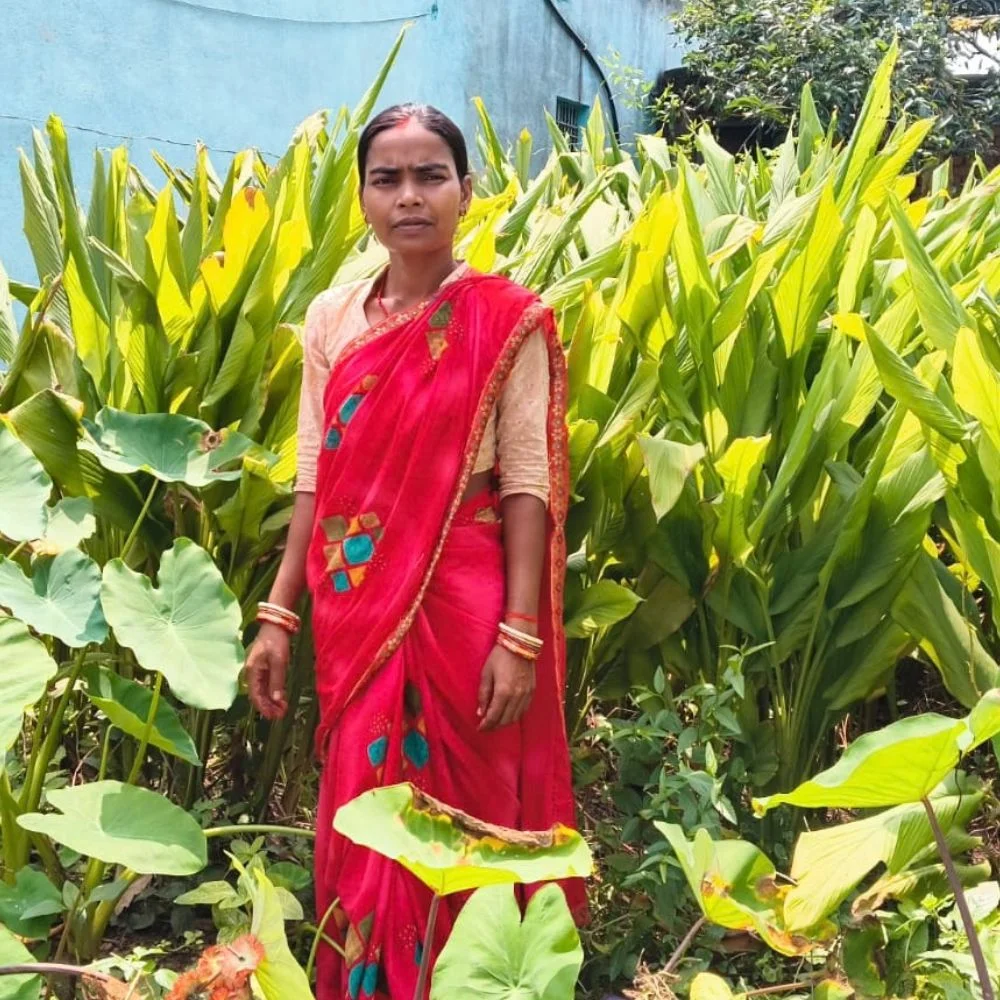
This is why our vocabulary of “Heat Waves” is inadequate. A wave recedes. What Barchegondi is experiencing is closer to what climate scholars call Non-Economic Loss and Damage — and what the villagers themselves might call a kind of ecological mourning. When the pond that hosted the village’s rituals turns to dust, families do not just lose water; they lose a location of meaning. Solastalgia — the ache of watching your home-landscape transform while you still stand in it — is now a rural epidemic. In Sondwa, Revati* didi put it in words we have not been able to shake since: “अब तो हवा भी हवा जैसी नही लगती” — even the wind no longer feels like the wind. It is a sentence that does not translate cleanly, because what it names is not a meteorological observation but a quiet unmooring. When the air itself feels foreign, the self that was formed in relation to it begins to feel foreign too. Place-loss, lived long enough, becomes identity-loss. The youth of Dongargaon showed us this in a different register. Long before they board a bus to a city, they have already mentally left. The land has become thermally unproductive, and with it, unimaginable as a future.
The Bazaar tells the same story in another dialect. Rural markets were never just about cultivated grain; they rested on the commons — forests, pastures and wetlands that yielded wild tubers, greens, medicinal herbs, fodder, fish. Systemic heat is quietly dewatering these micro-habitats. As the “hidden market” of the commons shrinks, households slide toward processed, calorie-dense food from the formal market. A silent nutritional transition is underway, disguised as a climate story.
And yet, Heat Action Plans have gained traction in urban India in a way they are only beginning to in rural contexts. The Urban Heat Island has become a familiar phrase in planning circles — shorthand for a problem that is visible, measurable, and therefore fundable. Systemic heat in villages has no equivalent phrase yet, and no equivalent traction. Cooling shelters near bus stops, advisories for construction workers, hydration kiosks in municipal wards — these are real achievements, and they matter. The question is not whether cities should have less of this attention, but why the pastoralist reading the wind, or the tribal woman tracking the retreat of a spring, has not yet entered the same planning vocabulary.
What we need is epistemological justice: the recognition that the forest-dweller, the herder, the water-carrier hold sophisticated, place-specific cooling vocabularies developed over millennia. A rural heat framework must begin where they begin — with decadal landscape memory, sacred groves, grazing corridors, oral histories — and let elders, women, youth and the landless co-author its priorities.
Thermal justice, in the end, is less about lowering a number on a thermometer than about restoring a rhythm. It asks a quieter, harder question: can the rain be helped to remember its appointment?
*names changed to protect privacy
This is the first article in a three-part series exploring extreme heat in rural India through field reflections, community experiences, and emerging evidence from the ground. In the next article, A Plan That Begins with a Memory, we explore how community memories of ecological change can become rigorous climate data, and the foundation for village-level Heat Action Plans rooted in lived experience.