
In Chatra district of Jharkhand, the challenge was not simply a lack of healthcare, but the inability of public systems to respond to the urgent needs of mining-affected communities with adequate quality and speed.
A coal mining district with over 10 lakh residents, most living in rural areas, Chatra’s health infrastructure has long been inadequate. As per 2018 estimates, the district and referral hospitals together had only about 60 beds, while Community Health Centres and Primary Health Centres struggled with shortages of doctors, staff, medicines and diagnostic facilities. For many families, even basic healthcare meant either costly private treatment or long journeys to better-equipped centres.
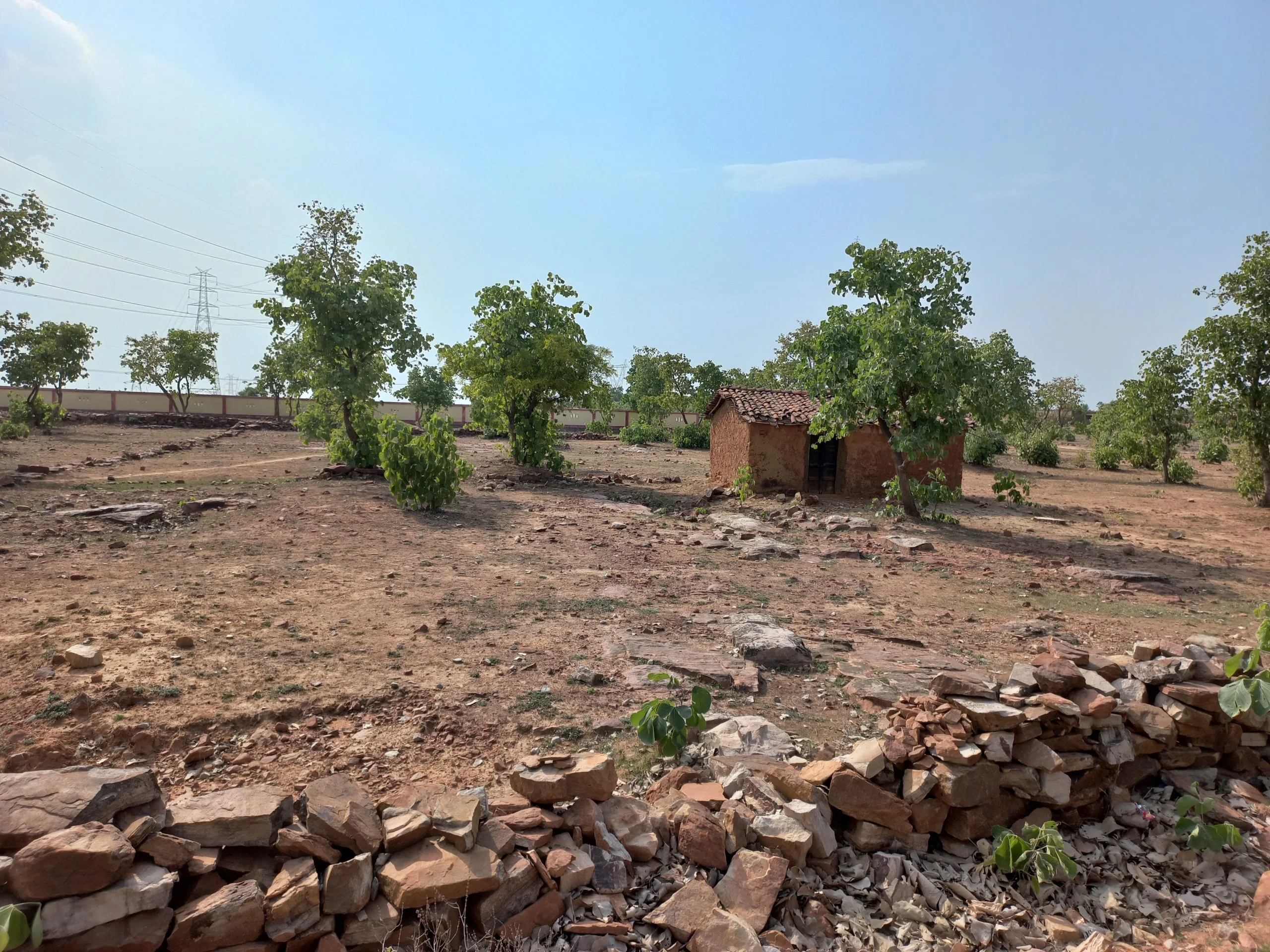
The crisis was particularly acute in Tandwa and Simaria. Tandwa is home to active coal mining, while Simaria functions as a key coal transport corridor. Both blocks face the dual burden of environmental exposure and weak public services, making access to affordable healthcare even more difficult. Chatra’s experience reveals a larger truth: funding alone does not create functioning public services. A hospital building without doctors, equipment, systems or community trust cannot meet everyday needs. The real question is not just whether resources exist, but whether they are planned and deployed in ways that reflect local realities.
Across India’s mineral-rich regions, a familiar paradox persists. Districts rich in coal, iron ore and bauxite often remain among the most deprived in health, education, livelihoods and ecological security, even as they generate enormous economic value. The communities closest to mining frequently bear the greatest social and environmental costs.
The District Mineral Foundation Trust (DMFT) was created to address this imbalance by directing mining revenues toward the welfare of affected communities. In states like Jharkhand, Chhattisgarh and Madhya Pradesh, it has created a significant pool of untied development funds. At the same time, India already has a democratic planning mechanism through the Gram Panchayat Development Plan (GPDP), supported in many places by community-led exercises such as the Village Poverty Reduction Plan (VPRP).
On paper, the synergy is clear: DMFT brings resources, GPDP brings democratic planning and Gram Sabhas bring legitimacy and lived experience. In practice, however, these systems often remain disconnected. DMFT planning is typically district-driven, with decisions made far from affected communities, resulting in fragmented or infrastructure-heavy spending with limited community ownership. Critical issues such as healthcare, livelihoods, water security and ecological restoration may be overlooked.
Chatra offered a different model. Instead of using DMFT for piecemeal spending, the district administration invested in strengthening rural healthcare by upgrading the Community Health Centre in Simaria into a model hospital aligned with Indian Public Health Standards.
What made this significant was the shift from asset creation to service delivery. The goal was not simply to renovate a building, but to create a functioning healthcare facility.
Transform Rural India (TRI) supported this effort as a technical and systems partner through a non-financial MoU with the district administration. It helped conduct a detailed gap assessment, covering infrastructure, staffing, equipment, service delivery and operational systems, and supported the creation of a roadmap for the upgrade.
The intervention went beyond construction planning. TRI helped shape operational protocols, referral systems, staffing strategies and retention mechanisms for medical personnel, while participating in joint monitoring with district officials to address bottlenecks. In effect, it helped bridge the gap between available funding and effective implementation.
For local communities, the expected benefits are substantial: affordable healthcare closer to home, reduced dependence on private providers, better early diagnosis, and stronger maternal and child health services for mining-affected populations in Simaria and Tandwa.
Chatra demonstrates that outcomes improve when funds are tied to local needs, technical planning and institutional follow-through. But it also highlights unresolved challenges: retaining healthcare workers in rural areas, ensuring sustainability after external support ends, integrating with the wider health system, and deepening community participation.
This points to a larger lesson: public investments last only when embedded in local governance.
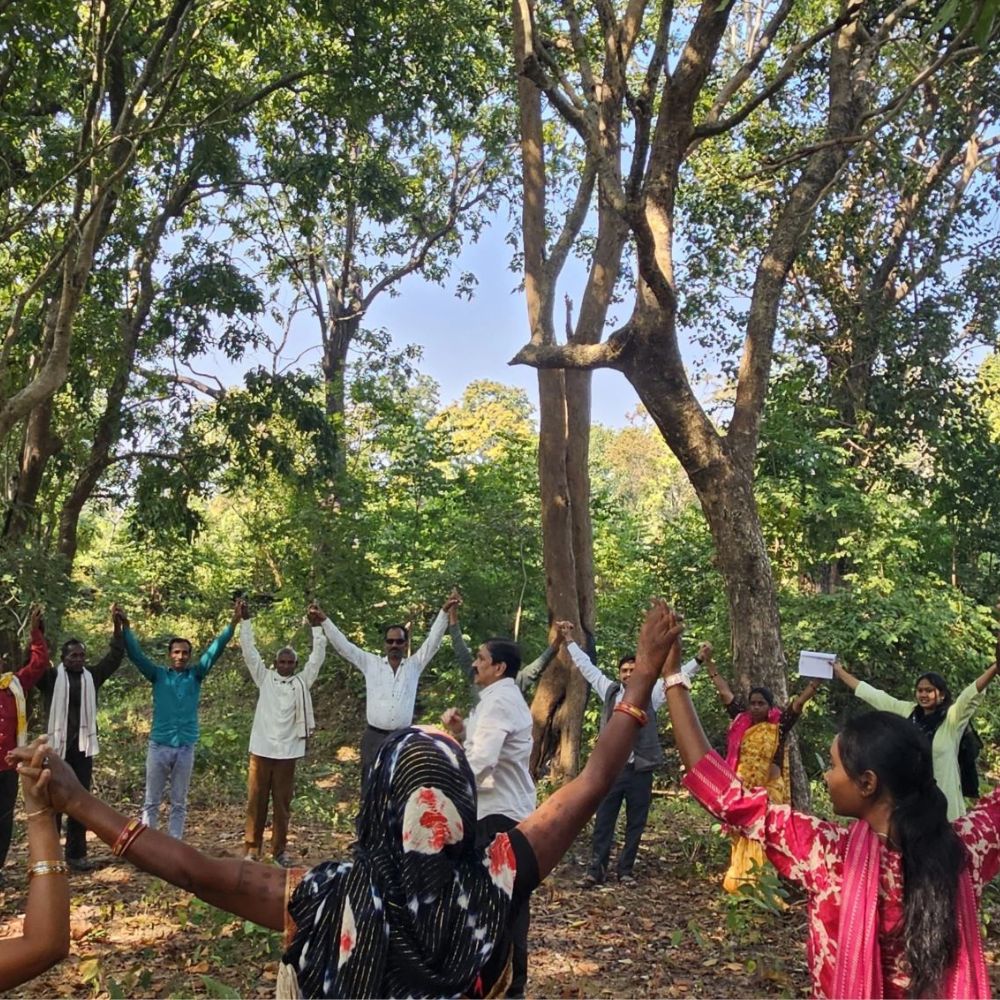
When Gram Sabhas identify priorities, planning begins with lived realities rather than administrative assumptions. In mining regions, these may include pollution-linked health concerns, poor water quality, disrupted livelihoods, unsafe transport routes and weakened public services. These are often missed in top-down planning, but are visible to communities every day.
A more democratic approach would allow Gram Sabhas to identify priorities, Gram Panchayats to integrate them into GPDPs, blocks to provide technical support, and districts to deploy DMFT resources accordingly. This shifts the central question from What can the district spend DMFT money on? to What have mining-affected communities prioritised, and how can DMFT support those needs?
For this to work, institutions need platforms to plan together. Panchayats, departments, frontline workers and community institutions often function in silos.
TRI’s locality compact approach offers one possible model by creating coordination platforms at Gram Panchayat and block levels, where elected representatives, self-help groups, community leaders and officials can jointly identify priorities, develop proposals and align schemes and resources.
This transforms GPDP from a paperwork exercise into a genuine planning instrument. In the context of DMFT, it also reframes mining-affected communities not as passive beneficiaries, but as active participants in governance.
The future of DMFT lies not in spending more, but in spending differently.
Planning should begin with Gram Sabha priorities, which must feed into GPDPs. Panchayats need technical support to convert community needs into viable proposals. District DMFT plans should align with these priorities while maintaining administrative rigor. Implementation must focus on outcomes, not just infrastructure, and communities should be involved in monitoring delivery and maintenance.
While contexts will vary across mining geographies, the principles remain consistent: start with community priorities, strengthen Panchayat-led planning, build coordination across institutions, and use DMFT as a catalyst for durable public systems.
DMFT is built on a simple but powerful idea: mineral wealth should benefit the people most affected by extraction.
Chatra shows both the potential and the unfinished agenda. Funds can strengthen public systems when paired with technical planning and institutional support, but long-term transformation depends on stronger local governance and community ownership.
As we celebrated the 33rd anniversary of the 73rd Constitutional Amendment Act on 24th April, this is the larger message: development in mining-affected regions cannot be built only from district offices or funding dashboards. It must be built with communities, through institutions rooted in their realities. DMFT can become a powerful instrument for just and accountable transformation, but only when money meets mandate – and when local democracy is placed at the centre of development.