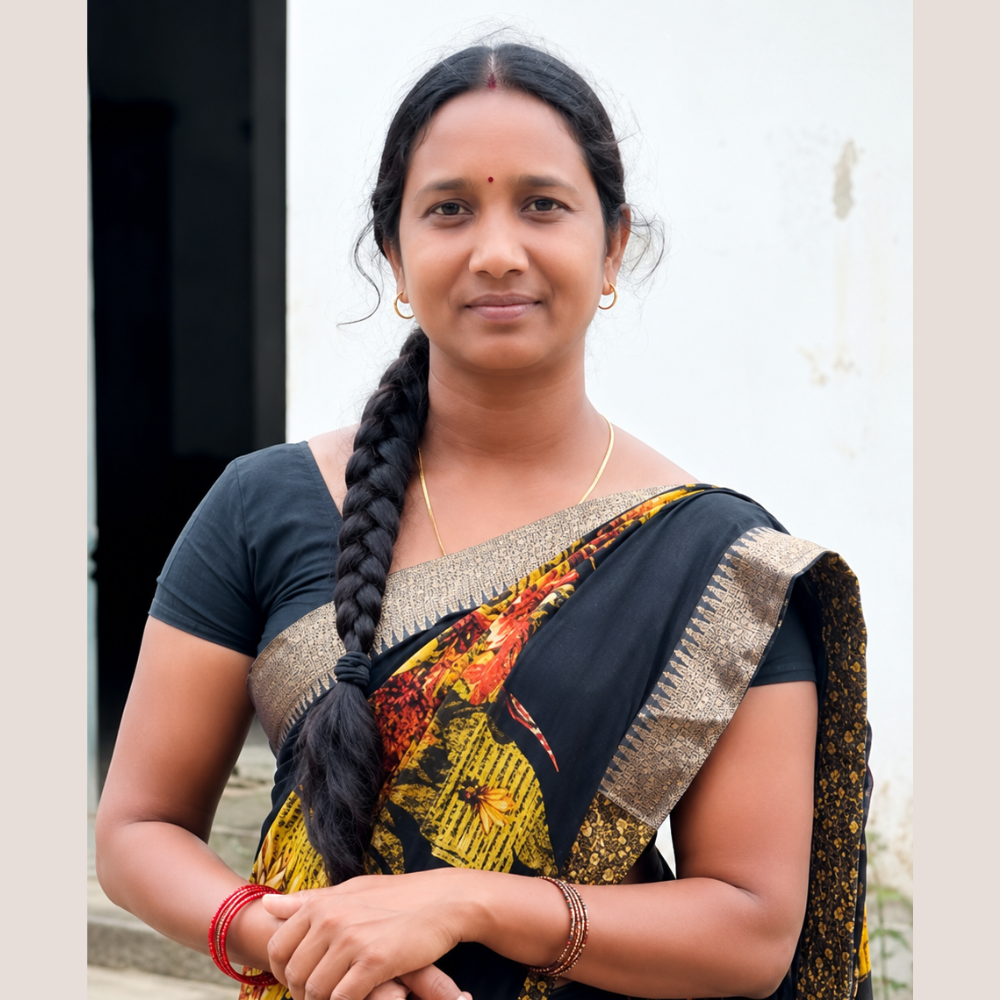
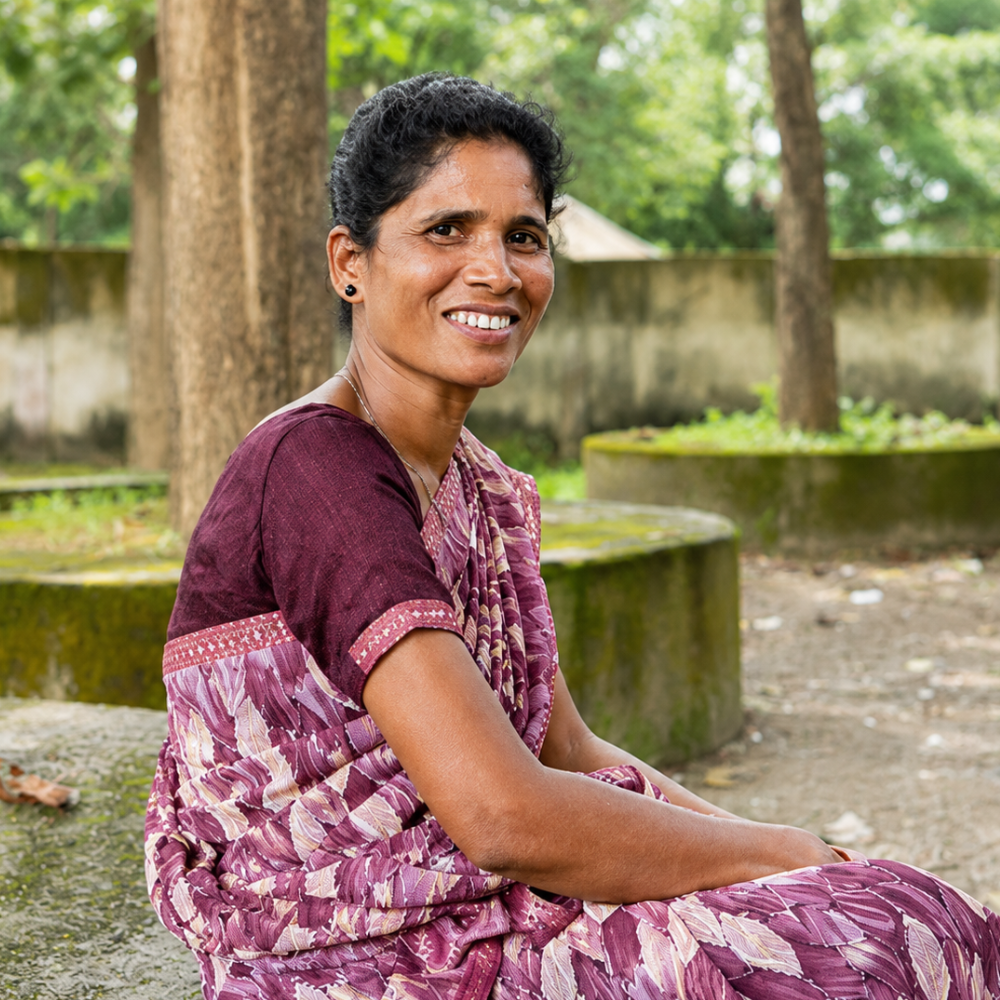
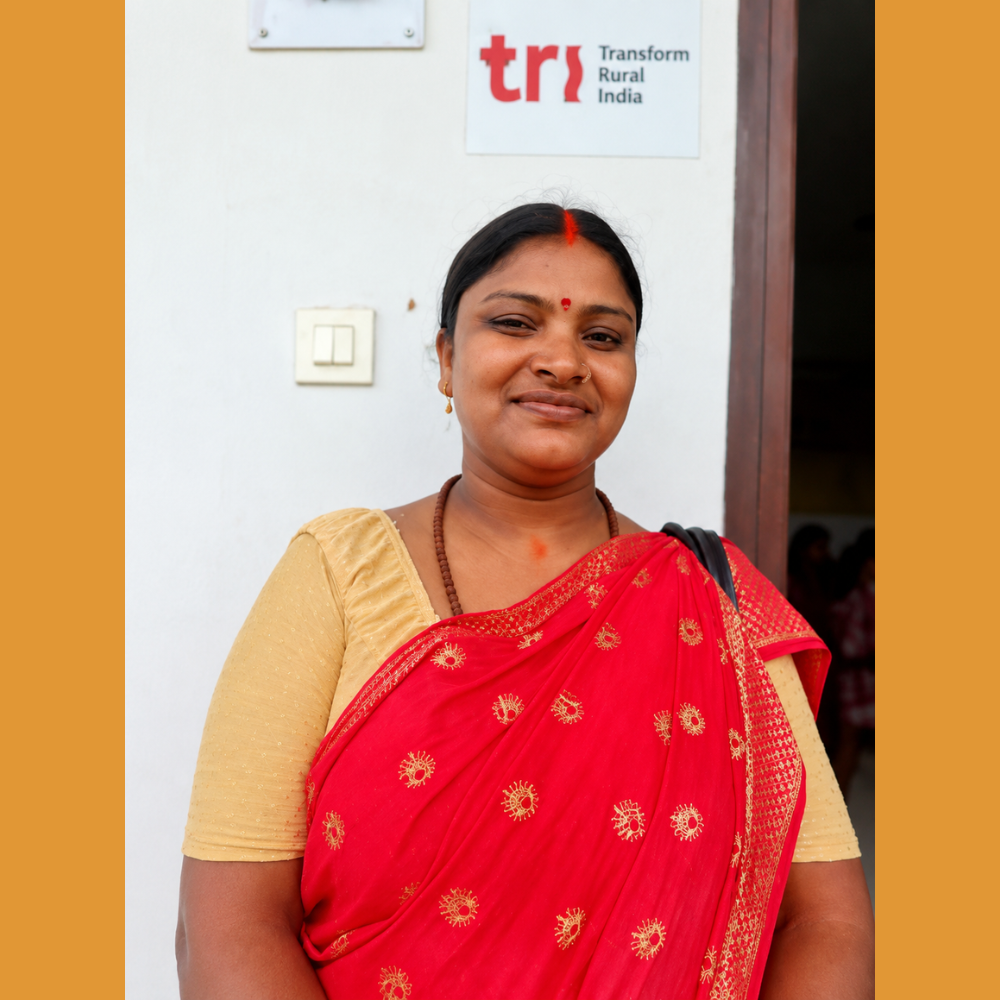
Gram Panchayat Nevta, in Kondagaon district of Chhattisgarh, is home to around 1,850 people across 325 households. A tribal-dominated, agriculture-dependent village, life here is closely tied to the rhythm of the monsoon. When the rains are timely, farming sustains households with some certainty. When they fail, the challenge is not only reduced agricultural output, but the growing difficulty of planning for the future.
Water scarcity in Nevta was not an abstract concern. It shaped what farmers could grow, when they could grow it and how much risk each agricultural season carried. With farming heavily dependent on rainfall, limited access to assured irrigation had long constrained both productivity and livelihood security.
In May 2023, Nevta was selected as an Integrated Natural Resource Management (INRM) Panchayat, with a focus on conserving water, land, and forest resources while strengthening sustainable livelihoods. As part of this process, a community meeting was organised bringing together Panchayat representatives, women from Self-Help Groups (SHGs), farmers, senior villagers and the Transform Rural India (TRI) team of development designers. The meeting created a space for the community to reflect on local resource challenges and identify solutions grounded in their own lived understanding of the land.
It was in that meeting that Urmila Thakur spoke up.
A farmer and resident of Nevta, Urmila came with a clear and practical idea. She proposed constructing a Dabri—a small water harvesting structure—on her agricultural land. Her reasoning was straightforward: if rainwater could be stored and used during critical crop stages, it would reduce dependence on erratic rainfall and improve agricultural outcomes. She also recognised the wider livelihood potential of the structure, including opportunities for fish farming and allied activities. Her clarity, confidence, and long-term thinking resonated with the community, and the Gram Panchayat approved her proposal under the INRM plan.
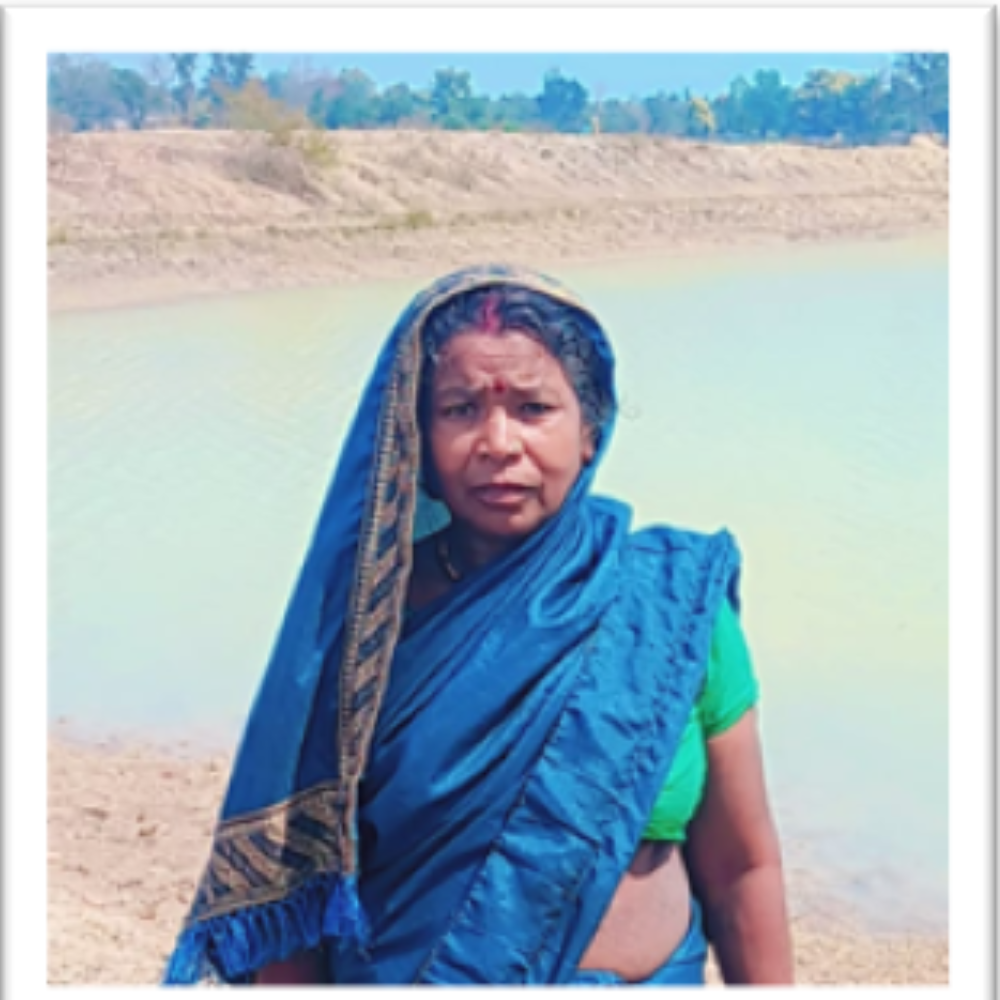
After nearly eighteen months of planning and sustained engagement, the Dabri was constructed in 2024. Measuring 35 feet by 35 feet, the structure was developed with technical guidance from the Transform Rural India (TRI) team and active community participation, designed to capture and store rainwater for use across seasons. But TRI’s role did not end with the construction of the asset. Through continuous handholding, technical advisory support, and guidance on sustainable agricultural practices, the team worked closely with Urmila to help translate the intervention into a viable and resilient livelihood opportunity.
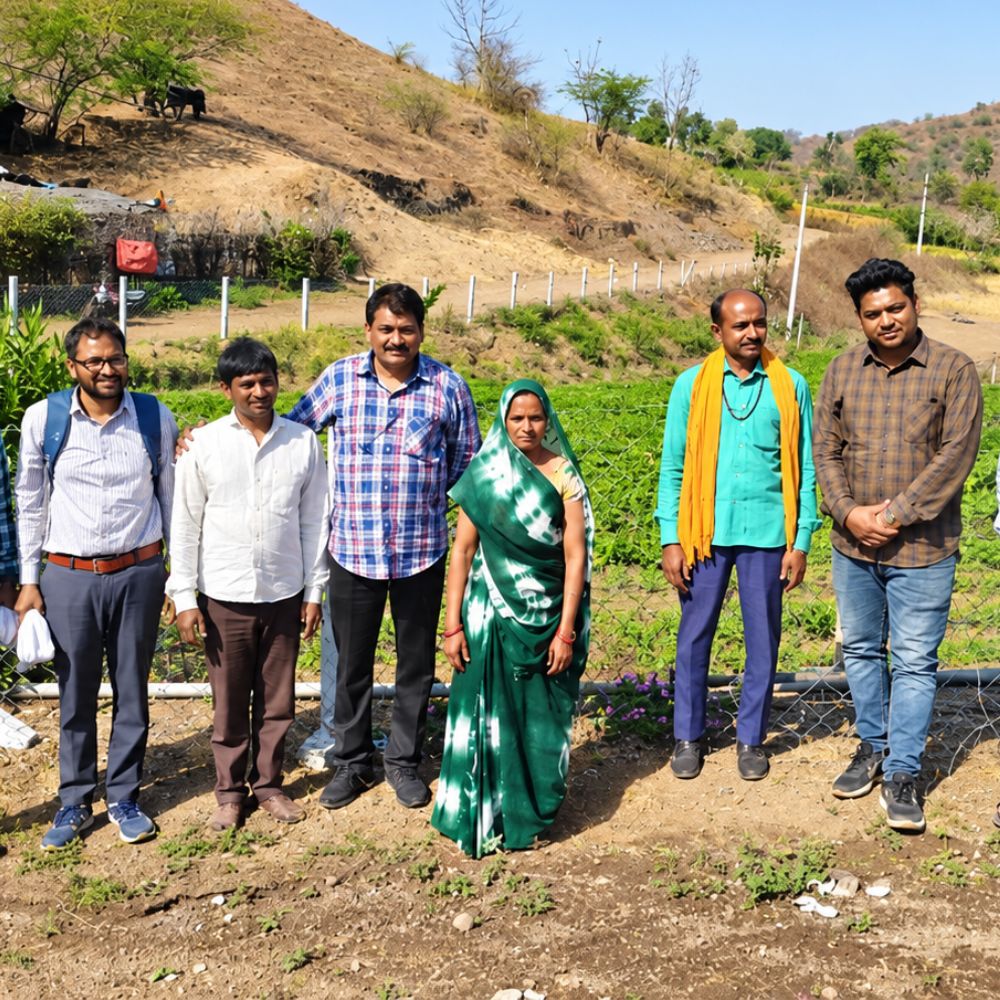
The impact soon became visible. With assured irrigation now available for her downstream agricultural land, Urmila began to see meaningful improvements in her farming. Supported by ongoing guidance on improved cultivation practices, crop planning, and sustainable resource use, she was able to increase crop yields and diversify cultivation in ways that had previously been difficult under rain-dependent conditions. TRI also supported her in exploring livelihood diversification beyond agriculture, which led to the introduction of fish farming in the Dabri, creating an additional and more regular source of household income.
Along the embankments, Urmila planted eucalyptus saplings, adding a longer-term livelihood asset to the intervention. What began as a single water conservation structure evolved into a more integrated and resilient livelihood model—one built not only on infrastructure, but on sustained knowledge support, local ownership, and confidence to adopt new practices.
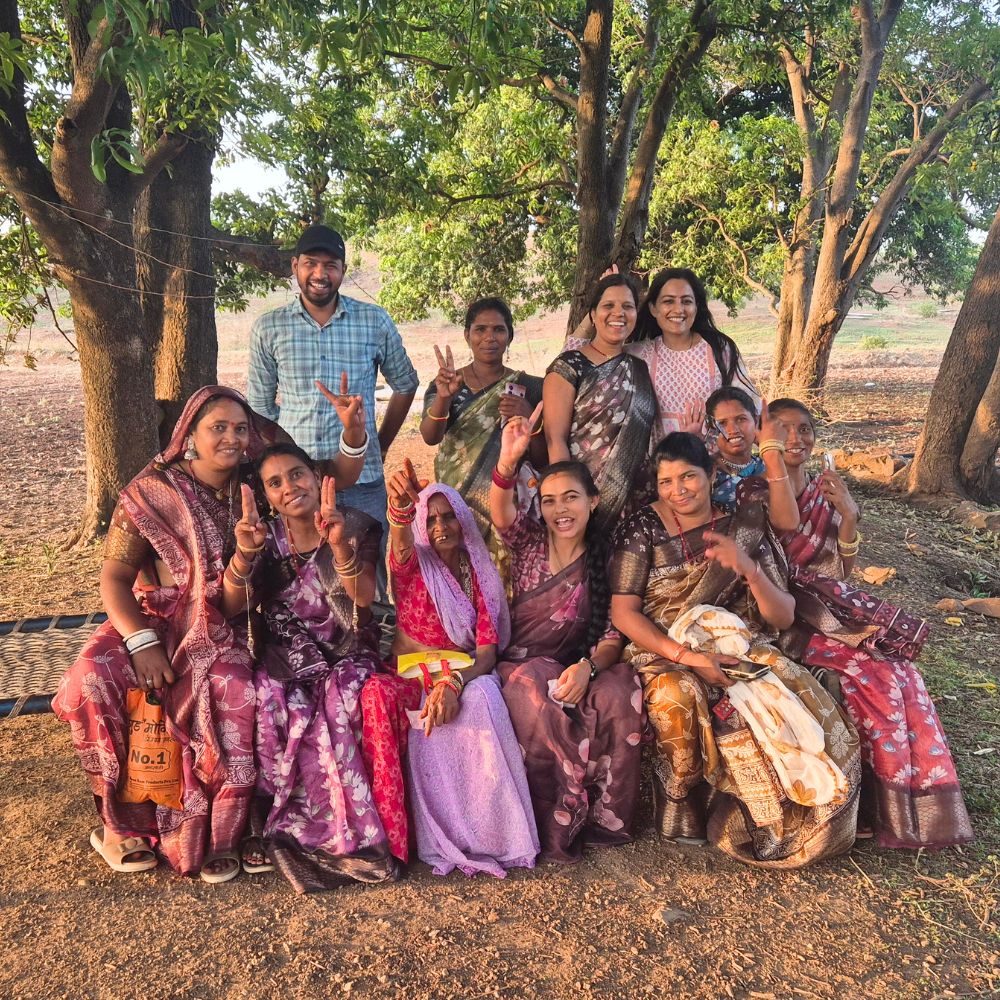
The changes in Urmila’s household soon began to influence the wider community. Farmers in Nevta observed what had shifted. Women began discussing similar possibilities in Self-Help Group meetings. Interest in water harvesting, livelihood diversification, and sustainable agriculture started to grow. In response, the Gram Panchayat began promoting Dabri construction and Integrated Natural Resource Management-based planning more actively across the village.
What began with one woman identifying a practical solution to a persistent challenge became a catalyst for wider community action. In Nevta, Urmila Thakur’s initiative demonstrates how locally rooted ideas, supported by community institutions and enabling facilitation, can strengthen resilience, expand livelihoods, and shape a more sustainable rural future.